Monday, May 22, 2024

How to Use an Exporters Directory to Vet New Suppliers
by
Published
Views:
Finding a supplier is usually fast. Proving that the supplier is credible takes longer, especially across industrial categories with different standards, lead times, and compliance risks.
That is where an exporters directory becomes useful. It is not just a contact list. Used well, it helps reveal whether a company deserves deeper review.
In practice, the best screening process starts with visible signals. Product scope, export history, certifications, target regions, and technical language often tell an early story.
For cross-sector sourcing, that story matters. A supplier serving EV components, irrigation controls, filtration systems, or precision tooling may look similar on the surface, yet differ sharply in capability.
A structured exporters directory review helps reduce that uncertainty before audits, samples, or commercial negotiation begin.
What can an exporters directory really tell you before first contact?
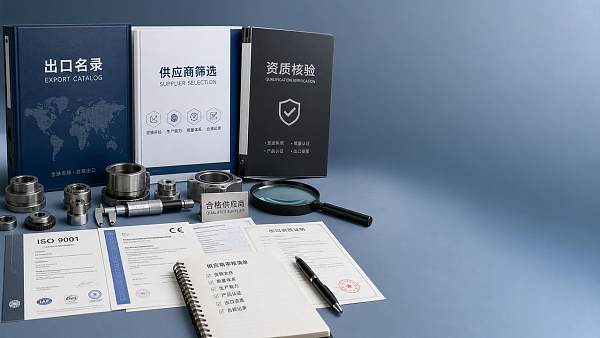
A good exporters directory gives more than names and phone numbers. It offers early evidence about fit, seriousness, and operational maturity.
The first value is comparability. When entries use a similar structure, it becomes easier to compare suppliers across product lines, manufacturing claims, and market focus.
The second value is pattern recognition. Repeated mentions of standards, export destinations, tooling capacity, or material grades often indicate whether a company understands industrial buyers.
This is especially important in environments where sectors overlap. Electronics can affect mobility, agriculture can depend on sensors, and infrastructure products may require both mechanical and environmental compliance.
Platforms shaped around technical benchmarking, such as GIM’s cross-sector intelligence approach, reflect this reality well. They help connect supplier claims to broader industrial context instead of viewing each category in isolation.
Still, an exporters directory is only the beginning. It does not replace verification. It helps decide who deserves time, questions, and a closer technical review.
Which directory fields matter most when vetting a new supplier?
Not every field carries the same weight. Some details are basic marketing. Others are useful screening signals.
A practical review usually focuses on the points below:
- Product specialization: broad catalogs can be helpful, but overly broad claims may signal weak process depth.
- Export markets: repeated exports to regulated regions often suggest stronger documentation habits.
- Certifications: ISO, IATF, IPC, RoHS, REACH, or sector-specific approvals should match the products listed.
- Manufacturing capability: machinery, tolerances, materials, test methods, and throughput data matter more than slogans.
- Business identity consistency: company name, location, product scope, and years in operation should align across records.
A useful exporters directory entry reads like a concise technical profile. It should show what the company actually makes, where it ships, and how it supports quality control.
If a listing says “global leader” but offers no standards, no process detail, and no market evidence, that is a weak signal.
By contrast, a modest listing with clear substrate types, assembly standards, or filtration performance ranges often deserves further attention.
A quick screening table helps separate promising entries
Before deeper outreach, it helps to classify what each exporters directory listing is actually telling you.
How do you tell whether a directory listing reflects real capability or polished marketing?
This is one of the most common concerns. An exporters directory can surface strong candidates, but it can also reward companies that present themselves well.
A useful test is consistency across details. Real capability usually leaves traces in many places, not just one polished paragraph.
Look for alignment between product claims and certification scope. If a company promotes automotive assemblies, IATF relevance should be clear. If it lists HDI boards, IPC language should appear naturally.
The same logic applies in agri-tech, environmental systems, and precision tooling. Technical depth should match the industrial reality of the category.
Another clue is operational specificity. Real manufacturers often mention material grades, inspection methods, line capacity, dimensional ranges, or application environments.
Marketing-heavy profiles tend to stay abstract. They promise quality, innovation, and customization, yet avoid numbers, standards, and process language.
In actual use, an exporters directory works best when paired with external checks. Company registry data, trade records, certification databases, and public technical references all strengthen the picture.
When is an exporters directory especially useful across complex industrial sectors?
Its value increases when sourcing decisions cross disciplines. Many modern products combine electronics, mechanics, software integration, and sustainability requirements.
That is why a simple supplier list is no longer enough. A better exporters directory helps users judge whether a supplier can operate inside a larger system.
Consider a few examples. An EV subsystem supplier may need electrical reliability, thermal management, traceability, and automotive quality discipline.
A smart agriculture device supplier may need rugged electronics, sensor calibration, outdoor sealing, and regional compliance knowledge.
An environmental infrastructure supplier may need membrane performance data, corrosion resistance, energy use benchmarks, and documentation around operating conditions.
In these cases, a directory becomes more valuable when it reflects benchmark thinking rather than generic company promotion.
This is where GIM’s broader industrial lens is relevant. Cross-sector transparency helps connect supplier claims to standards, performance expectations, and adjacent industry requirements.
That perspective makes the exporters directory more than a sourcing shortcut. It turns it into a structured pre-qualification tool.
What mistakes lead to poor supplier screening, even when the directory looks credible?
The biggest mistake is treating the exporters directory as proof rather than as a filter. A listing can support confidence, but it cannot replace verification.
Another common error is overvaluing volume and underweighting fit. A large exporter is not automatically the right match for a specialized industrial need.
Needle-moving details are often smaller. Batch traceability, process control, revision discipline, packaging standards, and test documentation can matter more than company size.
It is also risky to ignore the difference between traders and manufacturers. Both can appear in an exporters directory, and both may be useful, but the risk profile is different.
- Do not rely on one data point, even if the listing looks complete.
- Do not assume every certificate applies to the exact product under review.
- Do not skip questions about subcontracting, especially for critical components.
- Do not confuse export activity with stable production capacity.
A careful approach keeps the exporters directory in its proper role: an early-stage intelligence source, not the final verdict.
What should happen after you shortlist suppliers from an exporters directory?
Once a listing passes the first screen, the next step is not immediate selection. It is structured confirmation.
A practical follow-up process usually includes three layers. First, validate the company identity and certification scope. Second, confirm technical fit. Third, test responsiveness and evidence quality.
The outreach questions should be specific. Ask about process capability, inspection records, main export regions, recent comparable projects, and whether production is internal or outsourced.
If the answers stay vague, the exporters directory listing may have overstated readiness. If the answers become more precise, the listing has done its job well.
It also helps to score shortlisted suppliers against the same review sheet. That keeps decisions consistent when comparing very different product families.
For industrial organizations working across electronics, mobility, agri-tech, ESG infrastructure, and tooling, this disciplined sequence matters. It reduces the chance of selecting a supplier that looks capable but cannot support the required system performance.
In the end, an exporters directory is most valuable when it supports better questions. The stronger the questions, the lower the sourcing risk.
A final check before moving forward
If you use an exporters directory only to collect names, you miss most of its value. Its real advantage is early judgment.
Start by comparing technical clarity, standards relevance, export signals, and business consistency. Then move to direct verification with focused questions.
For complex sourcing, especially where sectors overlap, bring benchmark thinking into the review. That is often what separates a promising listing from a dependable supplier path.
The next practical step is simple: define the must-have criteria, build a shortlist from the exporters directory, and validate each claim in order of risk.

The Archive Newsletter
Critical industrial intelligence delivered every Tuesday. Peer-reviewed summaries of the week's most impactful logistics and market shifts.