Monday, May 22, 2024

Brent Crude Hits $98: CCUS & Smart Grid Project Costs Rise
by
Published
Views:
On April 30, 2026, Brent crude oil surged approximately 2% to $98 per barrel following a pipeline incident in Saudi Arabia. This price movement directly affects procurement costs for critical components in carbon capture technology and smart power grid projects—particularly relevant for manufacturers, system integrators, and EPC contractors operating in global energy infrastructure markets.
Event Overview
On April 30, 2026, Brent crude oil prices rose ~2% to $98/barrel, driven by a reported incident affecting Saudi Arabian oil transportation infrastructure. No further operational or geopolitical details have been officially confirmed beyond this price impact.
Industries Affected by Segment
Carbon Capture Equipment Manufacturers
Rising energy input costs increase the procurement expense of high-temperature alloys and corrosion-resistant valves—key materials used in carbon capture units. These components often require energy-intensive metallurgical processing; higher fossil fuel prices may compress margins on fixed-price contracts signed prior to the price shift.
Smart Power Grid System Integrators
Energy cost inflation affects the landed cost of battery energy storage systems (BESS) and high-voltage direct-connected synchronous condensers (e.g., Dongfang Electric’s new 35kV model). For overseas projects, elevated logistics and component sourcing costs may reduce competitive positioning in bid evaluations where total installed cost is weighted heavily.
Global EPC Contractors with Energy Infrastructure Portfolios
Contractors managing turnkey CCUS or grid modernization projects face dual pressure: upward revision of material cost estimates and potential delays in vendor quotations due to supply chain recalibration. Projects under negotiation or early mobilization phase are most exposed to unpriced energy-linked cost volatility.
What Enterprises and Practitioners Should Monitor & Act On
Track official updates from OPEC+ and IEA on supply restoration timelines
Analysis shows that sustained Brent levels above $95/barrel over multiple weeks would signal structural tightening—not just transient disruption. Monitoring official statements helps distinguish short-term noise from medium-term cost base shifts.
Review exposure in active procurement pipelines for alloy grades and valve specifications
Observably, suppliers of Inconel 625, Hastelloy C-276, and ANSI Class 900+ stainless steel valves have begun referencing energy surcharges in preliminary quotes. Cross-check current POs against latest supplier bulletins before finalizing orders.
Reassess pricing assumptions in pending international tenders—especially for BESS and HVDC ancillary equipment
From an industry perspective, tender submissions finalized after April 30 should incorporate at least a 1.5–2.0% energy-cost uplift factor for manufacturing, transport, and customs clearance. Avoid reliance on pre-April benchmark cost models without explicit variance clauses.
Engage with local partners in key markets (e.g., EU, ASEAN, GCC) to validate landed cost recalculations
Current more suitable understanding is that regional import duties, port handling fees, and local VAT structures may amplify upstream energy cost impacts unevenly. Early alignment with in-market agents helps avoid late-stage bid disqualification on cost non-compliance.
Editorial Perspective / Industry Observation
This event is best understood as a near-term cost signal—not yet a structural inflection point. Analysis shows it reflects acute supply-chain fragility rather than long-term oil market rebalancing. From an industry angle, its significance lies less in absolute price level and more in how quickly downstream clean energy hardware segments absorb or pass through energy-driven input cost changes. Continued monitoring is warranted because repeated spikes above $95/barrel could accelerate demand for localized, low-energy-intensity manufacturing alternatives—particularly for valve castings and thermal management subsystems.
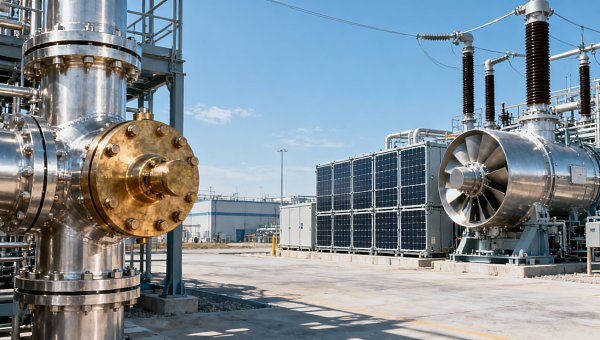
Conclusion: The $98 Brent milestone matters not as a standalone threshold, but as a stress test for cost resilience across decarbonization hardware supply chains. It highlights growing interdependence between fossil fuel volatility and clean energy project economics—making real-time energy price sensitivity a core competency for procurement, engineering, and commercial teams alike.
Source Disclosure: Primary data sourced from ICE Futures Europe settlement reports (April 30, 2026) and publicly disclosed incident notices from Saudi Aramco logistics channels. Ongoing assessment of downstream cost transmission remains subject to verification via Q2 2026 supplier pricing surveys and tender award disclosures.

The Archive Newsletter
Critical industrial intelligence delivered every Tuesday. Peer-reviewed summaries of the week's most impactful logistics and market shifts.