Monday, May 22, 2024

South Korea Extends Fuel Tax Cut to July 31, Boosting Smart Grid Export Window
by
Published
Views:
South Korea has extended its fuel tax reduction policy by two months through July 31, 2024, as part of a broader effort to ease inflationary pressure and stimulate domestic demand. While the exact announcement date remains unconfirmed, the extension directly impacts procurement timelines and budget execution for smart power grid modernization—creating a time-sensitive opportunity for qualified exporters, particularly from China.
Event Overview
The South Korean government announced an extension of the fuel tax exemption period to July 31, 2024. This measure is intended to mitigate cost-of-living pressures and support household and industrial energy affordability. The policy shift coincides with increased budget allocation and accelerated tendering activity for smart grid infrastructure under Korea Electric Power Corporation (KEPCO)’s second-quarter supplementary procurement rounds.
Industries Affected
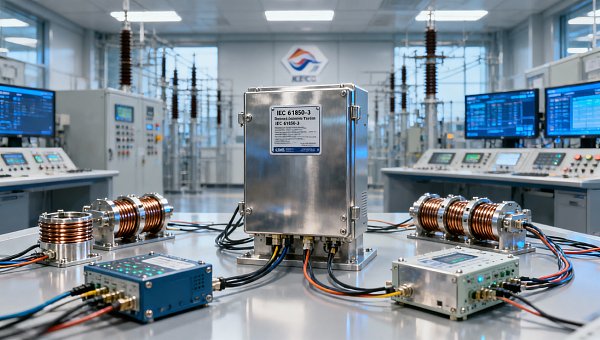
Direct Exporters: Companies exporting Smart Power Grids equipment—including distribution automation terminals, Advanced Metering Infrastructure (AMI) systems, and Energy Management System (EMS) controllers—to South Korea face an expanded commercial window. The tax relief improves KEPCO’s fiscal flexibility, raising the likelihood of faster contract awarding and payment processing. Exporters holding both IEC 61850-3 and KEMA certifications are currently prioritized in ongoing KEPCO tenders.
Raw Material Suppliers: Firms supplying certified components—such as hardened communication modules, precision current sensors, or UL/IEC-compliant battery cells—may see short-term order uplift. However, this depends on whether export-oriented manufacturers scale up pre-shipment production ahead of the July 31 deadline; no confirmed inventory build-up has been reported yet.
Contract Manufacturers & OEMs: Domestic Chinese manufacturers assembling KEPCO-compliant devices face intensified delivery scheduling pressure. With tender awards concentrated in Q2, lead times for final testing, KCC certification alignment, and customs documentation must be tightly managed—especially given South Korea’s strict post-import conformity verification requirements.
Supply Chain Service Providers: Logistics firms offering expedited air freight, KCC regulatory advisory, and bilingual technical documentation support are seeing increased inbound inquiries. Yet their capacity utilization remains uneven, as most clients await formal bid results before committing to full-scale shipment planning.
Key Focus Areas and Recommended Actions
Monitor KEPCO’s Q2 Supplementary Tender Status Closely
KEPCO’s second-quarter supplementary bids—particularly those referencing IEC 61850-3 and KEMA compliance—are now the primary entry point. Exporters should track tender amendments daily, as scope adjustments or evaluation criteria changes may occur without public notice.
Verify Certification Validity Against Updated KCC Requirements
Korea’s National Radio Research Agency (RRA) updated its EMC and safety test guidelines in April 2024. Even previously certified devices may require retesting if firmware revisions or enclosure modifications were made after initial approval. Pre-submission validation is strongly advised.
Align Shipment Schedules with July 31 Fiscal Deadline
While the tax cut ends July 31, KEPCO’s internal budget cycle does not automatically reset on that date. Contracts signed before July 31 benefit from higher fiscal-year funding availability—but delivery and invoicing deadlines may extend into August or September. Exporters should clarify payment milestones during negotiation.
Editorial Insight / Industry Observation
Observably, the fuel tax extension functions less as a standalone stimulus and more as a fiscal enabler for existing grid modernization commitments. Analysis shows KEPCO’s 2024 smart grid budget execution rate stood at only 42% as of late May—well below the national infrastructure target. The policy extension appears calibrated to compress the timeline between tender issuance and contract signing, rather than expand overall spending. From an industry perspective, this makes responsiveness—not just technical capability—the decisive competitive differentiator in the current bidding cycle.
Conclusion
This policy adjustment does not represent a new investment initiative, but rather a tactical recalibration of implementation pacing. For international suppliers, it underscores the growing importance of regulatory agility and tender-cycle responsiveness in high-compliance markets like South Korea. A rational interpretation is that the window offers tangible near-term upside—but only for those prepared to act within tight procedural and certification constraints.
Source Attribution
Official announcement: Ministry of Economy and Finance, Republic of Korea (via press release, undated); KEPCO Procurement Portal (Q2 2024 Supplementary Tender Notices, accessed June 2024). Note: Final tender award dates, contract values, and post-July 31 budget carryover provisions remain pending official disclosure and are subject to ongoing monitoring.

The Archive Newsletter
Critical industrial intelligence delivered every Tuesday. Peer-reviewed summaries of the week's most impactful logistics and market shifts.