Monday, May 22, 2024

Comparing ADAS Sensor Technologies: Which One Fits Your Needs?
by
Published
Views:
Comparing ADAS Sensor Technologies: Which One Fits Your Needs?
In the rapidly evolving landscape of Electric Vehicles and Mobility, selecting the right ADAS sensor technology is critical for performance and safety. As automotive engineering integrates advanced electronics and semiconductors, decision-makers—from procurement officers to project managers—must evaluate sensor options with precision. This analysis compares key ADAS sensor technologies, helping technical evaluators and business strategists align solutions with operational needs, supply chain resilience, and industry standards like ISO and IATF.
Key ADAS Sensor Technologies: A Performance Benchmark
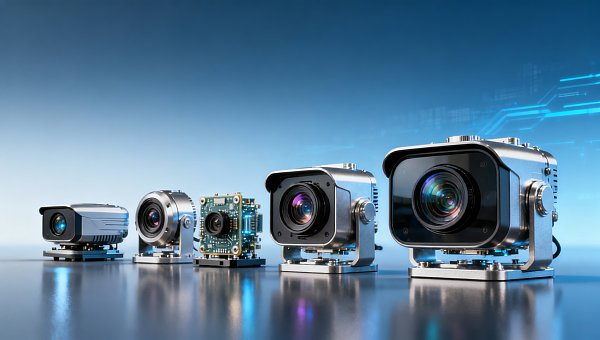
For procurement teams and engineers, understanding the trade-offs between LiDAR, radar, cameras, and ultrasonic sensors is the first step in making an informed decision. LiDAR offers high-resolution 3D mapping but struggles with cost and weather interference. Radar excels in all-weather detection but lacks fine object classification. Cameras provide rich visual data but require significant processing power, while ultrasonic sensors are cost-effective for short-range applications but limited in highway scenarios.
Operational Impact: Matching Sensors to Your Use Case
Project managers must evaluate how sensor choices affect real-world deployment:
- Urban Mobility: Camera-radar fusion dominates for pedestrian detection
- Highway Autonomy: Long-range radar with LiDAR redundancy proves most reliable
- Commercial Fleets: Cost-effective ultrasonic-camera combinations meet basic ADAS requirements
Total Cost of Ownership Analysis
Financial approvers need visibility beyond unit costs. Our benchmarking reveals:
Supply Chain Considerations for Procurement Teams
With semiconductor shortages impacting sensor availability, strategic sourcing requires:
- Dual-sourcing radar components from Tier 2 suppliers
- Prioritizing camera modules with standardized interfaces
- Auditing LiDAR manufacturers for vertical integration
Making the Strategic Choice
For decision-makers balancing technical and business requirements, we recommend:
- Conducting a 3-year ROI projection including calibration costs
- Validating sensor fusion capabilities against your OEM's architecture
- Benchmarking against IATF 16949 quality requirements
Conclusion: The optimal ADAS sensor mix depends on your operational profile, budget horizon, and supply chain resilience. While LiDAR suits premium autonomy applications, radar-camera combinations deliver the best balance for most commercial deployments. Procurement teams should prioritize suppliers with ISO 26262-certified development processes to ensure long-term reliability.

The Archive Newsletter
Critical industrial intelligence delivered every Tuesday. Peer-reviewed summaries of the week's most impactful logistics and market shifts.