Monday, May 22, 2024

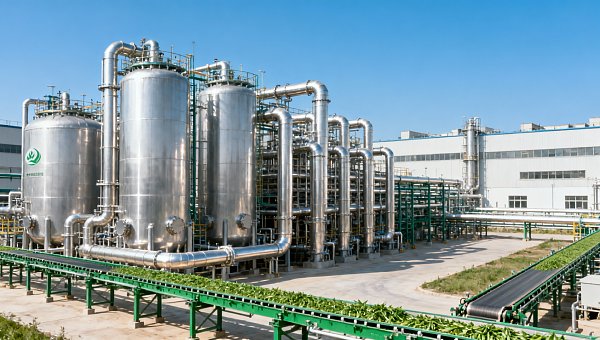
Shenyang Launches China's First 500,000-Ton Biomass Green Methanol Project
by
Published
Views:
On May 12, 2026, Shenyang, Liaoning Province, broke ground on China’s first large-scale biomass-based green methanol demonstration project — a 500,000-ton-per-year facility. The project signals accelerating substitution of fossil-derived methanol in key downstream applications including plastic additives, industrial solvents, and hydrogen energy carriers. Hardware components manufacturers (e.g., bio-based engineering plastic enclosures) and smart power grid developers (e.g., green fuel energy storage modules) are among the most directly relevant sectors, as the initiative strengthens China’s capacity to supply low-carbon materials with verifiable carbon footprints for regulated export markets such as the EU CBAM and U.S. IRA-aligned procurement channels.
Event Overview
On May 12, 2026, construction commenced on a biomass green methanol demonstration project in Shenyang, Liaoning Province. Upon full operation, the facility is designed to produce 500,000 tons of bio-based methanol annually. The output is intended for use as a substitute for petroleum-derived methanol in plastic additives, solvents, and hydrogen carrier applications. The project is positioned to support China’s export competitiveness in low-carbon hardware components and green fuel storage modules for smart power grids, targeting compliance with EU Carbon Border Adjustment Mechanism (CBAM) and U.S. Inflation Reduction Act (IRA)-aligned procurement requirements.
Industries Affected
Direct Exporters & Trade Enterprises
This project enhances traceable, low-carbon feedstock availability for exporters supplying hardware components (e.g., bio-engineered plastic casings) and smart grid modules to EU or U.S. markets. Affected enterprises may face increasing demand for certified carbon footprint documentation — particularly where CBAM reporting or IRA-compliant supplier declarations are required.
Raw Material Procurement Entities
Procurement teams sourcing methanol or methanol-derivative intermediates may begin evaluating long-term contracts with bio-methanol producers as commercial volumes scale. Supply chain diversification away from fossil-sourced methanol could gain strategic relevance, especially for firms aiming to meet Scope 3 emissions targets tied to upstream inputs.
Manufacturers of Engineering Plastics & Energy Storage Modules
Firms producing hardware components using methanol-derived resins or solvents — such as bio-based engineering plastics — may benefit from more stable, regionally available green feedstocks. Similarly, developers integrating liquid organic hydrogen carriers (LOHCs) or fuel-blend formulations into smart grid storage systems may gain access to domestically produced, certifiable green methanol.
Supply Chain & Certification Service Providers
Third-party verification bodies, logistics coordinators handling bio-feedstock transport, and digital traceability platform providers may see rising demand for services supporting carbon accounting, chain-of-custody validation, and real-time emissions tracking aligned with CBAM or IRA reporting frameworks.
What Relevant Enterprises Should Monitor and Do Now
Track official technical specifications and certification pathways
Monitor forthcoming announcements from Chinese authorities or project operators regarding the biomass feedstock origin, lifecycle assessment (LCA) methodology, and third-party verification standards applied to the methanol output — as these will determine its eligibility for CBAM-exempt status or IRA tax credit eligibility in downstream applications.
Assess exposure to methanol-dependent product lines and export destinations
Identify which current or planned products rely on methanol or methanol-derived intermediates, and map their end markets — especially those subject to CBAM phase-in timelines (starting 2026) or U.S. IRA procurement preferences. Prioritize engagement with early-stage pilot users of the Shenyang output.
Distinguish policy signaling from near-term operational readiness
Recognize that while this is a demonstration project, commercial-scale production and consistent quality certification are not yet confirmed. Avoid premature procurement commitments; instead, treat the launch as an indicator of regulatory alignment direction rather than immediate supply availability.
Prepare internal documentation and supplier engagement protocols
Update internal carbon accounting templates to accommodate bio-methanol inputs, and draft standardized requests for emissions data from potential future suppliers. Initiate dialogue with certification partners now to align on acceptable LCA boundaries and reporting formats ahead of formal market entry.
Editorial Perspective / Industry Observation
Observably, this project functions primarily as a policy and infrastructure signal — not yet a proven commercial supply source. Analysis shows it reflects coordinated alignment between domestic decarbonization goals and external trade regulation pressures, particularly CBAM and IRA implementation timelines. From an industry perspective, it is better understood as an early-stage enabler of low-carbon material exports, rather than an immediate alternative to existing methanol supply chains. Continued attention is warranted on how quickly certification frameworks mature, how feedstock logistics scale, and whether parallel policy incentives (e.g., green premium pricing, tax credits) emerge to support uptake beyond demonstration use cases.
In summary, the Shenyang project marks a structural step toward integrating biogenic feedstocks into chemical-intensive manufacturing value chains serving regulated international markets. Its significance lies less in near-term volume impact and more in its role as a testbed for verifiable, export-ready carbon reduction — one that shifts competitive dynamics for firms engaged in hardware components, smart grid infrastructure, and global green procurement compliance. Currently, it is more appropriately interpreted as a forward-looking infrastructure milestone than a disruptive supply shift.
Source: Official announcement dated May 12, 2026, regarding the Shenyang biomass green methanol demonstration project. Note: Certification standards, commercial off-take agreements, and full-scale operational timelines remain unconfirmed and require ongoing observation.

The Archive Newsletter
Critical industrial intelligence delivered every Tuesday. Peer-reviewed summaries of the week's most impactful logistics and market shifts.