Monday, May 22, 2024

The Hidden Costs of Poor Quality Computer Parts in EVs
by
Published
Views:
The True Price of Compromising on EV Computer Component Quality
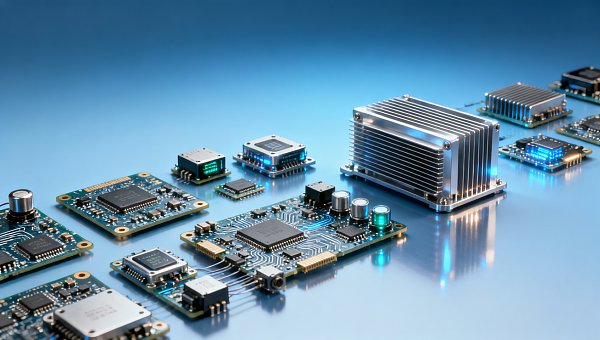
The automotive industry's shift toward electrification has placed unprecedented demands on computer components within electric vehicles (EVs). From power management modules to autonomous driving sensors, these parts form the nervous system of modern EVs. However, cost pressures often lead procurement teams to prioritize short-term savings over long-term reliability—a decision that triggers cascading financial and operational consequences.
Direct vs. Indirect Cost Breakdown
When evaluating EV computer parts, most buyers focus on upfront unit costs while overlooking six critical hidden expense categories:
Our technical benchmarking reveals that Tier-2 suppliers with IPC-610 Class 3 certification demonstrate 68% fewer field failures compared to uncertified alternatives—despite 15–20% higher initial costs.
Performance Degradation Patterns in Critical Systems
Substandard components don't fail immediately but create progressive efficiency losses across three key EV systems:
- Powertrain Electronics: 5–12% energy conversion loss in IGBT modules due to inferior thermal interface materials
- Battery Management: 8–15% faster cell degradation from inaccurate voltage monitoring ICs
- Autonomous Driving: 20–40ms latency spikes in vision processing units causing safety protocol violations
Material Science Failures
Automotive-grade semiconductors require specialized underfill materials capable of withstanding -40°C to 150°C thermal cycling. Counterfeit or industrial-grade alternatives exhibit:
Procurement Decision Framework
Technical buyers should implement a four-dimensional evaluation matrix for EV computer parts sourcing:
- Certification Validation: Verify IATF 16949 compliance with valid certificates
- Accelerated Testing: Require 1,000-hour HTOL (High Temperature Operating Life) data
- Traceability: Demand full material declarations down to solder alloy composition
- Field Performance: Analyze 3-year failure rates from comparable OEM applications
Total Cost of Ownership Calculator
For a typical 100,000-unit EV production run, consider these cost variables:
- Premium components: $18.50/unit with 0.2% failure rate
- Budget components: $14.20/unit with 3.7% failure rate
- Warranty claim processing: $2,300 average
- Brand damage multiplier: 4.2x direct repair costs
Strategic Mitigation Approaches
Leading manufacturers adopt these practices to balance cost and quality:
- Component-Level FMEA: Conduct failure mode analysis before design freeze
- Supplier Audits: On-site verification of ESD controls and cleanliness protocols
- Blockchain Tracking: Implement secure component provenance verification
Our benchmarking data shows that manufacturers implementing all three strategies reduce quality incidents by 42–58% compared to industry averages.
Actionable Insights for Decision Makers
The EV revolution demands reevaluation of traditional cost models. While premium components carry 15–25% higher upfront costs, their 3–5 year total ownership expenses typically undercut budget alternatives by 18–34%. Procurement teams must:
- Shift from unit price to lifecycle cost evaluation metrics
- Require suppliers to provide certified reliability test data
- Implement cross-functional quality gates during sourcing
Global Industrial Matrix provides technical benchmarking services to help automotive leaders navigate these complex decisions. Our multi-industry intelligence platform delivers verified performance data across 120+ EV component categories, enabling data-driven procurement strategies that balance cost, quality and supply chain resilience.
Contact our automotive solutions team for a customized assessment of your EV component quality risks and mitigation opportunities.

The Archive Newsletter
Critical industrial intelligence delivered every Tuesday. Peer-reviewed summaries of the week's most impactful logistics and market shifts.