Monday, May 22, 2024

What Makes Injection Molding Critical for Automotive Parts?
by
Published
Views:
What Makes Injection Molding Critical for Automotive Parts?
Injection molding has become the backbone of modern automotive manufacturing, enabling the mass production of precision components for Electric Vehicles, ADAS systems, and computer parts. As the automotive engineering sector shifts toward Mobility solutions and renewable energy integration, this manufacturing process delivers the cost-efficiency, material versatility, and structural integrity demanded by global procurement teams and Tier-1 engineers. Discover how injection molding bridges the gap between semiconductor-enabled electronics and mechanical reliability in critical automotive applications.
Why Automotive Manufacturers Can't Afford to Ignore Injection Molding
For procurement officers and engineering teams, injection molding isn't just a production method—it's a strategic enabler. The process delivers 40-60% cost reduction compared to metal alternatives while meeting ISO/TS 16949 standards for automotive-grade components. When evaluating suppliers, Tier-1 manufacturers prioritize injection molding capabilities for:
- Weight reduction (15-30% lighter than metal counterparts)
- Complex geometry integration (combining 5-10 parts into single molded units)
- Material flexibility (from flame-retardant polymers to glass-filled nylons)
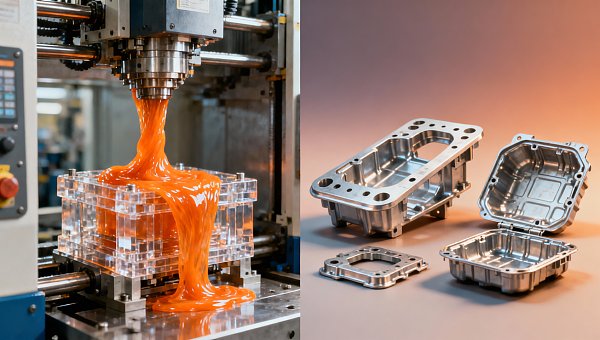
Material Innovations Driving Automotive Performance
Technical evaluators should note recent advancements in polymer science that address traditional limitations:
Cost-Benefit Analysis for Decision Makers
Financial approvers require hard data when evaluating injection molding investments:
- Tooling ROI: 50,000+ part lifecycle justifies $50k-$150k mold costs
- Cycle Times: 15-45 seconds per part vs. hours for machining
- Scrap Rates: Under 2% vs. 10-15% for traditional methods
Quality Control Considerations for Safety-Critical Parts
For quality managers, injection molding provides traceability through:
- Scientific molding parameters (pressure, temperature, speed)
- In-line vision inspection systems (detecting 0.1mm defects)
- Material certification to UL, RoHS, and REACH standards
Conclusion: The Strategic Advantage of Injection Molding
From procurement to engineering to quality assurance, injection molding delivers measurable advantages for automotive applications. The process enables manufacturers to meet evolving demands for lighter, smarter, and more sustainable vehicles while maintaining strict cost controls. As material science advances and Industry 4.0 integration deepens, injection molding will remain indispensable for producing the next generation of automotive components.

The Archive Newsletter
Critical industrial intelligence delivered every Tuesday. Peer-reviewed summaries of the week's most impactful logistics and market shifts.