Monday, May 22, 2024

Automated Sprinklers vs Traditional Systems: Which Fits Daily Operations?
by
Published
Views:
Choosing between automated sprinklers and traditional irrigation systems can directly affect labor efficiency, water control, maintenance planning, and daily operational consistency. For operators managing mixed workloads and performance targets, the right setup is not just about installation cost—it is about reliability, adaptability, and long-term productivity. This comparison explores which system better supports real-world daily operations across practical industrial and agricultural environments.
What do automated sprinklers and traditional systems actually mean in day-to-day operations?
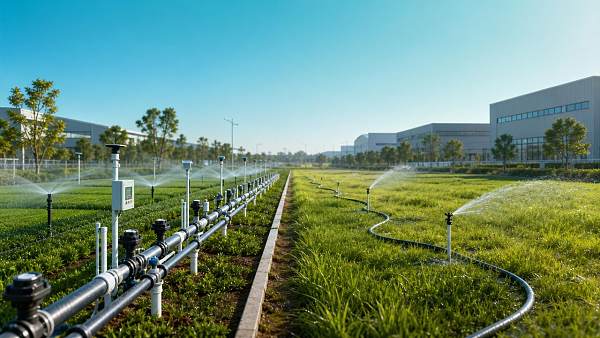
In practical terms, automated sprinklers are irrigation systems that control watering through timers, sensors, programmable valves, pressure management components, and sometimes cloud-connected software. They can be scheduled to run at fixed intervals or respond to soil moisture, weather conditions, or zone-specific demand. For operators, that means irrigation becomes part of a managed process rather than a manual routine.
Traditional systems, by contrast, usually depend on manual valve operation, portable hoses, basic sprinkler heads, or non-programmed irrigation lines. These systems may still be effective, especially in smaller or less complex environments, but they rely more heavily on operator attention and physical presence. If a shift changes, a field condition varies, or a maintenance task interrupts the irrigation cycle, consistency can drop quickly.
This distinction matters across mixed-use environments such as farms, industrial campuses, warehousing landscapes, processing yards, and infrastructure-adjacent green zones. At GIM, cross-sector benchmarking often shows that the core issue is not whether one system is modern and the other is old. The more useful question is whether the irrigation method matches the operational complexity, labor model, and control expectations of the site.
Why are automated sprinklers getting more attention from operators and facility teams?
Operators are under pressure to do more with tighter labor availability, stricter water accountability, and less room for inconsistent performance. That is one reason automated sprinklers are becoming more attractive. They reduce repetitive manual tasks and help standardize routine watering across multiple zones, even when staffing levels fluctuate.
Another driver is operational predictability. In many facilities, irrigation is not the main job; it is one of many support functions competing with inspection rounds, equipment handling, safety checks, and seasonal adjustments. When irrigation depends on memory or manual timing, small delays create overwatering, dry patches, runoff, or avoidable plant stress. Automated sprinklers can reduce those variations by turning irrigation into a controlled maintenance process.
There is also a compliance and sustainability angle. Water efficiency is now tied to ESG metrics, cost control, and infrastructure stewardship in many sectors. Automated systems make it easier to document schedules, isolate problem zones, and support measurable resource management. That does not make traditional systems obsolete, but it does explain why automated sprinklers are increasingly part of procurement discussions.
Which system handles daily labor demands better?
For most medium-to-large operations, automated sprinklers usually perform better from a labor-efficiency standpoint. Once installed and configured correctly, they allow operators to focus on inspection, troubleshooting, and optimization instead of repeatedly opening valves, moving hoses, or checking whether a zone has already been watered. That labor shift is especially valuable where one team covers grounds, utilities, light maintenance, and production-support activities at the same time.
Traditional systems can still work well when the irrigation footprint is small, labor is stable, and site conditions change often enough that manual control is considered an advantage. For example, if an operator needs to water a limited area differently every day due to shifting use patterns, a simple manual setup may feel more direct and easier to adjust without reprogramming.
However, labor efficiency is not just about time spent watering. It also includes the hidden cost of missed cycles, uneven application, delayed response to heat stress, and the need for rework. A manual system that appears cheaper can create a larger operational burden if it requires frequent intervention or depends on individual operator habits rather than repeatable process control.
Quick comparison for everyday use
Do automated sprinklers always save more water and improve control?
Not automatically. Automated sprinklers save water when they are designed, calibrated, and maintained properly. A well-zoned system using pressure-appropriate heads, reliable valves, and weather-based adjustments can significantly reduce overspray, runoff, and unnecessary watering. In those cases, water control improves because irrigation is tied to defined logic instead of guesswork.
But automation does not fix poor design. If nozzles are mismatched, pressure is unstable, schedules are copied from a different site, or sensor data is ignored, automated sprinklers can waste water at scale. The same issue can happen when operators assume “set and forget” is enough. Automation lowers routine effort, but it raises the importance of correct commissioning and periodic review.
Traditional systems can sometimes use water efficiently in small areas where experienced staff closely monitor soil conditions and apply water carefully. Still, the challenge is consistency. Manual watering can be precise in the hands of a skilled operator, yet difficult to standardize across teams, shifts, and seasons. That is why automated sprinklers tend to outperform traditional systems in sites where repeatability matters more than individual judgment.
How should operators compare maintenance burden instead of just installation cost?
Initial cost often dominates the conversation, but maintenance burden is what shapes daily operations over time. Automated sprinklers involve controllers, solenoids, wiring or wireless links, sensors, and more integrated diagnostics. That means failures may require technical troubleshooting rather than simple manual repair. Operators need at least a basic understanding of zones, runtimes, pressure behavior, and seasonal programming.
At the same time, traditional systems carry their own maintenance costs. Hose wear, uneven coverage, manual valve failure, connector leaks, and repeated setup changes all consume labor. Because these issues are dispersed and routine, they may not be tracked as a formal maintenance cost, even though they interrupt work and reduce irrigation quality.
A better comparison is to ask three practical questions: how often does the system need human intervention, how quickly can faults be identified, and what happens to operations when one component fails? Automated sprinklers often win on fault visibility and labor reduction, while traditional systems may win on repair simplicity. The right answer depends on whether your team is stronger in repetitive manual work or in structured preventive maintenance.
Maintenance evaluation checklist
Which environments are better suited to automated sprinklers, and where do traditional systems still make sense?
Automated sprinklers are usually the better fit for larger properties, multi-zone sites, smart agriculture deployments, industrial campuses, municipal grounds, and facilities where irrigation must happen reliably without depending on staff presence at a precise hour. They are also valuable where water reporting, standardized upkeep, or integrated site management matters. If different zones have distinct exposure, soil conditions, or performance requirements, automation provides more scalable control.
Traditional systems still make sense in compact sites, temporary layouts, pilot areas, low-budget operations, or environments where irrigation demand changes so frequently that full programming brings little advantage. They can also be a practical choice during transition phases, such as when a site is expanding and permanent zoning is not yet finalized.
A hybrid approach is often overlooked. Some operations use automated sprinklers in stable, high-priority zones and retain manual watering for edge areas, seasonal plots, or maintenance-sensitive sections. This model can balance investment discipline with operational control, especially in diverse environments where not every area justifies the same level of automation.
What are the most common mistakes when choosing between automated sprinklers and traditional systems?
One common mistake is focusing only on purchase price. Operators may select a traditional system because the entry cost is lower, then discover that labor hours, inconsistent coverage, and water waste create a higher total operating cost. The opposite error also happens: teams buy automated sprinklers with advanced features they do not need, then struggle with underused technology and support requirements.
Another mistake is ignoring site variability. Soil type, slope, wind exposure, pressure conditions, drainage behavior, and zone layout all influence whether automated sprinklers will perform well. Automation is most effective when the hydraulic and physical design is matched to real site conditions. Without that foundation, even a premium system will not deliver stable results.
A third mistake is underestimating training. Traditional systems depend on operator discipline, while automated sprinklers depend on operator understanding. Staff should know how to override schedules, inspect nozzles, recognize leaks, and adapt settings to weather or production changes. In both systems, poor operating practice weakens results. The difference is simply where the risk shows up.
How can an operator decide which option fits daily operations best?
Start with the workflow, not the product brochure. If irrigation is repeatedly causing labor diversion, missed cycles, water inconsistency, or avoidable maintenance calls, automated sprinklers are likely worth serious evaluation. If the site is small, conditions are straightforward, and the operator can reliably manage watering without disrupting other tasks, a traditional setup may remain efficient enough.
Next, map the decision against measurable criteria: number of irrigation zones, available labor hours, acceptable water variance, maintenance capability, and response speed when failures occur. This approach aligns well with GIM’s broader benchmarking philosophy, where operational suitability matters more than labels or marketing claims. The best system is the one that supports repeatable performance under real workload conditions.
In many cases, automated sprinklers fit daily operations better because they improve schedule discipline, reduce manual burden, and support more consistent resource control. Yet traditional systems still have a place where simplicity, flexibility, and low upfront commitment are the true priorities. The strongest decision comes from matching system complexity to actual operating demands rather than assuming newer always means better.
What should you confirm before moving toward procurement, upgrade, or implementation?
Before selecting automated sprinklers or staying with a traditional system, confirm the basics that directly influence performance: water source stability, pressure range, zone layout, soil and surface conditions, expected watering frequency, and who will operate or maintain the system. Also verify whether the site needs simple timer-based control or more advanced sensor-driven irrigation.
It is equally important to ask procurement and technical questions early. Are replacement parts standardized? Can settings be adjusted without specialist software? How are leaks, pressure drops, or valve failures detected? What training will operators need? If the answer to these questions is unclear, the project may look efficient on paper but become difficult in everyday use.
If you need to confirm a specific solution, parameter range, upgrade path, implementation cycle, or supplier fit, prioritize discussions around zone design, labor model, water-use targets, maintenance capability, and expected return from operational stability. That conversation will reveal much faster whether automated sprinklers or a traditional system truly fits your daily operations.

The Archive Newsletter
Critical industrial intelligence delivered every Tuesday. Peer-reviewed summaries of the week's most impactful logistics and market shifts.