Monday, May 22, 2024

How Smart Irrigation Systems are Using Advanced Sensors
by
Published
Views:
How Smart Irrigation Systems are Using Advanced Sensors
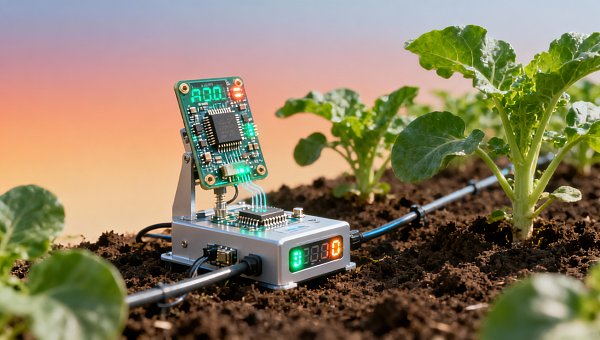
Smart irrigation systems are revolutionizing agriculture by integrating advanced sensors, semiconductors, and electronics to optimize water usage. These cutting-edge solutions align with renewable energy goals while enhancing mobility and precision in farming operations. For technical evaluators, procurement specialists, and decision-makers, understanding these sensor-driven systems is critical for sustainable agri-tech investments. Global Industrial Matrix provides the cross-sector intelligence needed to benchmark these innovations against international standards, ensuring operational efficiency across smart agriculture and beyond.
What Technical Evaluators Need to Know About Sensor Performance
For engineers and technical evaluators, the reliability and precision of soil moisture sensors, weather stations, and flow meters are non-negotiable. Modern systems leverage MEMS-based hygrometers with ±2% accuracy and LoRaWAN-enabled telemetry for real-time data transmission. Key considerations include:
- Sensor calibration cycles: ISO 15839-certified probes require 50% fewer recalibrations than traditional models
- Data granularity: High-resolution sensors deliver irrigation recommendations at 0.1m3/ha precision
- Interoperability: CAN bus and Modbus RTU protocols ensure compatibility with existing farm management systems
ROI Calculations for Procurement Teams
Financial decision-makers require concrete metrics when evaluating smart irrigation investments. Our benchmarking data reveals:
Critical factors affecting ROI include regional water costs, crop water requirements, and existing infrastructure compatibility.
Implementation Challenges for Project Managers
Field deployment presents unique hurdles that operations teams must anticipate:
- Electromagnetic interference in high-voltage farming environments can disrupt sensor signals
- Cybersecurity vulnerabilities in wireless mesh networks require IEC 62443-3-3 compliance
- Maintenance logistics for distributed sensor networks across large acreages
Leading manufacturers now offer IP68-rated enclosures and predictive maintenance algorithms to mitigate these risks.
Key Takeaways for Decision-Makers
Smart irrigation systems represent a strategic investment that requires cross-functional evaluation:
- Technical teams should prioritize sensors with ISO 11783 certification for agricultural vehicles
- Financial models must account for regional subsidies and tax incentives for water conservation tech
- Implementation plans need phased rollouts with pilot zones to validate system performance
As the industry moves toward Agriculture 4.0, sensor-driven irrigation will become the baseline for operational efficiency and sustainability compliance.
The Archive Newsletter
Critical industrial intelligence delivered every Tuesday. Peer-reviewed summaries of the week's most impactful logistics and market shifts.