Monday, May 22, 2024

India Rice Duty Drives Irrigation Sensor Buying
by
Published
Views:
On June 23, 2026, India urgently imposed a 20% export duty on parboiled rice. Based on the information provided, this trade measure, combined with lower rice output linked to El Niño, has intensified pressure on irrigation water use and accelerated purchasing of Smart Irrigation hardware. For sensor suppliers, importers, procurement teams, and delivery-side service providers, the development is worth close attention because it connects a food trade rule change with immediate shifts in agricultural equipment sourcing and practical compliance needs.
How the policy shift is already showing up in procurement
The confirmed facts are limited but clear. India implemented a 20% export duty on parboiled rice on June 23, 2026. At the same time, the event summary states that El Niño-related rice production losses increased domestic irrigation water pressure.
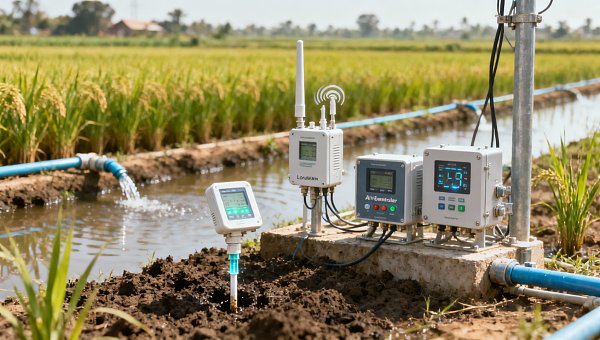
The same summary also states that agricultural cooperatives in multiple areas moved faster to deploy Smart Irrigation systems. This, in turn, pushed month-on-month import volumes higher for hardware including soil moisture sensors, low-power LoRaWAN gateways, and AI water-saving controllers.
According to the procurement bulletin referenced in the input, imports of these hardware categories rose 47% month on month. The summary further states that cost-effective sensor modules made in China are becoming the preferred substitute option.
Where the pressure may shift across the supply chain
Procurement teams are likely to face faster specification checks
From an industry perspective, buyers of Smart Irrigation hardware may be affected first because the trigger is not only higher demand, but demand linked to an urgent resource-use situation. That can shift attention toward technical documentation, specification matching, and procurement timing for soil moisture sensors, LoRaWAN gateways, and AI control units. What deserves closer attention is whether tenders, purchase requests, or supplier screening begin to place more weight on delivery readiness and product fit for water-saving deployment.
Import and trade operators may need closer document control
For importers and trade service providers, the immediate issue is not the rice duty itself as a direct rule on irrigation hardware, but the secondary procurement surge that follows it. Analysis shows that when hardware imports rise quickly, the operational burden often moves to classification accuracy, supporting documents, shipment planning, and consistency between commercial and technical files. Companies involved in cross-border delivery should therefore watch for any tighter documentary expectations in procurement or customs-facing processes.
Component manufacturers may see substitution-driven inquiries
Manufacturers of sensor modules and related irrigation electronics may be influenced by the reported preference for cost-effective Chinese alternatives. Observably, this does not confirm a permanent sourcing shift, but it does suggest that pricing, module compatibility, and readiness for deployment can become more important in current inquiries. The practical effect may appear in quotation cycles, sample validation, and after-sales support expectations rather than only in headline order volume.
After-sales and field support could become part of the buying decision
For distributors and service-side participants, a faster rollout of Smart Irrigation systems can make installation support, maintenance response, and traceability more relevant during purchasing. Analysis shows that when adoption is accelerated by water-use pressure, buyers may pay closer attention to whether hardware can be integrated and serviced reliably, especially for core sensing and control devices.
What companies should monitor now
Track official wording and execution signals
It is more appropriate to understand the current situation as a confirmed trade-policy change with downstream procurement effects already visible in the summary provided. Companies should continue monitoring whether later official wording, implementation guidance, or procurement notices clarify how long the urgent purchasing cycle may continue or how specifications may be framed in upcoming orders.
Prepare technical and bid documents carefully
For suppliers of soil moisture sensors, low-power LoRaWAN gateways, and AI water-saving controllers, closer attention should be paid to technical files, test records, product descriptions, and bid-alignment materials. The input does not provide detailed execution rules, so companies should avoid assuming that existing document sets will automatically meet buyer requirements in accelerated procurement scenarios.
Review delivery planning and supplier qualification
Analysis shows that a sudden increase in hardware imports can put pressure on lead times and supplier selection. Businesses should therefore review delivery commitments, stock planning, and the qualification status of upstream module providers. This is especially relevant where buyers are turning to substitute products and may ask for quicker validation or more complete traceability materials.
Do not separate price from service obligations
The preference for cost-effective sensor modules may create opportunities, but companies should also watch after-sales responsibilities, quality follow-up, and issue-tracking arrangements. Observably, when substitution becomes part of a procurement response, post-delivery support can become a practical differentiator even if it is not the main trigger for the order.
Why this matters beyond a single procurement spike
Analysis shows that this development is not only about a rice export duty. It also signals how a trade measure, when combined with production stress and water pressure, can quickly reshape equipment demand in adjacent sectors. What deserves closer attention is that the market response appears to be happening through procurement behavior and hardware substitution, not through a broad new regulatory framework for irrigation equipment stated in the input.
It is therefore more appropriate to understand this as an execution signal already visible in the market, while many practical details still require observation. Further changes, if any, are more likely to appear in procurement language, technical requirements, delivery expectations, and buyer feedback than in the limited confirmed facts currently available.
How to read the development at this stage
At this stage, the event can be read as a confirmed policy move with immediate downstream effects on Smart Irrigation purchasing. The most relevant industry meaning is that trade-policy shifts in agricultural commodities can rapidly influence sourcing priorities for related hardware categories.
From an industry perspective, the prudent conclusion is not to overstate the long-term outcome. It is more appropriate to treat the situation as a live execution trend: one that has already affected demand signals for sensors and control hardware, but still needs continued verification through procurement practice, supplier requirements, and market feedback.
Basis of this article and what still needs verification
This article is generated from the user-provided news title, event date, and event summary. For events of this type, commonly relevant source categories may include official announcements, regulator releases, customs or trade authority information, industry association updates, standards-related documents, and reporting by established media.
No specific official source link was provided in the input, so the underlying official documentation still needs continued verification. Observably, the points that require further monitoring include later policy detail, execution guidance, procurement document changes, technical requirement wording, industry feedback, and how companies actually implement sourcing and delivery decisions in response.

The Archive Newsletter
Critical industrial intelligence delivered every Tuesday. Peer-reviewed summaries of the week's most impactful logistics and market shifts.