Monday, May 22, 2024

How to Evaluate an Electronic Components Supplier
by
Published
Views:
Choosing the right electronic components supplier is no longer just about price or lead time—it is a strategic decision that affects quality, compliance, and supply chain resilience. A structured review helps reduce sourcing risk, protect production continuity, and support stronger long-term performance across complex industrial supply networks.
In global manufacturing, an electronic components supplier influences product reliability, audit readiness, engineering change control, and response speed during disruption. This guide explains how to assess capabilities, compare options, identify warning signs, and build a dependable sourcing framework.
What should be evaluated first in an electronic components supplier?
Start with legitimacy, traceability, and technical fit. These three factors reveal whether an electronic components supplier can support industrial requirements beyond basic order fulfillment.
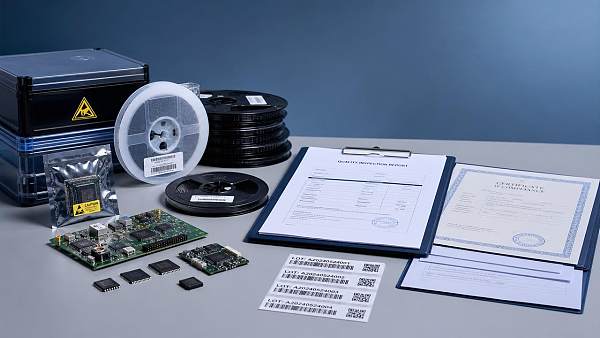
Check legal registration, operating history, and regional footprint. A credible electronic components supplier should provide clear company information, product scope, and documented quality processes.
Then verify line-card relevance. A supplier may be strong in passive devices but weak in microcontrollers, power semiconductors, sensors, connectors, or high-reliability assemblies.
Ask for evidence of authorized channels, manufacturer relationships, and traceable sourcing paths. This matters greatly when counterfeit risk, lifecycle risk, or export control exposure is present.
- Business license and compliance records
- Product categories aligned with actual BOM demand
- Manufacturer authorization or documented procurement chain
- Lot traceability and date-code control
- Ability to handle shortages and alternates
A strong early screen prevents wasted qualification time. It also filters out suppliers that appear competitive on price but cannot support compliance, quality records, or continuity planning.
How do quality systems show whether a supplier is reliable?
Quality is more than incoming inspection. A dependable electronic components supplier uses documented controls across sourcing, storage, handling, packaging, shipping, and nonconformance response.
Review certifications carefully. ISO 9001 is common, but some industries may require stronger alignment with IATF 16949, AS standards, IPC practices, ESD controls, or RoHS and REACH declarations.
Ask how the supplier verifies authenticity. Good answers include visual inspection standards, X-ray access, decapsulation partnerships, electrical testing, and documented quarantine procedures.
Key quality questions to ask
- How are suppliers to the supplier approved and monitored?
- What is the process for suspect counterfeit material?
- How are moisture-sensitive and ESD-sensitive parts handled?
- Can full lot and date-code traceability be provided?
- How quickly are corrective actions issued after a claim?
Reliable suppliers answer with records, not promises. Audit reports, sample certificates, inspection workflows, and CAPA examples are stronger than general statements about quality commitment.
For cross-sector applications, quality maturity matters even more. Electronics now support automotive systems, industrial controls, smart agriculture equipment, energy infrastructure, and environmental monitoring devices.
How can delivery, inventory, and supply chain resilience be measured?
A capable electronic components supplier must perform under disruption. That means inventory visibility, planning discipline, multi-region sourcing options, and realistic communication during volatile market conditions.
Ask for metrics, not estimates. On-time delivery, fill rate, backlog aging, and expedite success rate reveal far more than a generic claim of strong logistics.
Resilience also depends on how the supplier manages lifecycle changes. Obsolescence notices, last-time-buy support, and substitute recommendations can reduce redesign costs and emergency purchases.
Operational indicators worth reviewing
An electronic components supplier with disciplined forecasting support can also improve planning confidence. This is especially useful when projects span several industries with different demand cycles and compliance needs.
What commercial and technical factors should be compared beyond price?
Unit cost matters, but total acquisition value matters more. The best electronic components supplier often reduces hidden costs in testing, delays, failures, document recovery, and excess inventory.
Review quotation transparency first. Pricing should distinguish manufacturer lead times, stock positions, MOQ, NCNR terms, date-code limits, and packaging conditions.
Technical support can also separate average suppliers from strategic ones. Helpful partners assist with part selection, cross references, PCN tracking, end-of-life monitoring, and specification clarification.
Areas often overlooked during comparison
- Response time to RFQs and technical questions
- Flexibility on mixed-volume or prototype orders
- Ability to support VMI or scheduled releases
- Document quality for certifications and declarations
- Clarity around returns, warranty, and claims handling
When comparing an electronic components supplier, use a weighted scorecard. This avoids overvaluing the lowest quoted price when supply stability and quality performance carry greater operational importance.
What are the most common risks and red flags?
Several warning signs appear early if the review is disciplined. A risky electronic components supplier usually fails on traceability, documentation consistency, or communication transparency.
Be cautious if a supplier avoids audits, cannot explain stock origin, or changes lead-time claims repeatedly. These patterns often signal weak process control or speculative sourcing practices.
Another red flag is incomplete compliance support. Missing RoHS, REACH, conflict minerals, or country-of-origin data can delay customer approval and create downstream reporting problems.
Typical red flags
- Unusually low prices without source justification
- No clear process for counterfeit risk mitigation
- Reluctance to provide sample documents
- Poor packaging control for sensitive devices
- Inconsistent answers from sales and quality teams
In high-dependency supply chains, small gaps can become major cost events. A weak electronic components supplier may trigger line stoppages, recalls, retesting, or expensive emergency buys.
How should a final supplier selection decision be made?
Use a formal evaluation model that combines quality, logistics, compliance, technical support, and commercial terms. This makes the selection process repeatable and easier to defend internally.
A practical method is to score each electronic components supplier across weighted categories. Weighting can reflect product criticality, regulatory exposure, and expected demand volatility.
Shortlist suppliers after desk review, then validate through trial orders, document sampling, and targeted audits. This phased approach reduces decision risk before larger commitments are made.
For organizations operating across electronics, mobility, agri-tech, and industrial infrastructure, evaluation should consider cross-sector reliability. A resilient electronic components supplier must perform consistently under diverse technical and compliance demands.
Quick FAQ summary: what should be remembered most?
Evaluating an electronic components supplier requires more than a price comparison. The best decisions come from structured checks on quality, traceability, resilience, compliance, and technical support.
A stronger framework leads to fewer disruptions and better long-term supply performance. Use the criteria above to build a shortlist, test supplier claims, and select with confidence in a demanding global manufacturing environment.
The Archive Newsletter
Critical industrial intelligence delivered every Tuesday. Peer-reviewed summaries of the week's most impactful logistics and market shifts.