Monday, May 22, 2024

How to Select Electronic Components for Control Systems
by
Published
Views:
How to Select Electronic Components for Control Systems
Selecting the right electronic components for control systems is critical to achieving stable performance, compliance, and long-term reliability in modern industrial environments.
For complex sourcing decisions, a structured evaluation process reduces technical risk and supports better lifecycle outcomes.
That matters even more now, because control architectures are more connected, more compact, and more exposed to harsh conditions than before.
In practice, choosing electronic components for control systems is not only about function.
It is also about interoperability, standards alignment, supply resilience, and maintainability across the full operating window.
Start with the Control System Context
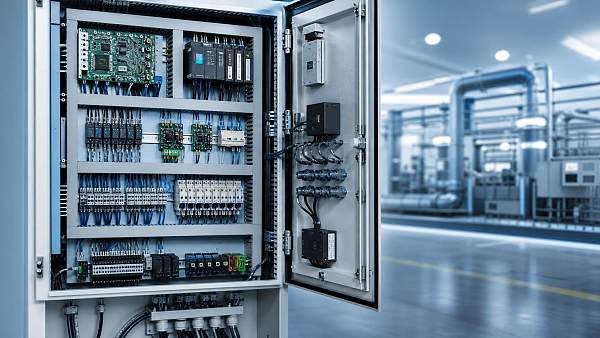
Before comparing parts, define the system role clearly.
A motor drive controller, safety PLC, irrigation node, and filtration skid do not need the same selection logic.
This is where many teams lose time.
They compare electronic components for control systems at the part level before confirming system-level constraints.
A better approach is to map the control loop first.
- Define input sources, signal types, and response speed.
- Identify output loads, switching profiles, and failure consequences.
- Confirm power domains, communication buses, and grounding strategy.
- List certification targets and regional compliance requirements.
Once this baseline is visible, component screening becomes faster and more defensible.
It also helps separate critical components from commodity items.
Evaluate Functional Fit Before Price
The first filter for electronic components for control systems should be functional fit.
Cost matters, but only after performance margins are understood.
For semiconductors, review voltage, current, timing, thermal behavior, and EMC performance together.
For passive devices, tolerance, drift, ESR, dielectric stability, and aging often decide field reliability.
Connectors and relays need the same rigor.
Mating cycle life, contact resistance, sealing level, and vibration endurance affect control uptime directly.
A useful rule is to check nominal values against real operating peaks, not brochure averages.
That means derating is essential when selecting electronic components for control systems.
- Use thermal derating for power devices and regulators.
- Apply voltage headroom for capacitors and isolation components.
- Allow timing margin for processors, memory, and communication ICs.
- Check surge, inrush, and fault transients, not only steady state.
This step usually eliminates parts that look acceptable on paper but fail in real duty cycles.
Match Components to Operating Conditions
Environmental exposure changes the selection process significantly.
Electronic components for control systems inside clean indoor cabinets face very different risks than parts mounted near pumps, engines, or outdoor equipment.
Temperature range is the obvious starting point.
However, humidity, condensation, dust, chemicals, UV exposure, and altitude often become the real failure drivers.
From recent market shifts, this is becoming more visible in distributed automation and smart agri-tech deployments.
Remote nodes are expected to operate longer with less service access.
That raises the importance of sealing, corrosion resistance, and stable power conditioning.
If conditions are harsh, lab-grade parts rarely stay competitive once maintenance costs are counted.
Verify Standards, Quality, and Traceability
Quality validation should be built into every decision on electronic components for control systems.
A part can be technically capable and still create risk if documentation is weak.
This is especially relevant in cross-sector programs involving automotive, infrastructure, and industrial electronics.
Look for measurable alignment with standards such as ISO, IATF, IPC, UL, CE, and RoHS where applicable.
The goal is not paperwork for its own sake.
The goal is predictable quality, repeatability, and a cleaner path through audits and approvals.
- Check PPAP, FMEA, and control plan availability where needed.
- Review lot traceability, date code policy, and change notification practice.
- Confirm counterfeit mitigation procedures across brokers and distributors.
- Request reliability data, qualification reports, and failure analysis history.
This is where technical benchmarking platforms become useful.
They help compare suppliers using the same evidence base, instead of inconsistent sales claims.
Assess Supply Chain Risk Alongside Performance
Supply assurance is now part of component engineering.
That is one of the clearest changes in how electronic components for control systems should be evaluated today.
Single-source dependence can turn a technically strong design into an operational bottleneck.
Lead time volatility, regional concentration, and sudden end-of-life notices all affect program stability.
In actual procurement work, second-source readiness is often the difference between continuity and redesign.
When comparing electronic components for control systems, ask these sourcing questions early:
- Is the part active, mature, or near obsolescence?
- Are there footprint-compatible or function-compatible alternatives?
- How many qualified suppliers can support the required volume?
- What is the geographic spread of fabrication, assembly, and logistics?
- Are allocation risks visible in the current market cycle?
This broader view reduces hidden exposure and supports a more resilient bill of materials.
Build a Practical Comparison Framework
A disciplined scorecard keeps component selection objective.
Without one, reviews tend to overvalue unit price and undervalue downstream engineering effort.
A useful scorecard for electronic components for control systems should include both technical and commercial dimensions.
The weights can shift by application.
Safety systems may emphasize traceability, while distributed field controls may prioritize environmental durability and power efficiency.
The main point is consistency.
When the same framework is used repeatedly, benchmarking becomes easier and decisions become easier to defend.
Common Mistakes in Selecting Electronic Components for Control Systems
A few mistakes appear often, even in experienced teams.
- Using nominal ratings without checking transient loads.
- Ignoring connector and cable assembly reliability.
- Approving parts without formal change notification coverage.
- Treating all approved distributors as equal in traceability strength.
- Choosing parts that pass testing but fail long-term sourcing requirements.
These issues usually surface late, when redesign costs are already higher.
That is why early evaluation of electronic components for control systems should include engineering, quality, and sourcing inputs together.
A Smarter Way to Decide
Selecting electronic components for control systems is really a systems decision.
The strongest choices balance functional accuracy, environmental fit, standards compliance, and supply continuity.
That balance is increasingly important across manufacturing, mobility, water infrastructure, and smart agricultural equipment.
For organizations comparing parts across multiple sectors, cross-industry benchmarking adds another advantage.
It reveals where a lower-cost option may carry hidden reliability or sourcing penalties.
Use a repeatable checklist, validate the operating context, and verify supplier evidence before approval.
That approach leads to better electronic components for control systems, stronger procurement decisions, and more resilient designs over time.
The Archive Newsletter
Critical industrial intelligence delivered every Tuesday. Peer-reviewed summaries of the week's most impactful logistics and market shifts.