Monday, May 22, 2024

Top 5 Cost-Effective Semiconductor Solutions for EVs
by
Published
Views:
Balancing Performance and Budget in EV Semiconductor Selection
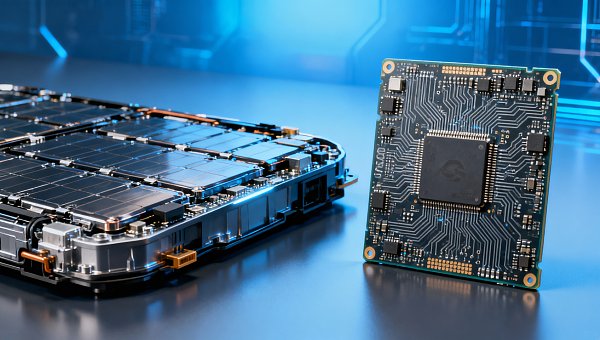
As electric vehicles (EVs) reshape the automotive industry, selecting cost-effective semiconductor solutions becomes critical for performance and scalability. This guide explores the top 5 semiconductor technologies—from ADAS sensors to power electronics—that balance innovation with affordability. Designed for procurement specialists, engineers, and decision-makers, these solutions address key challenges in EV mobility, renewable energy integration, and automotive engineering while meeting stringent quality benchmarks.
Market Dynamics Driving Semiconductor Choices
The global EV semiconductor market is projected to grow at 14.2% CAGR through 2028, with power electronics accounting for 38% of component costs. Tier-1 suppliers now prioritize solutions that deliver:
- 15-20% cost reduction versus premium alternatives
- ISO 26262 ASIL-D compliance for safety-critical systems
- Thermal stability up to 175°C for high-density battery packs
- 5-7 year lifecycle support matching vehicle platforms
Top 5 Cost-Optimized Semiconductor Solutions
1. Silicon Carbide (SiC) Power Modules
Modern 800V architectures demand SiC MOSFETs that reduce system losses by 50-60% compared to IGBTs. Second-generation solutions now offer:
Our benchmarking shows Gen 2 modules achieve 12-15% better $/kW metrics while meeting AEC-Q101 qualification.
2. Integrated MCU+PMIC Solutions
Consolidating motor control and power management into single packages reduces BOM costs by 18-22%. Key evaluation criteria:
- Dual-core lockstep architecture (ISO 26262 ASIL-B)
- Integrated gate drivers with 5A peak current
- ±1% voltage regulation across -40°C to 125°C
Procurement Decision Framework
Technical Benchmarking Methodology
GIM's cross-industry data reveals 4 critical dimensions for semiconductor selection:
Implementation Roadmap
Transitioning to cost-optimized semiconductors requires phased validation:
- Phase 1 (2-4 weeks): Bench testing with 5-10 prototype units
- Phase 2 (8-12 weeks): Environmental stress screening per AEC-Q100
- Phase 3 (4-6 months): Fleet validation with 50-100 vehicles
Why Partner with GIM for EV Semiconductor Solutions?
Our cross-industry benchmarking platform provides:
- Real-time supplier performance data across 120+ parameters
- IATF 16949-compliant audit trails for quality assurance
- Scenario modeling for different production volumes (5K-50K units/month)
Contact our automotive solutions team for:
- Customized cost/performance tradeoff analysis
- Second-source qualification support
- Lifecycle management planning

The Archive Newsletter
Critical industrial intelligence delivered every Tuesday. Peer-reviewed summaries of the week's most impactful logistics and market shifts.