Monday, May 22, 2024

Key Considerations for PCB Fabrication in Automotive Applications
by
Published
Views:
Automotive PCB Fabrication Challenges in the EV Era
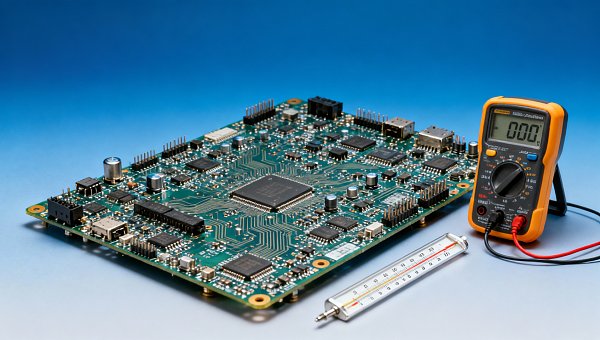
As automotive engineering evolves with Electric Vehicles and ADAS systems, PCB fabrication faces unprecedented demands for reliability and performance. This guide explores critical considerations for automotive-grade electronics, from sensor integration to semiconductor selection, addressing the unique challenges of Mobility applications. Discover how high-performance computer parts and injection molding techniques meet stringent industry standards while supporting renewable energy initiatives in next-gen vehicles.
Thermal Management & Material Selection
Modern automotive PCBs must withstand temperature ranges from -40°C to 150°C while maintaining signal integrity. High-Tg (glass transition temperature) materials like FR-4 with Tg≥170°C are becoming standard for EV power electronics. Key material considerations include:
- Thermal conductivity: 0.3–3.0 W/mK for effective heat dissipation
- CTE (Coefficient of Thermal Expansion) matching: ≤14 ppm/°C to prevent delamination
- Dielectric constant stability: Dk variation <5% across operating temperatures
Critical Performance Parameters for Automotive PCBs
The table below compares key specifications between conventional and automotive-grade PCBs:
Automotive PCBs require 3–5 times more rigorous testing cycles compared to consumer electronics, including 1,000+ thermal shock cycles and 500+ hours of humidity testing.
Reliability Testing Protocols
Automotive PCB manufacturers must comply with 8–12 industry-specific reliability tests:
- Thermal cycling (-40°C to 125°C, 1,000 cycles)
- Power cycling (10,000+ cycles at rated current)
- Vibration testing (20–2000Hz, 3 axes)
- Mechanical shock (50G, 11ms duration)
Compliance Standards for Automotive Electronics
Automotive PCB fabrication requires adherence to 5–7 key international standards:
- AEC-Q100 (Stress Test Qualification for ICs)
- IPC-6012DA (Automotive Addendum to Rigid PCB Performance)
- IATF 16949 (Quality Management System)
- ISO 26262 (Functional Safety)
Supply Chain Considerations
When sourcing automotive PCBs, procurement teams should evaluate 4 critical factors:
- Material traceability (full supply chain documentation)
- Process capability (CPK≥1.67 for critical parameters)
- Change management (PCN lead time ≥90 days)
- End-of-life management (15+ years component availability)
Why Partner with GIM for Automotive PCB Solutions
GIM's cross-sector benchmarking platform provides unique advantages for automotive PCB procurement:
- Real-time compliance tracking across 50+ international standards
- Technical benchmarking of 200+ substrate materials
- Supply chain risk analysis for 15+ critical raw materials
- Performance validation against OEM-specific requirements
Technical Consultation Services
Our engineering teams can assist with:
- Material selection for specific thermal/mechanical requirements
- Design-for-manufacturing (DFM) optimization
- Failure mode analysis and root cause investigation
- Transition planning for next-gen vehicle architectures
Request a PCB Fabrication Assessment
Contact our Automotive Electronics specialists to discuss:
- Custom material specifications for your application
- Compliance roadmap for target markets
- Cost-performance optimization strategies
- Supply chain resilience planning

The Archive Newsletter
Critical industrial intelligence delivered every Tuesday. Peer-reviewed summaries of the week's most impactful logistics and market shifts.