Monday, May 22, 2024

PCB fabrication costs in 2026: what really drives pricing
by
Published
Views:
As 2026 approaches, PCB fabrication costs are being reshaped by more than raw materials alone. From active components and automotive safety electronics to driver assistance, smart grid technology, and future mobility platforms, pricing now reflects complex industry applications and supply chain pressures. For buyers, engineers, and decision-makers working with powertrain systems or any electric motor manufacturer, understanding these cost drivers is essential to balancing performance, compliance, and emissions reduction goals.
The short answer is this: in 2026, PCB fabrication pricing will be driven less by a single “board cost” number and more by a combination of layer count, material system, yield risk, trace and via complexity, compliance requirements, regional manufacturing strategy, and order profile. For most organizations, the biggest pricing mistakes will not come from copper or laminate alone, but from underestimating how design choices, qualification standards, and procurement timing affect total cost.
That matters because PCB sourcing is no longer just a purchasing activity. It sits at the intersection of engineering performance, supply continuity, regulatory compliance, product reliability, and margin control. Whether you are evaluating standard industrial boards, HDI designs, automotive control units, power electronics substrates, or connected infrastructure assemblies, the same question applies: what is really pushing the quote up, and which of those factors can actually be managed?
What buyers and engineers should expect from PCB fabrication costs in 2026
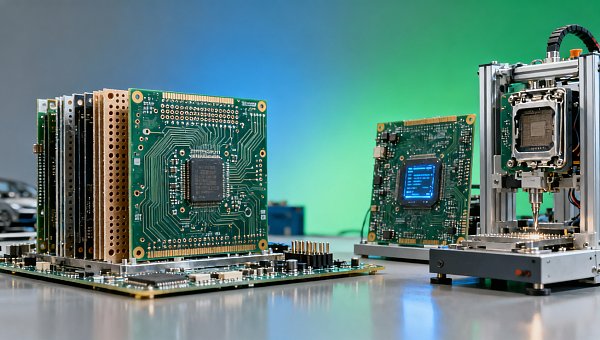
The core search intent behind this topic is practical and decision-oriented. Readers are not simply looking for a generic definition of PCB pricing. They want to know what is changing in 2026, why quotes vary so widely between suppliers, and how to forecast or reduce costs without creating quality, compliance, or delivery risks.
For most target readers, the most important concerns are:
- What cost drivers matter most now?
- Which design choices increase fabrication cost disproportionately?
- How do automotive, industrial, powertrain, and high-reliability requirements affect pricing?
- What should procurement teams challenge in a quote, and what should they accept as unavoidable?
- How can companies compare suppliers beyond the unit price?
In 2026, the answer will increasingly depend on how technically demanding the board is and how much manufacturing risk the supplier must absorb. A simple 2-layer FR-4 board for a stable industrial application will still be priced very differently from an HDI control board for driver assistance, a power conversion PCB for smart grid hardware, or an automotive electronics platform that must meet strict traceability and reliability standards.
The biggest factors that really drive PCB pricing
PCB fabrication costs typically rise when one or more of the following variables become more difficult to manufacture, inspect, or yield consistently.
1. Layer count and stack-up complexity
More layers usually mean more lamination cycles, tighter registration requirements, and more opportunities for yield loss. A 4-layer board and an 8-layer board are not separated by material cost alone; they differ in process control, alignment difficulty, and scrap exposure. Controlled impedance stack-ups also add engineering effort and manufacturing discipline.
2. Material selection
Standard FR-4 remains cost-effective, but 2026 demand is likely to keep pressure on advanced materials used in high-frequency, high-temperature, and power-dense applications. Low-loss laminates, high-Tg materials, metal-core constructions, heavy copper boards, and specialty dielectric systems can significantly increase cost. In automotive safety electronics, electrified mobility, and powertrain systems, material choices are often dictated by thermal cycling, current load, and long-term reliability rather than price preference.
3. Trace width, spacing, and via technology
Fine-line designs increase process difficulty. Microvias, blind and buried vias, via-in-pad structures, and stacked vias all add fabrication cost because they require more advanced drilling, plating, filling, and inspection processes. This is especially relevant in compact control modules, ADAS hardware, and dense communication electronics where board area is constrained.
4. Panel utilization and board geometry
Pricing is affected not only by the board itself but also by how efficiently it fits on a production panel. Odd shapes, breakaway tabs, routing requirements, or designs that waste panel area can increase the effective cost per unit. Small layout decisions can have a meaningful impact at volume.
5. Surface finish and final treatment
ENIG, immersion silver, OSP, hard gold, and other finishes come with different cost and performance profiles. The right finish depends on solderability, shelf life, contact wear, and assembly process. Choosing a premium finish for a board that does not need it can waste budget, while choosing too cheaply can increase failure risk downstream.
6. Quality, traceability, and certification burden
For industrial, automotive, infrastructure, and safety-relevant electronics, fabrication cost includes more than making the board. It includes process documentation, lot traceability, test records, coupon validation, audit readiness, and adherence to IPC, ISO, or IATF-related expectations. These requirements are often essential, not optional. They increase price, but they also reduce field risk and approval friction.
7. Yield risk and defect sensitivity
One of the least understood cost drivers is expected yield. If a board design has tight tolerances, high aspect ratios, demanding plating requirements, or minimal process margin, the supplier must price in the probability of scrap and rework. In other words, difficult-to-yield boards cost more even before a single defect happens, because the quote reflects manufacturing risk.
Why 2026 pricing is changing beyond normal inflation
Many readers assume PCB fabrication cost increases are mainly due to general inflation or commodity movements. Those still matter, but in 2026 the stronger pricing pressures are likely to come from structural shifts in manufacturing and sourcing.
Regionalization and supply chain resilience
After years of supply disruption, many buyers now value dual sourcing, regional redundancy, and shorter logistics paths. That often means moving part of the PCB supply base to higher-cost manufacturing regions for strategic reasons. Unit pricing may rise, but exposure to lead-time shocks, geopolitical disruptions, or quality escape events may fall.
Capacity competition from advanced sectors
Electronics tied to automotive electrification, smart grid deployments, industrial automation, defense-adjacent systems, and connected infrastructure continue to absorb specialized fabrication capacity. This is especially true for high-layer-count boards, HDI platforms, thermal-management designs, and reliability-focused production lines.
More stringent qualification expectations
Customers increasingly expect documented reliability performance, cleaner process control, and greater transparency across the manufacturing chain. In sectors such as EV systems, motor control, battery management, and safety electronics, qualification rigor can affect both upfront cost and time-to-approval.
Energy, water, and environmental compliance costs
PCB manufacturing is resource-intensive. Energy pricing, wastewater treatment requirements, chemical handling controls, and ESG-related reporting obligations can all influence cost structures. These may not always appear as a line item in a quote, but they are increasingly built into supplier overhead and pricing models.
Which PCB design decisions increase cost the most
For technical evaluators and project managers, this is where cost control becomes actionable. Not every expensive board is overengineered, but many boards become unnecessarily costly because design teams make choices without understanding fabrication impact.
The most common cost multipliers include:
- Specifying tighter tolerances than the application actually requires
- Using HDI features where standard vias would be sufficient
- Choosing premium materials without a validated thermal, electrical, or reliability need
- Creating stack-ups that are electrically elegant but difficult to manufacture consistently
- Ignoring panel efficiency during layout
- Releasing incomplete fabrication notes that trigger engineering queries and delays
- Requiring certifications or test reports that do not align with end-use risk
A practical rule for 2026 is this: cost rises fastest where design ambition exceeds application necessity. The best-performing procurement and engineering teams will be the ones that align board complexity with actual operational demands, not perceived technical prestige.
How procurement teams should evaluate a PCB quote in 2026
Buyers and finance approvers should avoid comparing PCB quotes only by unit price. A lower quote can conceal higher total cost if it introduces longer lead times, poor yield, inconsistent quality, weak traceability, or expensive qualification delays.
Instead, assess quotes across five dimensions:
1. Technical fit
Can the supplier reliably build the required stack-up, via structure, copper weight, tolerance class, and finish at target volume?
2. Yield confidence
Is the quoted price based on a mature process window, or is the supplier effectively taking a gamble on manufacturability?
3. Compliance readiness
Can the supplier support the documentation, testing, and traceability level your market requires?
4. Lead-time realism
Are lead times credible given material sourcing, tooling, engineering review, and inspection load?
5. Total landed and risk-adjusted cost
Does the quote still make sense after logistics, customs, inventory buffer, defect exposure, and supplier management overhead are included?
For procurement leaders supporting automotive electronics, industrial controls, future mobility platforms, or smart energy systems, the most useful question is not “Who is cheapest?” but “Who can deliver this board at the lowest sustainable total cost with the lowest operational risk?”
What matters most for automotive, powertrain, and industrial reliability applications
The introduction referenced active components, automotive safety electronics, driver assistance, smart grid technology, and powertrain systems for a reason: these applications amplify PCB pricing sensitivity because failure costs are much higher than fabrication costs.
In these markets, buyers should expect pricing premiums when the board must support:
- High thermal cycling endurance
- Heavy current loads or power conversion stress
- Long service life in vibration-prone environments
- Safety-relevant control functions
- Strict PPAP-like documentation or automotive quality discipline
- Enhanced cleanliness, insulation reliability, or conductive anodic filament resistance
For an electric motor manufacturer or a company building inverter, controller, charging, or auxiliary systems, these requirements are often justified. The wrong savings decision at PCB level can create much larger downstream costs in warranty exposure, validation failure, or emissions and efficiency performance loss.
How to control PCB fabrication costs without compromising quality
The best cost-reduction strategies are cross-functional. Procurement alone cannot fix a cost problem created in design, and engineering alone cannot optimize a sourcing strategy without understanding market realities.
Effective steps include:
- Standardize stack-ups where possible across product families
- Design for manufacturability review early before RFQ release
- Segment suppliers by complexity tier rather than forcing all boards into one source model
- Reserve advanced materials and HDI features for applications that truly need them
- Improve forecast visibility so fabricators can plan material and capacity more efficiently
- Qualify alternates proactively for laminates, finishes, and regional supply options
- Track cost by failure mode, not just by invoice line, to identify hidden quality-driven spending
Organizations that perform well in 2026 will treat PCB fabrication as a strategic manufacturing variable, not a commodity purchase. That is especially true for enterprises balancing performance, compliance, sustainability targets, and margin discipline across multiple product lines.
Final takeaway: what really drives PCB fabrication pricing in 2026
PCB fabrication costs in 2026 will be shaped by complexity, risk, and requirements far more than by raw material pricing alone. The most important drivers will include stack-up sophistication, advanced materials, fine-feature manufacturability, yield exposure, compliance expectations, and sourcing strategy. For high-reliability sectors such as automotive electronics, smart infrastructure, industrial control, and electrified powertrain systems, these factors can outweigh nominal board cost by a wide margin.
For decision-makers, the key takeaway is clear: the right question is not simply how much a PCB costs, but why it costs that amount and whether the specification, supplier, and sourcing model are aligned with business goals. Teams that understand that distinction will be better positioned to reduce total cost, protect quality, and make smarter sourcing decisions in a more demanding 2026 manufacturing environment.

The Archive Newsletter
Critical industrial intelligence delivered every Tuesday. Peer-reviewed summaries of the week's most impactful logistics and market shifts.