Monday, May 22, 2024

Tongding Interconnect Clarifies No NVIDIA Ties
by
Published
Views:
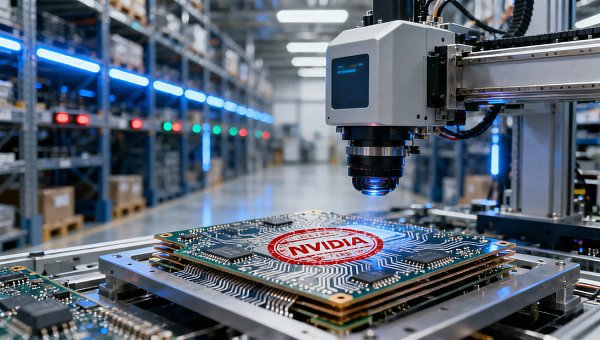
On May 13, 2026, Tongding Interconnect issued an official clarification denying any business relationship with NVIDIA. The announcement triggered heightened scrutiny among international buyers—particularly in North America and Europe—regarding marketing claims by Chinese suppliers referencing partnerships with global technology leaders. This incident underscores growing due diligence pressures on PCB and PCBA fabrication exporters, especially concerning verifiable customer endorsements and supply chain transparency.
Event Overview
On May 13, 2026, Tongding Interconnect released a public statement clarifying that it has no business ties with NVIDIA. The company specified that its optical fiber preform supplier, Corning (Hainan), functions solely as a raw material provider—not as a joint development partner or authorized component integrator for NVIDIA’s ecosystem.
Industries Affected
Direct Trading Enterprises
Export-oriented trading firms that position themselves as ‘channel partners’ or ‘authorized resellers’ of branded components face immediate reputational and contractual risk. Overseas procurement teams are now more likely to request evidence beyond press releases—including signed NDAs, product traceability records, and brand-specific authorization letters—before approving new vendor onboarding or contract renewals.
Raw Material Procurement Enterprises
Suppliers sourcing materials from tier-2 or tier-3 vendors (e.g., optical preforms, specialty laminates, or thermal interface materials) must now validate upstream affiliations more rigorously. Claims such as ‘supplies materials used in NVIDIA-certified systems’ may trigger audit requests; without documented linkage to end-product qualification processes, such statements carry increasing legal and commercial liability.
PCB/PCBA Fabrication Manufacturers
Contract manufacturers and EMS providers—especially those serving AI accelerator or data center hardware OEMs—are under mounting pressure to substantiate claims about design-in status or production volume for high-profile brands. Marketing language referencing ‘NVIDIA-aligned platforms’ or ‘AI infrastructure solutions’ is now subject to technical validation, not just branding alignment.
Supply Chain Service Providers
Third-party logistics, certification agencies, and compliance consultants must adapt their service frameworks to include endorsement verification modules—such as NDA-sanitized case studies, brand authorization template libraries, and standardized references to ISO/IEC 17025-accredited audit reports. Demand is rising for ‘endorsement-readiness assessments’ ahead of major tender cycles.
Key Focus Areas and Recommended Actions
Build a De-Identified NDA Case Library
Develop a searchable internal repository of client-approved, redacted project summaries—including scope, timeline, deliverables, and anonymized performance metrics—to demonstrate capability without violating confidentiality obligations.
Standardize Brand Authorization Documentation
Adopt modular, legally reviewed templates for terminal-brand authorization letters—tailored per jurisdiction (e.g., U.S. vs. EU GDPR-compliant versions)—and maintain version-controlled archives tied to specific product families or platform certifications.
Incorporate Third-Party Audit References into Proposals
Where permitted, cite relevant findings from accredited audits (e.g., IPC-A-610 Class 3 compliance, UL 796 certification, or IATF 16949 surveillance reports) to reinforce credibility—especially when referencing high-reliability applications like AI accelerators or network switches.
Editorial Perspective / Industry Observation
Observably, this incident reflects a broader shift in global procurement behavior: from evaluating suppliers based on narrative alignment to assessing them via evidentiary thresholds. Analysis shows that the ‘brand association premium’—once a low-cost differentiator in competitive bidding—is now a potential liability unless backed by auditable, chain-of-custody–verified documentation. From an industry perspective, the emphasis is no longer on *who* a supplier says it serves, but *how* that relationship is structured, governed, and validated across legal, technical, and operational layers.
Conclusion
This clarification does not signal a retreat from global branding efforts—but rather marks a maturation point in how PCB/PCBA fabrication enterprises engage with international supply chains. A rational conclusion is that credibility is increasingly transactional, not rhetorical: it accrues through repeatable verification mechanisms, not one-time announcements. For long-term resilience, systemic endorsement management—not opportunistic affiliation signaling—will define market leadership.
Source Attribution
Official clarification published by Tongding Interconnect on its Shanghai Stock Exchange disclosure platform (Announcement No. 2026-028), dated May 13, 2026. Additional context drawn from publicly available procurement guidelines issued by three Tier-1 U.S.-based AI infrastructure OEMs in Q1 2026. Ongoing monitoring advised for updates to IEEE P2891 (Supply Chain Endorsement Transparency Standard) draft revisions and EU Digital Product Passport implementation timelines.
The Archive Newsletter
Critical industrial intelligence delivered every Tuesday. Peer-reviewed summaries of the week's most impactful logistics and market shifts.