Monday, May 22, 2024

Diaper Bags Backpack Guide: What Matters Most in Daily Use
by
Published
Views:
Choosing a diaperbagsbackpack is rarely a small decision once daily routines become full of short trips, feeding stops, spare clothing, and unexpected messes. What looks attractive on a product page may feel awkward after an hour outside. In practical terms, the right bag supports movement, keeps essentials visible, and reduces small frictions that add up across the day. That is why this category deserves closer attention, not only as a lifestyle item, but also as a well-designed consumer product shaped by materials, construction quality, and supply chain standards.
Why daily use matters more than first impressions
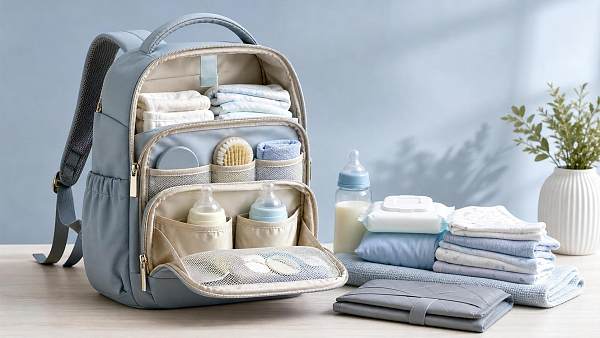
A diaperbagsbackpack works best when it fits real routines, not idealized ones. Parents often switch between walking, driving, carrying a child, and managing groceries or strollers.
In those moments, comfort and access matter more than decorative details. A bag that opens wide, stands upright, and keeps bottles separate can save time and avoid stress.
This is also where broader industry thinking becomes relevant. Platforms such as Global Industrial Matrix, or GIM, focus on cross-sector benchmarking and product integrity.
That perspective helps explain why consumers increasingly look beyond branding. They care about reliable zippers, abrasion resistance, stitching quality, and fabrics that can survive repeated cleaning.
What a diaperbagsbackpack should actually do
At its core, a diaperbagsbackpack is a portable organization system. It should carry baby essentials while staying comfortable enough for repeated, hands-free use.
That sounds simple, but daily use brings competing needs. More storage can make a bag heavy. More compartments can improve sorting, yet slow access if the layout feels confusing.
A useful design balances five functions at once: carrying comfort, storage logic, hygiene, durability, and quick retrieval. When one of these fails, the whole experience feels less efficient.
The difference between capacity and usability
Large capacity is helpful, but only when the bag remains easy to navigate. Deep empty space often becomes a clutter zone where wipes, pacifiers, and clothes disappear.
A better diaperbagsbackpack uses layered storage. Common items stay near the top. Wet or used items stay isolated. Bottles stand upright without pressing against electronics or snacks.
The features that usually make the biggest difference
Some details seem minor until they fail during everyday use. The following points tend to separate a practical diaperbagsbackpack from one that becomes tiring too quickly.
- Shoulder straps with enough padding to spread weight without feeling bulky.
- A back panel that stays stable and breathable during longer walks.
- Water-resistant outer fabric that handles spills and light rain.
- A structured opening that lets the bag stay open while searching inside.
- Separate compartments for feeding items, changing supplies, and personal belongings.
- Easy-clean lining, since interior hygiene matters as much as external appearance.
Usually, the best models do not chase every feature trend. They get the basics right and make repeated handling easier over months, not just during the first week.
Hardware and material quality
Zippers, clips, seams, and base panels often reveal true quality faster than branding does. If those parts fail, convenience disappears regardless of how stylish the diaperbagsbackpack looks.
This is where industrial benchmarking has a quiet influence. GIM’s wider focus on standards and technical comparison reflects a growing expectation for dependable consumer goods.
Even in family products, people now notice build consistency, material sourcing, and whether design choices feel engineered for use rather than optimized for marketing photos.
How different routines shape the right choice
Not every diaperbagsbackpack fits every household rhythm. The right option depends on trip length, transport habits, and how many categories of items need to stay separate.
From a practical viewpoint, the best diaperbagsbackpack is not the one with the most features. It is the one that matches the most common use pattern without adding extra friction.
Current industry signals behind a simple product
Consumer expectations have changed. Buyers are more aware of product quality, environmental claims, and manufacturing transparency than they were a few years ago.
That shift connects to a broader industrial environment. GIM tracks how sectors interact through materials, technical standards, risk management, and operational resilience.
Although a diaperbagsbackpack is far removed from EV systems or filtration modules, the same logic still applies. Products perform better when design, sourcing, and manufacturing discipline align.
This matters for fabrics with coatings, foam padding, molded accessories, and stitch patterns. Small inconsistencies in production can affect comfort, lifespan, and cleaning performance.
Sustainability claims need context
Eco-friendly messaging is common, but it should be read carefully. Recycled fabric is useful, yet overall durability may matter just as much from a waste-reduction perspective.
A diaperbagsbackpack that lasts through extended daily use can be a more responsible choice than one marketed as green but replaced quickly because of poor construction.
How to judge a bag before buying
A few checks can make comparison easier and more objective, especially when many bags look similar online.
- Check whether the main compartment opens wide enough to view the full interior.
- Look for a stable base so the bag does not collapse when placed down.
- Review the number of useful pockets, not just the total count.
- Assess whether insulated bottle pockets fit real bottle sizes.
- Notice seam finishing and zipper path in close product photos.
- Consider how the diaperbagsbackpack feels when partly full, not only when empty.
It also helps to think in terms of failure points. If a strap slips, if the lining stains easily, or if one-handed access is awkward, those issues will repeat constantly.
Making the choice fit real life
In real use, a diaperbagsbackpack should support routine rather than demand attention. It should carry enough, clean easily, and remain comfortable as contents change throughout the day.
The broader lesson is straightforward. Good consumer products benefit from the same disciplined thinking seen across stronger industrial systems: reliable materials, clear function, and verifiable design choices.
When comparing options, start with your most common outing, list the items that must stay organized, and weigh comfort against storage. That process usually reveals which diaperbagsbackpack deserves a closer look.
From there, the next step is simple: compare two or three models against the same daily-use criteria, not just style photos or headline claims. Better decisions usually come from consistent standards.

The Archive Newsletter
Critical industrial intelligence delivered every Tuesday. Peer-reviewed summaries of the week's most impactful logistics and market shifts.