Monday, May 22, 2024

Kinetic Art Materials That Improve Motion Stability and Maintenance
by
Published
Views:
Kinetic Art depends on precise material choices that keep motion smooth, balanced, and reliable over time.
As installations become larger, smarter, and more exposed, material decisions now shape safety, maintenance, and long-term operating cost.
This guide reviews metals, bearings, composites, coatings, and drive components that improve motion stability in dynamic artistic systems.
Kinetic Art Materials Are Becoming a Stability Decision
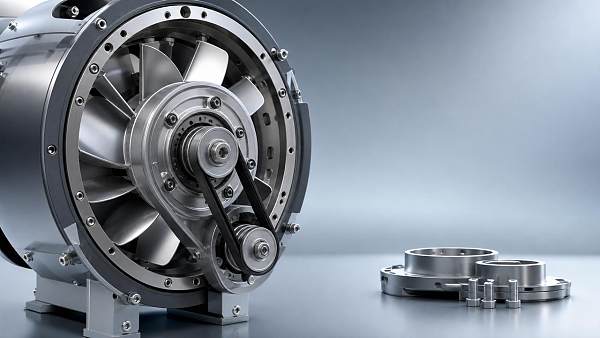
Kinetic Art is moving beyond decorative movement into engineered motion systems with repeatable performance expectations.
Public spaces, commercial interiors, transport hubs, and cultural venues increasingly require quieter, safer, and more serviceable installations.
This shift changes how Kinetic Art materials are evaluated during design, fabrication, installation, and maintenance planning.
The material question is no longer only visual. It is also mechanical, environmental, and operational.
A stable Kinetic Art structure depends on stiffness, fatigue resistance, friction control, corrosion protection, and predictable wear behavior.
Trend Signals Show Higher Expectations for Motion Reliability
Several market signals point toward more disciplined material selection for Kinetic Art projects.
Outdoor installations face stronger scrutiny because wind, moisture, dust, and temperature changes can disturb motion balance.
Indoor installations also face pressure to reduce noise, vibration, and service interruptions in high-traffic environments.
Digital control systems now expose mechanical weaknesses faster, especially when repeated motion cycles are precisely scheduled.
As a result, Kinetic Art reliability increasingly depends on compatibility between artistic intent and industrial-grade material behavior.
Key Drivers Behind the Material Shift
Metals Still Anchor Reliable Kinetic Art Structures
Metals remain central to Kinetic Art because they provide strength, precision, and predictable machining results.
Aluminum is widely used where low weight and corrosion resistance are important.
Its lighter mass reduces motor load, bearing stress, and energy demand in repetitive motion assemblies.
Stainless steel supports Kinetic Art exposed to moisture, cleaning chemicals, or coastal air.
It improves durability, although designers must account for higher weight and fabrication complexity.
Carbon steel remains useful for hidden frames, counterweights, and structural bases.
However, it usually needs protective coatings to prevent rust and surface degradation.
For precision Kinetic Art, metal selection should follow load paths, motion frequency, and environmental exposure.
Metal Selection Priorities
- Use aluminum for lightweight arms, panels, and balanced rotating elements.
- Use stainless steel where corrosion resistance outweighs added mass.
- Use carbon steel for rigid bases, counterweights, and concealed support frames.
- Avoid mixed metals without isolation when galvanic corrosion is possible.
Bearings and Bushings Define the Feel of Motion
In Kinetic Art, bearings often determine whether motion feels intentional or unstable.
Poor bearing selection can create wobble, noise, uneven acceleration, and premature shaft wear.
Sealed ball bearings are suitable for many rotating Kinetic Art components with moderate loads.
They reduce contamination risks and simplify routine maintenance in dusty or public spaces.
Needle bearings support compact assemblies where radial loads are high and space is limited.
Self-lubricating bushings help low-speed Kinetic Art pieces move quietly with fewer service points.
Polymer bushings also reduce metal-to-metal contact, which improves noise control and wear resistance.
The trend is toward sealed, low-maintenance interfaces that preserve alignment over many cycles.
Composites and Polymers Reduce Weight and Vibration
Composites are gaining importance in Kinetic Art because they combine low mass with design flexibility.
Carbon fiber is valuable for long moving arms that must resist bending without adding excessive weight.
Fiberglass offers a more accessible option for sculptural surfaces, covers, and semi-structural components.
Engineering plastics can support sliding, guiding, spacing, and damping functions within Kinetic Art mechanisms.
Materials such as acetal, nylon, UHMWPE, and PTFE reduce friction in selected contact zones.
These materials also help absorb micro-vibration that can otherwise amplify through metal structures.
However, polymers require careful review of creep, UV exposure, temperature range, and load duration.
A balanced Kinetic Art design often combines metal frames with polymer interfaces and composite moving elements.
Coatings Are Becoming Maintenance Tools, Not Finishing Details
Surface treatment now plays a larger role in Kinetic Art maintenance strategy.
Coatings protect surfaces, manage friction, improve cleaning, and slow the growth of small defects.
Anodizing is effective for aluminum parts that need corrosion resistance and controlled appearance.
Powder coating supports durable color finishes on static frames and protected moving parts.
PTFE-based or dry-film coatings can reduce friction where lubrication access is difficult.
Marine-grade coatings help outdoor Kinetic Art resist rain, salt, pollution, and temperature cycles.
The best coating choice depends on substrate, motion type, inspection access, and repair method.
Coating Decisions That Reduce Future Work
- Select coatings that match expected abrasion, not only visual requirements.
- Specify edge protection where water can enter drilled or cut sections.
- Avoid coatings that create tight tolerance issues in moving joints.
- Plan repair procedures before outdoor Kinetic Art is installed.
Drive Components Must Match Material Behavior
Motors, belts, gears, linkages, and shafts must be selected together with materials.
A lightweight Kinetic Art arm may still vibrate if drive torque is poorly controlled.
Timing belts provide quiet motion and reduce backlash in many moderate-load applications.
Gears provide compact power transfer but require alignment, lubrication, and suitable hardness pairing.
Flexible couplings protect shafts and bearings from slight misalignment during operation.
Counterweights reduce motor load and help Kinetic Art move with lower energy demand.
Motion stability improves when drive selection respects inertia, stiffness, damping, and maintenance access.
Operational Impact Spreads Across the Whole Lifecycle
Material choices affect every stage of a Kinetic Art project, from concept modeling to long-term service.
During fabrication, stable materials improve tolerance control, repeatability, and assembly alignment.
During installation, lighter components reduce lifting complexity and adjustment time.
During operation, better friction control reduces heat, noise, vibration, and unplanned stoppage.
During maintenance, accessible bearings, replaceable wear strips, and documented coatings simplify troubleshooting.
For Kinetic Art in public environments, this lifecycle view supports safer and more predictable performance.
Lifecycle Effects to Monitor
- Unexpected vibration after seasonal temperature changes.
- Bearing noise after dust exposure or cleaning activity.
- Coating wear at contact points and fastener edges.
- Drive belt stretch, gear backlash, or coupling fatigue.
- Surface corrosion near joints, drains, or concealed cavities.
What Future-Ready Kinetic Art Specifications Should Emphasize
Future-ready Kinetic Art specifications should connect artistic movement with measurable mechanical criteria.
This includes expected duty cycle, speed range, load direction, wind exposure, and allowable noise.
It also includes inspection frequency, replacement intervals, lubrication method, and emergency stop behavior.
Material selection should be documented with practical reasons, not treated as a hidden fabrication detail.
Practical Material Checklist for More Stable Motion
A practical checklist helps convert Kinetic Art concepts into maintainable motion systems.
- Define movement cycles, operating hours, and acceptable vibration levels early.
- Select metals by load path, exposure, weight, and fabrication tolerance.
- Use sealed bearings where contamination or limited access is expected.
- Apply polymer interfaces where quiet sliding or damping is useful.
- Choose coatings that support maintenance, not just appearance.
- Separate dissimilar metals when moisture could create galvanic corrosion.
- Document spare parts for bearings, belts, bushings, seals, and fasteners.
This approach makes Kinetic Art easier to inspect, repair, and adapt as operating conditions change.
A Better Path for Durable Kinetic Art
The strongest Kinetic Art outcomes come from treating materials as part of the motion strategy.
Stable metals, suitable bearings, smart polymers, protective coatings, and matched drives work together.
This integrated view reduces vibration, slows wear, improves safety, and makes maintenance more predictable.
Before the next Kinetic Art build, review the motion path, environment, service access, and material interfaces.
Then align each component with stability, durability, and practical maintenance requirements from the start.
The Archive Newsletter
Critical industrial intelligence delivered every Tuesday. Peer-reviewed summaries of the week's most impactful logistics and market shifts.