Monday, May 22, 2024

Why do stainless steel pet bowls rust?
by
Published
Views:
Noticed reddish spots on your pet’s stainless steel bowl? Although stainless steel resists corrosion, it can still rust when its protective surface is damaged or exposed to harsh cleaners, salt, or prolonged moisture.
If you’ve searched for stainlesssteelpetbowls to find out what’s happening, you’re not alone. This guide explains common causes, safe cleaning, and when replacement makes sense.
In most cases, a small surface stain does not mean the entire bowl has failed. First, clean and inspect it; replace it if corrosion has left pits, cracks, or rough areas.
Why Is My Stainless Steel Pet Bowl Rusting?
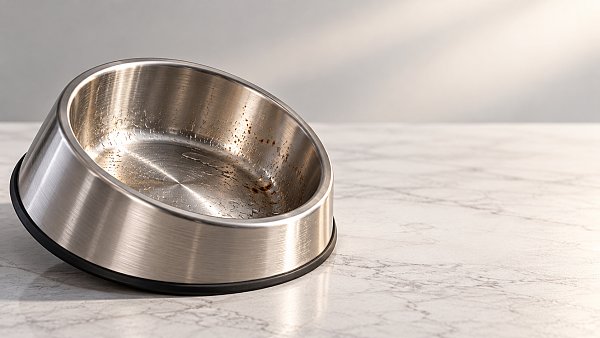
Stainless steel contains chromium, which forms a thin, protective oxide layer when exposed to oxygen. That layer usually repairs itself, but some conditions can overwhelm it.
Chloride exposure, harsh chemicals, trapped moisture, and contamination from ordinary steel can all contribute to reddish marks. Scratches and manufacturing defects may also make corrosion more likely.
Not every orange or brown mark is rust originating in the bowl. Mineral deposits, food residue, or iron transferred from another object can leave similar-looking stains.
The distinction matters because a removable surface deposit may leave smooth steel underneath. Actual corrosion can create pits or roughness that make the bowl harder to clean.
Is a Rusty Pet Bowl Safe to Use?
Stop using the bowl until you have cleaned and inspected it. A few reddish marks are not automatically an emergency, but their source and condition matter.
Replace the bowl if rust remains after cleaning, keeps returning, or has left visible pits, cracks, flaking, or rough spots, especially on surfaces touching food or water.
Damaged areas can trap residue and make thorough cleaning more difficult. A cracked or chipped rim can also injure your pet’s mouth or your hands.
If your pet has swallowed flakes, chewed a damaged bowl, or shows vomiting, diarrhea, mouth irritation, or unusual behavior, contact your veterinarian for advice.
Use a clean replacement bowl in the meantime. Do not rely on paint, sealant, or an improvised coating to cover damaged food-contact surfaces.
What Causes Rust Spots on a Pet Bowl?
Salt and chlorides
Salt contains chloride, which can attack stainless steel’s protective layer. Salty food, dried broth, and some water sources can leave concentrated residue as moisture evaporates.
Even a corrosion-resistant bowl can develop localized pits after repeated exposure, particularly when salty residue remains on its surface for long periods.
Rinse the bowl promptly after salty meals, wash it with mild dish soap, and dry it before storage. Avoid leaving saltwater or brine in it.
Bleach and harsh cleaners
Chlorine bleach and some strong cleaning products can damage stainless steel, particularly when concentrated, left in contact too long, or trapped in seams.
For routine cleaning, use warm water and mild dish soap. If disinfection is necessary, follow a product specifically labeled for food-contact items and its directions.
Those directions may specify dilution, contact time, and rinsing. Never mix bleach with vinegar, ammonia, or other cleaners, because hazardous gases can form.
Steel wool and transferred iron
Ordinary steel wool, wire brushes, and abrasive pads can scratch a bowl or leave tiny iron particles behind. Those particles may rust on the surface.
Contact with rusty utensils, sink racks, or metal cookware can cause similar contamination. A shared cleaning pad may transfer iron even when it looks clean.
Choose a soft sponge or non-metal brush reserved for pet dishes. If a deposit comes off and the surface underneath is smooth, inspect it again after washing.
Water, residue, and difficult-to-dry areas
Clean water does not automatically make stainless steel rust. However, prolonged moisture combined with salt, residue, or trapped contaminants can increase the risk of corrosion.
Check under removable rubber bases, around rolled rims, and near welded joints. These areas can retain moisture or food that is easy to miss.
Minerals in water can also leave spots or scale. A pale, chalky deposit is often mineral buildup, although color alone cannot reliably identify every stain.
Material quality and surface defects
Stainless steel comes in different grades and finishes. Some are more resistant to corrosion than others, but no grade is immune under every condition.
Poorly finished welds, crevices, embedded contaminants, or surface damage can create vulnerable spots. A new bowl that rusts quickly under normal care deserves closer inspection.
Contact the seller or manufacturer with photos and your cleaning history. Keep the bowl out of use while you assess whether replacement or a refund is appropriate.
How Can You Clean Rust Spots Safely?
For a few light surface marks, start gently. This approach can remove residue or transferred iron without unnecessarily scratching the food-contact surface.
Before cleaning, check the manufacturer’s care instructions. Do not use this process to salvage a bowl with obvious cracks, deep pits, peeling material, or sharp edges.
- Empty the bowl and wash it with warm water, mild dish soap, and a soft sponge. Rinse thoroughly to remove food and cleaner.
- For a remaining light mark, mix a small amount of baking soda with water to make a paste. Apply it with a soft cloth.
- Rub gently, rinse thoroughly with clean water, and wash again with dish soap. Avoid aggressive scrubbing, which can damage the finish.
- Dry the bowl completely with a clean towel. Inspect the stained area and the rest of the bowl under good light.
If the mark disappears and the steel underneath is smooth and intact, the bowl may be suitable for continued use. Monitor it for returning stains.
If the stain persists, the surface feels rough, or corrosion returns after normal washing, replace the bowl. Cleaning cannot restore metal lost to pitting.
Avoid oven cleaner, abrasive powders, metal scouring pads, and products not intended for food-contact surfaces. Do not leave cleaning residues where a pet can ingest them.
How Can You Tell Stains From Corrosion?
Wash the bowl first, then look closely in good light and carefully run a clean fingertip over the affected area. A smooth surface is reassuring, not conclusive.
A removable deposit sits on the surface. Once cleaned away, it should not leave holes, flaking, or an area that catches on a cloth.
Pitting looks like small holes or pinpoints in the metal. The surrounding area may be discolored, and the defect may remain after the surface stain is gone.
Rust returning in the same spot can indicate an underlying problem even if the bowl looked clean after washing. Replacement is the practical choice.
Be especially cautious around seams and rolled rims, where you may not be able to see or reach the full extent of the damage.
How Do You Keep a Stainless Steel Pet Bowl From Rusting?
Wash food bowls after each meal and water bowls at least daily, or sooner when dirty. Use mild dish soap, warm water, and a soft sponge.
Rinse thoroughly and dry with a clean towel, paying attention to the underside, rim, and any removable base. Let separate parts dry before reassembling them.
Keep a second bowl available so your pet always has fresh water while the other is being washed. Do not withhold drinking water to keep equipment dry.
If the manufacturer says the bowl is dishwasher-safe, follow its instructions. Position it so water can drain, and remove and dry it when the cycle ends.
Store clean bowls away from rusty tools and ordinary steel wool. Replace worn sponges regularly and inspect food-contact surfaces for scratches, pits, and recurring discoloration.
For outdoor bowls, empty and clean them regularly, and avoid leaving them in contact with lawn chemicals, salty splashes, or damp metal surfaces.
What Should You Look for in a Replacement Bowl?
Choose a bowl with a smooth, accessible interior and a stable base suited to your pet’s size. Fewer hard-to-reach seams make routine cleaning easier.
Look for clear material and care information from a reputable seller. A stated stainless steel grade can help you compare products, but labeling alone is not a guarantee.
Grade 304, sometimes identified as 18/8, is commonly used for food-contact products and generally offers good corrosion resistance. Verify claims with the manufacturer when information is unclear.
Grade 316 generally offers greater resistance to chloride exposure than 304, but it still needs proper care. Most household buyers need not assume it is essential.
Inspect the rim, welds, and underside before use. Avoid bowls with sharp edges, loose parts, damaged coatings, or areas that cannot be cleaned adequately.
A removable nonslip ring can be useful, but take it off for cleaning if the manufacturer permits. Trapped moisture beneath it can hide developing damage.
Frequently Asked Questions
Can a brand-new stainless steel bowl rust?
Yes. Contamination, surface defects, unsuitable cleaning chemicals, or chloride exposure can produce spots even on a new bowl. Document the issue and contact the seller.
Does rust mean the bowl is not stainless steel?
No. Stainless steel is corrosion-resistant, not corrosion-proof. Rust alone does not establish the material’s grade or prove that the seller’s description was inaccurate.
Should I throw away a scratched bowl?
Not every superficial scratch requires replacement. However, replace the bowl if scratches are deep, trap residue, develop corrosion, or make the surface difficult to clean.
Can I use vinegar to remove the marks?
Vinegar is sometimes used for mineral deposits, but it is not a remedy for pitting. Check manufacturer guidance, rinse thoroughly, and never mix vinegar with bleach.
The Bottom Line
Stainless steel pet bowls can rust when chlorides, harsh cleaners, transferred iron, or trapped residue compromise their protective surface. Some discoloration is a removable deposit instead.
Clean light marks gently and inspect the metal underneath. Replace the bowl when corrosion persists or leaves pits, cracks, flaking, or rough food-contact surfaces.
Regular washing, thorough rinsing, careful drying, and soft cleaning tools help protect the bowl. When in doubt about damage, choose a clean replacement for your pet.

The Archive Newsletter
Critical industrial intelligence delivered every Tuesday. Peer-reviewed summaries of the week's most impactful logistics and market shifts.