Monday, May 22, 2024

RV Battery Cycle Life Comparison Guide
by
Published
Views:
RV Battery Cycle Life Comparison Guide
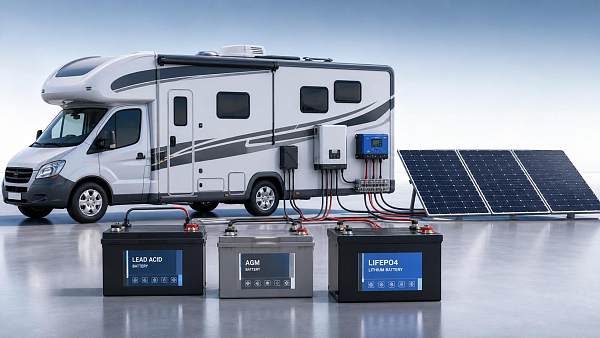
Choosing the right RV battery starts with long-term value, not sticker price alone.
This rv battery cycle life comparison explains how lead-acid, AGM, and lithium batteries perform over time.
The goal is simple: fewer replacements, steadier power, and less stress during travel.
Cycle life matters because RV batteries are charged and discharged repeatedly.
Every cycle slowly reduces capacity, especially when charging habits or temperatures are less than ideal.
A smart rv battery cycle life comparison looks beyond marketing labels and focuses on usable lifespan.
What Cycle Life Really Means in RV Use
Cycle life is the number of charge and discharge cycles a battery can deliver before capacity drops significantly.
Most manufacturers rate cycle life until the battery reaches about 80% of original capacity.
That sounds technical, but real-world use is easy to picture.
If you boondock often, run appliances overnight, and recharge daily, cycle life becomes a major buying factor.
If your RV stays plugged into shore power most of the time, calendar life may matter almost as much.
This is why any rv battery cycle life comparison should include depth of discharge, charging speed, and maintenance needs.
Three Terms That Affect Battery Lifespan
- Depth of discharge: deeper draining usually shortens life, especially for flooded lead-acid batteries.
- Charge acceptance: batteries that recharge faster recover better during short generator or solar windows.
- Temperature tolerance: high heat accelerates wear, while freezing conditions can limit charging safety.
RV Battery Cycle Life Comparison by Battery Type
Now let’s get into the core rv battery cycle life comparison.
The biggest differences show up in usable cycles, maintenance effort, and cost over several seasons.
Flooded Lead-Acid
Flooded batteries are often the cheapest starting point.
They can work well for light seasonal trips and basic power needs.
The downside is shorter cycle life, regular watering, venting needs, and slower charging.
In a practical rv battery cycle life comparison, flooded batteries usually lose value fastest under frequent deep discharge.
AGM Batteries
AGM batteries sit in the middle.
They are sealed, cleaner to use, and usually more vibration resistant than flooded options.
They still prefer moderate discharge limits, but maintenance is easier and charging can be more efficient.
For many owners, AGM feels like a safe upgrade without changing the full electrical system.
Lithium LiFePO4 Batteries
Lithium, especially LiFePO4, leads most rv battery cycle life comparison results by a wide margin.
It offers far more cycles, deeper usable capacity, lighter weight, and faster charging.
The initial price is higher, but cost per cycle is often much lower.
That becomes more obvious for full-time travel, solar setups, or frequent off-grid camping.
How Real-World Use Changes the Comparison
Spec sheets are helpful, but actual use tells the fuller story.
A reliable rv battery cycle life comparison should always consider your camping pattern.
Weekend and Seasonal Travel
If the RV is used a few times each year, AGM or even flooded batteries may still make financial sense.
Cycle demand stays lower, so premium lithium value takes longer to pay back.
Frequent Boondocking
If you depend on batteries every night, cycle life quickly becomes the priority.
Lithium usually wins because it handles deep discharge and rapid recharge much better.
Solar Charging Systems
Solar users often recharge in partial windows, not perfect full cycles.
Batteries with better charge acceptance make more of each sunny hour.
This is another reason lithium often rises to the top in rv battery cycle life comparison reviews.
Cold and Hot Weather
Heat shortens life across all chemistries.
Cold weather introduces another issue for lithium, because charging below freezing may require battery management protection.
That does not cancel lithium’s strengths, but it should influence product selection.
Cost Per Cycle: The Number That Matters Most
A better purchase decision often comes from cost per cycle, not purchase price.
This makes an rv battery cycle life comparison much more realistic.
A cheap battery replaced every two or three seasons may cost more over time.
A premium battery with several thousand cycles may reduce both replacements and charging inefficiency.
Simple Way to Estimate Value
- Check the battery price.
- Estimate realistic cycle life, not only headline claims.
- Factor in usable capacity, not just rated amp-hours.
- Add likely maintenance or charger upgrade costs.
- Divide total ownership cost by expected usable cycles.
This method quickly shows why the lowest upfront price is not always the lowest long-term cost.
How to Choose the Best Option for Your RV
The best rv battery cycle life comparison is the one matched to your travel habits.
Instead of chasing the most advanced battery, start with how you really use power.
- Choose flooded lead-acid if budget is tight and usage is light.
- Choose AGM if you want simple installation and moderate cycle improvement.
- Choose lithium if you travel often, rely on solar, or want the best long-term efficiency.
Before buying, also confirm charger compatibility, inverter settings, battery compartment space, and low-temperature protection.
That step prevents surprise upgrade costs after the battery arrives.
Final Takeaway
A useful rv battery cycle life comparison does more than rank battery chemistry.
It connects cycle life, charging behavior, climate, maintenance, and true ownership cost.
For occasional trips, AGM or flooded options may still work well.
For regular off-grid travel, lithium usually delivers the strongest long-term value.
Use this rv battery cycle life comparison as a decision tool, then match the battery to your actual travel routine.
That approach leads to more reliable power, fewer replacements, and smoother miles ahead.

The Archive Newsletter
Critical industrial intelligence delivered every Tuesday. Peer-reviewed summaries of the week's most impactful logistics and market shifts.