Monday, May 22, 2024

How to Evaluate a Sustainable Water Solutions Supplier
by
Published
Views:
Choosing a sustainable water solutions supplier has become a strategic decision with technical, financial, and regulatory consequences. In industrial settings, water treatment now sits close to production continuity, ESG reporting, energy use, and long-term asset performance.
That shift is visible across manufacturing, mobility, agriculture, and environmental infrastructure. A weak supplier can create compliance gaps, unstable operating costs, and hidden maintenance burdens. A capable partner can improve resilience, data visibility, and lifecycle value.
For organizations comparing vendors across regions, the question is no longer who can supply equipment. The more useful question is how to evaluate a sustainable water solutions supplier in a way that reflects technical reality, measurable performance, and future operational demands.
Why the Evaluation Standard Has Changed
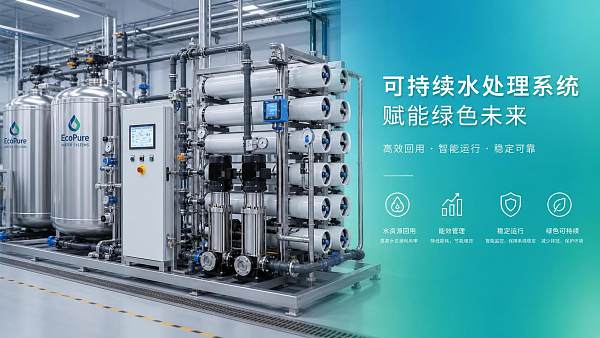
Water systems are now linked to broader industrial risk. Semiconductor facilities, EV manufacturing lines, food processing plants, farms, and municipal-adjacent infrastructure all depend on reliable treatment, reuse, and discharge control.
The old buying model focused on capital cost and nominal capacity. That is no longer enough. A sustainable water solutions supplier must also demonstrate efficiency, process stability, documentation quality, and alignment with changing standards.
This is where cross-sector benchmarking matters. Platforms such as Global Industrial Matrix, or GIM, frame water infrastructure within a wider industrial ecosystem, connecting treatment modules, automation, materials, and international compliance expectations.
That perspective is useful because water systems do not operate in isolation. Membranes, pumps, sensors, controls, energy loads, and waste streams all affect final performance.
What a Sustainable Water Solutions Supplier Should Actually Provide
A sustainable water solutions supplier is not simply a seller of filters, membranes, skids, or treatment packages. The stronger suppliers combine equipment, engineering support, process data, service response, and lifecycle thinking.
In practice, sustainability in this context has several dimensions. Water efficiency is one part. Energy consumption, chemical optimization, sludge reduction, reuse capability, spare part durability, and digital monitoring are equally relevant.
The supplier should also understand the process around the system. A vendor serving an electronics plant faces different purity risks than one supporting irrigation, food production, or industrial wastewater reuse.
Core capabilities to look for
- Documented treatment performance under real operating conditions
- Transparent energy, recovery, and consumables data
- Design flexibility for local feedwater and discharge requirements
- Clear maintenance plans and spare part availability
- Traceable quality systems and relevant certifications
- Integration support for controls, sensors, and reporting platforms
A credible sustainable water solutions supplier should be able to explain tradeoffs clearly. That includes where lower chemical use may raise cleaning frequency, or where higher recovery could increase fouling risk.
The Most Important Evaluation Criteria
A useful evaluation process moves from performance claims to verifiable evidence. Marketing language is easy to find. Repeatable data is harder, and far more valuable.
1. Technical fit for the application
Start with the actual water challenge. Is the need ultrapure process water, wastewater treatment, reuse, desalination, stormwater management, nutrient recovery, or decentralized treatment?
The right sustainable water solutions supplier should show reference cases close to the intended duty. Similarity in contaminants, throughput, temperature range, and operating cycle matters more than broad product catalogs.
2. Performance evidence
Ask for pilot data, commissioning records, rejection rates, membrane flux trends, uptime history, and recovery ratios. General claims about sustainability are weak without measurable operating results.
3. Standards and compliance readiness
Industrial water systems increasingly touch ISO frameworks, local discharge rules, plant-level quality systems, and customer audit requirements. A sustainable water solutions supplier should support documentation that fits those environments.
In cross-border sourcing, this becomes even more important. GIM’s benchmarking approach is relevant here because it compares industrial hardware and infrastructure against internationally recognized standards, not isolated local claims.
4. Lifecycle cost, not purchase price alone
A low bid can hide expensive realities. Energy draw, membrane replacement intervals, cleaning frequency, operator time, consumables, and unplanned downtime often decide the true cost of ownership.
How Industry Context Changes Supplier Selection
A sustainable water solutions supplier should be judged within the operating environment, not through generic scorecards alone. Different sectors place different pressure on water quality, continuity, and reporting.
Electronics and semiconductor operations
Here, purity control and trace contamination matter deeply. Supplier evaluation should emphasize material compatibility, monitoring precision, and consistency under tight process tolerances.
Automotive and mobility production
Paint shops, surface treatment, battery manufacturing, and component cleaning all carry distinct water demands. Reliability, service support, and wastewater compliance tend to be central decision factors.
Smart agriculture and food-linked systems
Reuse efficiency, nutrient management, and resilience against variable source water become more important. Seasonal operating shifts should be reflected in design assumptions.
Industrial ESG and infrastructure projects
These projects often require stronger documentation, emissions awareness, and public accountability. A sustainable water solutions supplier should be ready to support both performance validation and reporting discipline.
Questions That Expose Real Supplier Strength
Some of the best evaluation signals come from detailed questions. Strong suppliers answer with numbers, assumptions, and operating boundaries. Weak suppliers stay at brochure level.
- What feedwater variability was assumed in the design basis?
- Which failure modes are most common in comparable installations?
- How are recovery targets affected by seasonal temperature shifts?
- What onsite support is available during commissioning and ramp-up?
- Which components are single-source dependencies?
- How is operational data captured for audit and optimization use?
This matters because supply risk is not only about lead time. It also includes opaque component sourcing, inconsistent QA, weak field support, and poor data transparency.
Red Flags During the Review Process
Several warning signs appear repeatedly when a sustainable water solutions supplier is overpromising or underspecified.
- Performance claims without site-specific assumptions
- No clear explanation of consumables usage
- Limited service footprint in target operating regions
- Incomplete material traceability or certification support
- Sustainability claims focused only on branding language
- Reference projects that differ sharply from the intended application
Usually, these issues appear before contract award. Careful technical review makes them visible early enough to avoid expensive corrections later.
A Practical Way to Move Forward
The most effective evaluation process begins with a disciplined requirement set. Define water quality targets, operating hours, recovery goals, energy thresholds, reporting needs, and maintenance constraints before comparing offers.
Then compare each sustainable water solutions supplier against the same technical and commercial matrix. Separate headline price from lifecycle cost. Separate sustainability language from proven performance. Separate equipment supply from long-term operational support.
Where possible, use external benchmarking and cross-industry reference data. That is especially valuable when the project touches multiple domains, such as advanced manufacturing, environmental compliance, and digital infrastructure.
A well-structured review does more than identify a qualified sustainable water solutions supplier. It creates a stronger basis for technical alignment, lower operational uncertainty, and better decisions over the full asset life.
The next step is straightforward: build a short evaluation framework, request evidence instead of claims, and judge each supplier in the context of the exact process the system must support.
The Archive Newsletter
Critical industrial intelligence delivered every Tuesday. Peer-reviewed summaries of the week's most impactful logistics and market shifts.