Monday, May 22, 2024

India Imposes 90-Day Fuel Purchase Limits
by
Published
Views:
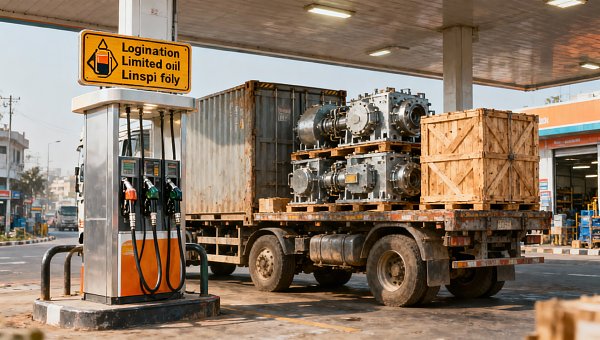
India began a 90-day gasoline and diesel purchase restriction on June 12, 2026, aiming to ease fuel supply pressure through tighter controls on access and buying volume. For companies involved in inland logistics, equipment delivery, and project scheduling, the development is worth close attention because it may raise road transport costs and extend lead times for Wastewater & Filtration modules, Carbon Capture Tech equipment, and large Hardware Components moving through domestic distribution networks.
What the new restriction currently confirms
Based on the information provided, the Indian government put the measure into effect on June 12, 2026, with a duration of 90 days. The restriction bars institutional users such as trucking companies from buying gasoline or diesel at fuel stations serving individual consumers, while also placing a daily diesel purchase limit on ordinary consumers. The stated purpose is to relieve tight fuel supply conditions.
Where pressure may emerge across operations
Inland transport and logistics execution
From an industry perspective, freight operators and supply chain service providers may face the most immediate disruption because fuel access is directly tied to vehicle dispatch and route continuity. The main impact may appear in truck availability, scheduling efficiency, and delivery timing, especially where inland transfers depend on frequent refueling through retail-facing stations.
Heavy and project-based equipment movement
Analysis shows that businesses handling Wastewater & Filtration modules, Carbon Capture Tech equipment, and large Hardware Components may be more exposed than lighter, easier-to-store goods. The reason is not product demand itself, but the likely effect on inland consolidation, staging, and final delivery efficiency when road transport becomes more constrained or expensive.
Procurement and receiving teams
Buyers, project owners, and receiving teams may need to pay closer attention to delivery windows and handover coordination. If transport costs rise and shipment cycles lengthen, the operational effect may show up in revised receiving schedules, slower site readiness, or tighter coordination requirements between suppliers, logistics partners, and end users.
What companies should watch in the next 90 days
Changes in official wording and enforcement
What deserves closer attention is whether the implementation remains stable in practice or is clarified further through follow-up official communication. For affected businesses, the difference between a published restriction and its on-the-ground enforcement can materially influence dispatch planning and fuel sourcing arrangements.
Products with large inland handling needs
Companies moving bulky or technically sensitive equipment should monitor whether inland transfer points, warehousing handoffs, or final-mile arrangements become slower or more costly. This matters especially when delivery sequences are tightly linked to installation, commissioning, or project deadlines.
Supplier documents and fulfillment timing
Observably, supplier qualification, transport arrangements, and committed delivery timelines may need closer review during the restriction period. Firms should pay attention to whether counterparties can still meet agreed schedules under tighter fuel access conditions and whether supporting shipment documentation and communication records remain aligned with any timing changes.
Customer communication and contingency planning
For commercial teams and account managers, a practical priority is to distinguish between confirmed policy facts and shipment-level uncertainty. Clear communication on possible lead-time adjustments, delivery sequencing, and contingency preparation may reduce friction if road transport conditions become less predictable during the 90-day window.
Why this looks like an operational signal, not a settled long-term shift
Analysis shows that this development is best understood first as an operational constraint with immediate supply chain implications rather than as a confirmed long-term restructuring of the market. The measure has a defined 90-day duration, but its business relevance is real because temporary transport friction can still affect cost, scheduling, and inland distribution efficiency. At the same time, it remains too early to treat every downstream effect as fixed, since the eventual impact will depend on how the restriction is implemented and whether any further adjustments follow.
How to read the development now
At this stage, the measure is more appropriate to understand as a short-term policy response with meaningful implications for logistics-heavy industrial activity. It does not by itself confirm a lasting change in demand or market structure, but it does signal that fuel access conditions can quickly become a delivery-side risk for equipment and component flows that rely on road transport inside India. For industry participants, the key issue is not only fuel policy itself, but how it translates into inland execution during the restriction period.
Basis of this article and points for continued verification
This article is generated from the user-provided news title, event date, and event summary. For this type of development, relevant source categories would typically include official government notices, company announcements, industry association updates, authoritative media reporting, and standard-setting or regulatory documents. No specific official source link was provided in the input, so the exact official documentation still needs continued verification. Follow-up attention should focus on any updated official wording, implementation details, and signs of how the restriction affects transport timing and inland delivery execution in practice.
The Archive Newsletter
Critical industrial intelligence delivered every Tuesday. Peer-reviewed summaries of the week's most impactful logistics and market shifts.