Monday, May 22, 2024

Dash Cams With Night Vision: Key Features That Matter
by
Published
Views:
Dash Cams With Night Vision: Key Features That Matter
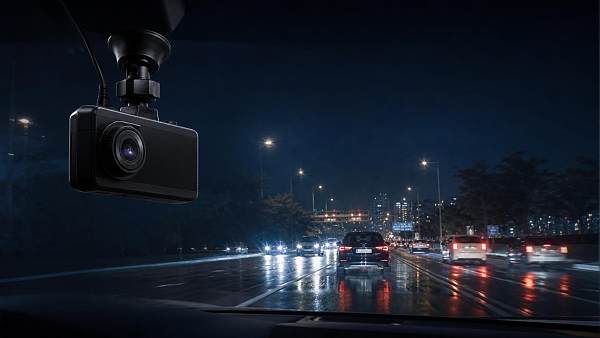
Choosing dash cams with night vision can change what your camera actually captures after dark. That matters when details, timing, and proof become more important than ever.
Many buyers focus on resolution first. In real use, low-light performance often matters more than headline specs printed on the box.
A camera can record in 4K and still miss a plate number at night. Glare, motion blur, weak sensors, and poor processing are usually the reasons.
This guide breaks down how to compare dash cams with night vision in a practical way. The goal is simple: buy a model that works when conditions are difficult.
From a buying perspective, the best choice is rarely the one with the longest feature list. It is the one that balances image clarity, reliability, storage, and ease of use.
Why Night Vision Quality Matters More Than Marketing Claims
Not all dash cams with night vision perform the same way. Some brighten the scene, but still fail to preserve useful detail.
That difference becomes obvious on dark suburban roads, rainy highways, parking lots, and streets with uneven lighting. These are the places where evidence quality can fall apart.
Good night vision is not just about seeing shapes. It is about reading road signs, capturing lane positions, and keeping moving objects recognizable.
A useful low-light dash cam should handle headlights without blowing out the image. It should also keep shadow areas visible without adding heavy noise.
This also means buyers should ignore vague claims like “super night mode” unless real specifications support that promise.
Key Features to Check Before Buying Dash Cams With Night Vision
If you are comparing models, start with the features that directly affect low-light footage. These factors matter more than flashy packaging.
1. Sensor Size and Sensor Quality
The image sensor is the core of every dash cam with night vision. A better sensor captures more light and produces cleaner footage.
Larger sensors usually perform better at night. They reduce grain and help preserve detail in darker scenes.
Look for trusted sensor brands and real low-light performance samples. This is often more useful than resolution alone.
2. Aperture and Lens Quality
A wider aperture lets more light reach the sensor. That helps dash cams with night vision record clearer video in dim environments.
Lens quality matters too. A weak lens can soften the image, create flare, or reduce edge clarity.
When possible, look for glass lens construction and an aperture around f/1.8 or similar. It is not a guarantee, but it is a strong sign.
3. HDR or WDR Processing
HDR or WDR helps balance bright and dark areas in the same frame. This is especially useful when headlights and street shadows appear together.
Without it, bright light can wash out the road ahead. Important details may disappear even if the camera technically records everything.
For night driving, this is one of the most practical features in dash cams with night vision. It improves usable evidence, not just visual brightness.
4. Frame Rate and Motion Handling
Night footage often fails during motion, not when the car is still. That is why frame rate and exposure balance matter.
A camera that overexposes for brightness may introduce blur. A moving plate number can become unreadable in a second.
Well-tuned dash cams with night vision keep a better balance between brightness and sharpness. Reviews with real driving footage are valuable here.
5. Video Resolution That Supports Real Detail
Higher resolution helps, but only if the sensor and lens can support it. Otherwise, the footage may look detailed but remain unclear.
For many buyers, 1440p is a strong middle ground. Good 1080p can also outperform weak 4K at night.
The smarter comparison is not “Which has more pixels?” but “Which records cleaner night detail under motion and glare?”
Useful Extras That Improve Everyday Ownership
Once the core imaging features look solid, the next step is checking the features that affect daily convenience and long-term reliability.
- Parking mode helps protect the vehicle when it is unattended at night.
- GPS logging adds speed and location data that can support incident context.
- Wi-Fi and app access make it easier to review and save clips quickly.
- Capacitors often handle heat better than battery-based designs.
- Loop recording and impact lock features help preserve important files automatically.
These extras do not replace image quality. Still, they often determine whether dash cams with night vision feel dependable after the first week of use.
Common Buying Mistakes to Avoid
A smarter buying decision often comes from avoiding a few common mistakes. Several issues show up again and again in buyer reviews.
- Buying based on resolution alone, while ignoring sensor and HDR performance.
- Assuming infrared LEDs matter for forward road footage in every situation.
- Choosing an ultra-wide lens that reduces plate readability at distance.
- Ignoring memory card requirements and long-term recording stability.
- Skipping real night sample videos before making a final choice.
From a practical standpoint, night driving exposes weaknesses fast. If a model struggles with glare or blur, ownership frustration usually follows.
How to Compare Dash Cams With Night Vision Side by Side
A side-by-side comparison makes the decision easier. Focus on measurable buying criteria, not just promotional wording.
This kind of comparison keeps the decision grounded. It also helps narrow down which dash cams with night vision fit real driving conditions.
Which Type Fits Different Driving Needs
The best model depends on how and where the vehicle is used. Different patterns create different priorities.
For city driving, glare control and motion clarity matter most. Traffic lights, headlights, and close spacing make HDR especially useful.
For highway driving, stable sharpness at speed matters more. Long-distance readability becomes a bigger factor than extreme field of view.
For overnight street parking, parking mode and power management become essential. A great night camera means less if it cannot monitor when parked.
For rideshare or dual-channel use, interior and rear performance should be reviewed separately. Not all dash cams with night vision handle every camera angle equally well.
A Simple Decision Checklist
Before buying, use a short checklist to filter out weak options fast. This keeps the search practical and less overwhelming.
- Check real night sample footage, not only daylight demonstrations.
- Confirm the sensor, HDR support, and lens details.
- Compare moving plate clarity, not just parked-car sharpness.
- Review parking mode, storage compatibility, and heat tolerance.
- Choose the model that fits driving habits, not generic rankings.
In the end, the best dash cams with night vision are the ones that stay clear, stable, and trustworthy when visibility is poor.
If you are making a final choice today, prioritize verified low-light footage first. Then use features, price, and convenience to break the tie with confidence.

The Archive Newsletter
Critical industrial intelligence delivered every Tuesday. Peer-reviewed summaries of the week's most impactful logistics and market shifts.