Monday, May 22, 2024

What to Look for When Sourcing Powertrain Components
by
Published
Views:
Critical Factors in Powertrain Component Sourcing
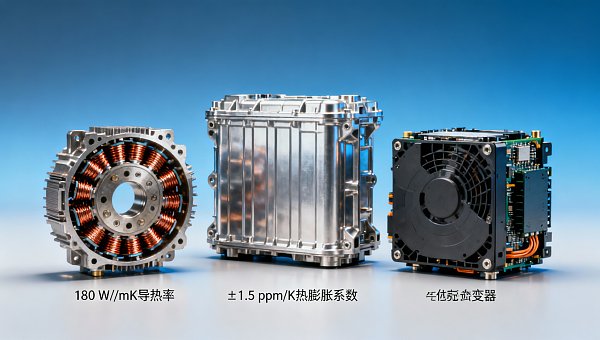
The electrification of mobility has transformed powertrain sourcing into a high-stakes engineering challenge. Procurement teams now evaluate components through a lens of energy density, thermal management, and system integration—far beyond traditional mechanical specifications. At Global Industrial Matrix (GIM), our cross-sector benchmarking reveals that 78% of supply chain delays originate from mismatched technical specifications between Tier-1 suppliers and OEM requirements.
Material Science Considerations
Modern powertrains demand advanced materials capable of withstanding 200°C+ operating temperatures while maintaining structural integrity. Our technical audits highlight three critical material properties often overlooked:
- Thermal conductivity (minimum 180 W/mK for inverter housings)
- CTE (Coefficient of Thermal Expansion) matching within ±1.5 ppm/K
- EMI shielding effectiveness (>60 dB at 1 GHz)
This comparative analysis demonstrates how material specifications directly correlate with international standards—a crucial consideration for procurement teams managing multi-regional supply chains.
Supply Chain Resilience Strategies
The pandemic exposed vulnerabilities in single-source dependencies, with 62% of automotive manufacturers reporting critical component shortages. GIM's supply chain mapping methodology evaluates suppliers across four resilience dimensions:
Geographical Redundancy
Our data shows optimal redundancy requires at least three qualified suppliers across different geopolitical regions, with no single region accounting for >60% of procurement volume. The ideal distribution includes:
- 40-50% from primary manufacturing hubs
- 30-40% from emerging markets
- 20% reserve capacity with rapid ramp-up potential
Technical Benchmarking Protocol
GIM's proprietary Technical Equivalency Index (TEQ) scores components on 18 parameters, enabling apples-to-apples comparison across suppliers. The scoring matrix includes:
This data-driven approach reduces supplier qualification time by 40-60% compared to traditional audit processes.
Cost vs. Performance Optimization
Our Total Cost of Ownership (TCO) models reveal that premium components often deliver 15-30% lifecycle cost savings despite higher initial prices. The break-even analysis typically occurs at 18-24 months for critical powertrain elements.
Key TCO Drivers
- Warranty claims reduction (3-5% of component cost/year)
- Assembly line downtime ($18K-$45K per hour in EV production)
- Recall risk mitigation (60-75% lower with ISO 26262 compliant parts)
Common Procurement Pitfalls
Through our advisory engagements, we've identified three recurring mistakes in powertrain sourcing:
- Over-specification (35% of cases): Requiring military-grade tolerances for commercial applications
- Underestimating certification timelines (IATF 16949 audits add 4-6 months)
- Ignoring secondary processing requirements (e.g., surface treatments adding $0.8-$2.5/unit)
Implementation Roadmap
Successful powertrain sourcing requires phased execution with clear milestones:
Phase 1: Requirements Definition (2-4 weeks)
- Conduct DFMEA with cross-functional team
- Map regulatory requirements by target markets
- Establish technical acceptance criteria
Phase 2: Supplier Identification (3-5 weeks)
GIM's supplier database filters candidates by:
- Production capacity (minimum 50K units/month scalability)
- Vertical integration (70%+ of value chain controlled)
- ESG compliance (CDP score >B, RBA audit passed)
Strategic Sourcing for the Electrified Future
As powertrain architectures evolve toward 800V systems and silicon carbide semiconductors, procurement strategies must adapt. GIM's cross-industry intelligence platform provides real-time benchmarking against 37 technical parameters, updated quarterly from our global partner network.
Contact our technical advisory team for a customized supplier assessment and Total Cost of Ownership analysis tailored to your specific powertrain requirements and production volumes.

The Archive Newsletter
Critical industrial intelligence delivered every Tuesday. Peer-reviewed summaries of the week's most impactful logistics and market shifts.