Monday, May 22, 2024

CCTV Systems: Key Features That Matter Most
by
Published
Views:
CCTV Systems: Key Features That Matter Most
In today’s risk-sensitive industrial environment, CCTVsystems are no longer just surveillance tools.
They support security, compliance, and day-to-day operational visibility across complex sites.
That shift makes feature evaluation more important than brand promises or headline specifications.
For industrial buyers, the best CCTVsystems are the ones that stay reliable under pressure.
They should deliver clear evidence, reduce blind spots, and fit existing digital infrastructure.
This also means looking beyond cameras alone and assessing the full monitoring architecture.
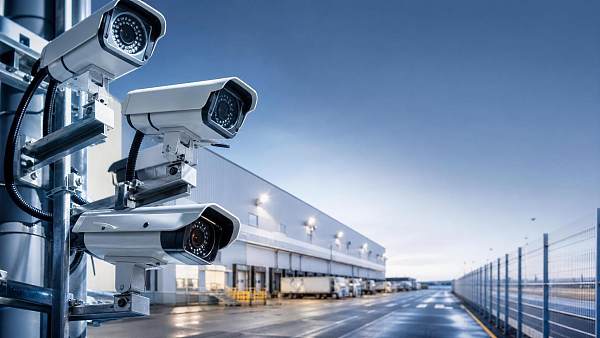
From recent market changes, one signal stands out.
Modern CCTVsystems are increasingly expected to support analytics, integration, and long-term risk control.
In real operations, that makes feature selection a strategic decision, not just a procurement task.
Why CCTVsystems Need a Broader Evaluation Lens
Many teams still compare CCTVsystems by camera count, storage size, and quoted price.
That approach often misses the features that affect uptime, evidence quality, and total lifecycle cost.
A factory, logistics hub, or infrastructure site has different demands than a small retail location.
Lighting changes, dust, vibration, weather, and network instability all influence system performance.
So the right buying question is simple.
Which CCTVsystems keep delivering usable data in demanding conditions?
That question aligns well with how industrial benchmarking platforms such as Global Industrial Matrix approach technical comparison.
The goal is not generic surveillance coverage.
The goal is verified performance across security, operations, and compliance requirements.
Image Quality Still Sits at the Core
Clear video remains the foundation of all effective CCTVsystems.
If footage cannot identify faces, incidents, or process anomalies, other features add limited value.
Resolution matters, but sensor quality matters just as much.
A lower-quality sensor with inflated resolution often performs poorly in low light or motion-heavy scenes.
When reviewing CCTVsystems, prioritize these image factors:
- Low-light performance for night shifts, yards, and perimeter zones.
- Wide dynamic range for entrances, loading bays, and mixed indoor-outdoor views.
- Motion clarity for fast-moving vehicles, forklifts, and people.
- Lens suitability for wide coverage or precise identification points.
This is where spec sheets can be misleading.
In practical evaluation, sample footage under realistic conditions tells a more accurate story.
For decision-making, ask vendors for day, night, and backlit test recordings from similar environments.
Reliability and Environmental Durability Matter More Than Extras
One of the most overlooked selection factors is physical resilience.
CCTVsystems often fail not because software is weak, but because hardware cannot handle site realities.
Industrial zones expose devices to heat, moisture, dust, vibration, and power fluctuations.
That makes enclosure ratings, component stability, and operating temperature range very important.
More clearly, the best CCTVsystems are not always the most feature-heavy.
They are the systems that keep recording when conditions are less than ideal.
When comparing options, check whether the solution includes:
- Weather-resistant housings for outdoor deployment.
- Impact resistance for exposed or high-traffic locations.
- Stable performance under temperature extremes.
- Backup power support or failover recording capability.
These features reduce downtime and protect evidence continuity.
In multi-site operations, that can directly lower maintenance burden and incident response risk.
Smart Analytics Should Support Action, Not Create Noise
Analytics are now a central talking point in CCTVsystems selection.
But not every AI feature creates measurable value.
The most useful analytics reduce manual review and highlight real exceptions.
The weaker ones generate alerts that teams quickly learn to ignore.
So, focus on operational fit.
Useful CCTVsystems analytics often include intrusion detection, line crossing, occupancy tracking, and anomaly alerts.
In industrial settings, these tools can support safety control, perimeter monitoring, and workflow visibility.
Before choosing a system, test whether analytics stay accurate in rain, shadows, glare, or crowded scenes.
That is often where real performance gaps become visible.
Questions Worth Asking About Analytics
- Can alerts be tuned by zone, schedule, or risk level?
- How many false alarms appear in realistic field conditions?
- Can analytics run at the edge if bandwidth is limited?
- Does the platform connect alert data with video evidence quickly?
Storage, Cybersecurity, and System Integration Are Decision Drivers
As CCTVsystems become more connected, video storage and cyber protection become harder to separate.
Recorded footage has compliance value, legal value, and operational value.
That means access control, encryption, retention rules, and audit trails should be part of evaluation.
A cheaper system may cost more later if it creates security gaps or fragmented data management.
At the same time, integration is becoming a stronger purchase criterion.
Many organizations want CCTVsystems that work with access control, alarm platforms, SCADA-adjacent monitoring, or centralized dashboards.
This reduces data silos and makes incident review much faster.
A practical comparison table can help narrow options:
For informed selection, these areas deserve the same weight as image quality.
Scalability and Lifecycle Cost Often Decide Long-Term Value
The best CCTVsystems should fit current needs without limiting future expansion.
A system that works for one facility may struggle across regional plants or distributed assets.
Scalability covers more than adding cameras.
It also includes user management, bandwidth planning, analytics performance, and centralized maintenance.
This is especially relevant for organizations managing diverse industrial environments.
Global Industrial Matrix reflects this cross-sector reality by comparing technologies through performance, standards alignment, and operational context.
That perspective is useful when CCTVsystems must support broader resilience goals, not isolated site needs.
Lifecycle cost should also be reviewed carefully.
Initial hardware pricing is only one part of the equation.
Support contracts, software licensing, storage growth, replacement cycles, and downtime risk all matter.
A Simple Evaluation Checklist
- Define the operational goal for each camera zone.
- Review image quality using real site conditions.
- Check durability against environmental stress.
- Test analytics for false positives and usability.
- Confirm cybersecurity controls and retention policies.
- Assess integration with existing platforms and workflows.
- Model five-year cost, not just purchase price.
How to Choose CCTVsystems With More Confidence
Choosing CCTVsystems is really about reducing uncertainty.
You want clear footage, dependable uptime, manageable alerts, secure storage, and room to scale.
More importantly, you want those capabilities to hold up in real industrial conditions.
That is why disciplined comparison matters more than feature volume.
The strongest CCTVsystems combine technical reliability with practical decision value.
They help teams see risks sooner, investigate faster, and operate with better control.
If you are comparing options now, start with the features that protect performance over time.
That approach will make any CCTVsystems shortlist more accurate, more defensible, and far more useful in practice.
The Archive Newsletter
Critical industrial intelligence delivered every Tuesday. Peer-reviewed summaries of the week's most impactful logistics and market shifts.