Monday, May 22, 2024

Digital Cameras: Key Specs That Matter Before You Buy
by
Published
Views:
Choosing between digital cameras is no longer a simple megapixel race. Many models promise sharper images, smarter autofocus, and faster shooting, yet the real difference often appears in everyday use, not on a retail spec card.
That makes careful comparison more valuable than impulse buying. In a broader electronics landscape shaped by technical benchmarking and component transparency, the same mindset promoted by Global Industrial Matrix applies here: focus on the specifications that affect performance, durability, and long-term fit.
For anyone comparing digital cameras for travel, family moments, content creation, or hobby photography, the best choice usually comes from understanding how key specs work together rather than chasing the most advertised number.
Why camera specs deserve a closer look
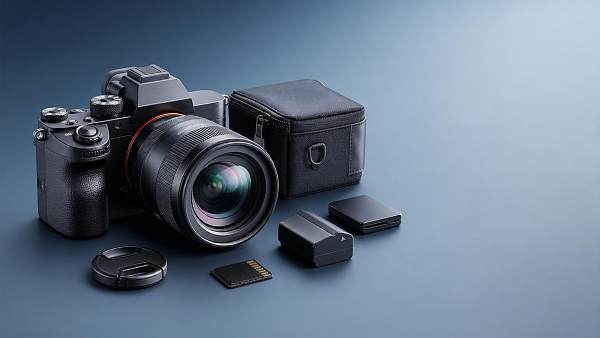
Digital cameras sit at the intersection of optics, sensors, processors, software, and battery systems. That is why two products with similar prices can deliver very different results in low light, moving subjects, or long shooting sessions.
From an industry perspective, this category also reflects larger shifts in semiconductor design, miniaturized components, and image-processing efficiency. Better chips and smarter firmware improve autofocus accuracy, noise control, and video stability.
In practical terms, camera specs matter because they affect how often a camera helps rather than frustrates. A technically impressive model is not always the most useful one if its controls, battery life, or lens options do not suit real shooting habits.
The core specs that influence image quality
Image quality starts with the sensor, but it does not end there. When comparing digital cameras, a few specifications deserve more attention than others.
Sensor size matters more than megapixels alone
Megapixels tell you how much detail a camera can capture, but sensor size has a stronger impact on light gathering, dynamic range, and low-light performance.
A larger sensor usually produces cleaner images at higher ISO settings. It also helps create more natural background blur, which many people want for portraits or product shots.
For most buyers, 20 to 33 megapixels is already sufficient. More resolution helps for large prints or cropping, but it is not automatically better for every situation.
Lens quality shapes the final result
Even strong sensors cannot compensate for weak optics. Lens sharpness, aperture range, distortion control, and stabilization can change image quality more than a modest difference in megapixels.
With interchangeable-lens digital cameras, it is wise to consider the total lens ecosystem. A body may look attractive today, but limited lens choices can reduce value over time.
For compact models, the practical question is zoom quality versus lens brightness. A very long zoom is useful, but a brighter lens often performs better indoors or after sunset.
Image processor and color science
The processor influences speed, noise reduction, subject recognition, and color rendering. Two digital cameras with similar hardware can produce noticeably different JPEG results because of processing choices.
This is especially relevant for people who prefer sharing images quickly without heavy editing. Pleasant color, reliable skin tones, and balanced contrast can save time and improve satisfaction.
Performance specs that affect everyday shooting
A camera can produce beautiful stills and still feel limiting in actual use. Responsiveness often determines whether digital cameras feel easy, dependable, and enjoyable.
Autofocus and subject tracking
Autofocus quality matters for children, pets, sports, street scenes, and casual video. Modern systems now detect eyes, faces, vehicles, and animals with impressive consistency.
Look beyond marketing labels. Check how well the camera tracks movement in low light, handles backlit scenes, and recovers focus if the subject briefly leaves the frame.
Burst speed and buffer depth
Frames per second sounds impressive, but buffer depth is just as important. A fast burst rate means little if the camera stalls after a short sequence.
For action or wildlife, choose digital cameras that can maintain speed long enough for real moments. Memory card compatibility also matters because write speed affects recovery time.
Stabilization and low-light usability
In-body image stabilization helps reduce blur from hand movement. It is valuable for travel, indoor photography, and handheld video.
Better stabilization does not replace technique, but it can make digital cameras more flexible in daily conditions. It also reduces the need to raise ISO too quickly.
Video, connectivity, and usability now carry more weight
Digital cameras are no longer judged only by still photography. Many buyers expect one device to handle photos, short-form video, remote sharing, and hybrid workflows.
Video overheating limits, recording caps, and rolling shutter are easy to miss. These details matter more than headline resolution if the camera will be used often for clips, tutorials, or travel logs.
Ease of transfer also matters. A camera that connects smoothly to phones or laptops often fits modern habits better than one with stronger paper specs but awkward sharing tools.
Choosing by shooting scenario, not by hype
The best digital cameras are usually matched to a clear purpose. Looking at use cases keeps the decision grounded and prevents overspending on features that rarely get used.
- Travel and daily carry: prioritize compact size, battery efficiency, stabilization, and simple transfer.
- Family and events: focus on reliable autofocus, good indoor image quality, and a versatile zoom range.
- Content creation: check video tools, microphone support, screen articulation, and clean autofocus transitions.
- Learning photography: value ergonomics, manual controls, and affordable lens expansion more than extreme speed.
- Action or wildlife: emphasize burst performance, tracking accuracy, weather resistance, and telephoto support.
This approach reflects a wider benchmarking principle seen across advanced industries. Performance only becomes meaningful when it is measured against the job the hardware must actually do.
What often gets overlooked before buying
Some of the most important differences between digital cameras are not the most visible in online listings. These details often shape ownership experience after the first week.
Ergonomics and menu design
Grip comfort, button placement, and menu logic affect speed more than many buyers expect. A camera that feels intuitive encourages frequent use and fewer missed shots.
System cost over time
The body price is only part of the investment. Lenses, spare batteries, memory cards, bags, and editing software can change the real budget significantly.
Firmware support and product maturity
Manufacturers that improve autofocus, stability, or compatibility through firmware updates often deliver better long-term value. A mature system can be safer than a newer one with unresolved issues.
Durability and serviceability
Weather sealing, shutter life, and service support matter if the camera will travel often or be used heavily. Technical quality includes reliability, not just image output.
A practical way to compare digital cameras
A useful buying process starts with three questions: what will be photographed most often, where will the camera be used, and how much complexity feels comfortable over time.
Then narrow the shortlist by sensor size, autofocus reliability, lens options, stabilization, and battery life. After that, compare handling, video needs, and total system cost.
Reading sample-image tests and long-term reviews helps separate genuine strengths from launch marketing. In many cases, the smarter purchase is the camera with fewer headline features but better consistency.
Digital cameras are easier to evaluate when the decision is tied to performance in context. Build a short checklist, compare real-world tradeoffs, and choose the model that stays useful after the excitement of new specs fades.

The Archive Newsletter
Critical industrial intelligence delivered every Tuesday. Peer-reviewed summaries of the week's most impactful logistics and market shifts.