Monday, May 22, 2024

Aluminum Window Frames Wholesale: Cost Drivers and MOQ Benchmarks
by
Published
Views:
Why does aluminum window frames wholesale pricing vary so much?
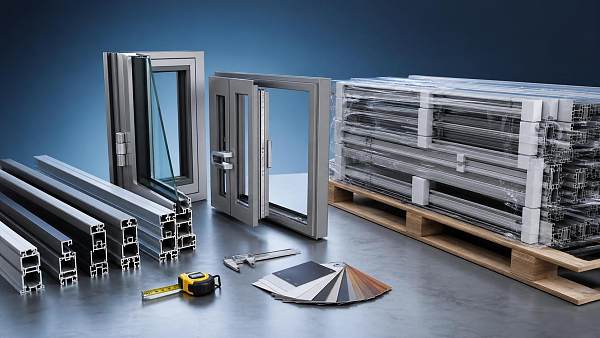
For many sourcing teams, aluminum window frames wholesale looks simple until quotes start arriving. Prices can differ sharply, even when drawings appear nearly identical.
The gap usually comes from specification depth, not from random supplier behavior. Alloy choice, finish, wall thickness, fabrication scope, and packaging all affect the landed cost.
A low ex-works number may exclude machining, corner crimping, glazing beads, or protective film. Another supplier may include them and still seem expensive on paper.
In practice, aluminum window frames wholesale is closer to an engineered component buy than a commodity purchase. That is why benchmark-based comparison matters.
This is also where cross-sector sourcing discipline helps. Platforms such as GIM treat frame procurement the same way industrial buyers review tooling, mobility parts, or filtration modules: by normalizing specs before comparing price.
The first useful question is not, “Who is cheapest?” It is, “What exactly is included in this aluminum window frames wholesale offer?”
Which cost drivers usually move the quote the most?
Material is the obvious driver, but it is not the only one. Several smaller variables often add more cost than buyers expect.
Alloy, temper, and section weight
Common grades such as 6063-T5 and 6063-T6 dominate aluminum window frames wholesale because they balance formability, finish quality, and structural performance.
Heavier profiles raise cost in a direct way. Even a small increase in wall thickness can materially change aluminum consumption across a full container order.
Surface treatment
Mill finish is cheapest, but it is rarely the practical choice. Powder coating, anodizing, wood-grain transfer, and PVDF each change both cost and lead time.
Color consistency matters. If multiple projects must match, tighter finish control may justify a higher aluminum window frames wholesale price.
Fabrication content
Cut-to-length extrusions are one thing. Fully fabricated frames with drainage slots, corner keys, punching, and hardware prep are another cost category.
More machining means more labor, more scrap risk, and tighter process control. That usually narrows the supplier pool as well.
Packaging and logistics
Long profiles are vulnerable to denting and finish damage. Export pallets, interleaving, shrink wrap, and corner protection all add cost, but they reduce claims.
For aluminum window frames wholesale, packaging is often a false economy area. Cheap packing can erase any unit price advantage once damage appears at destination.
What MOQ benchmarks are realistic, and when should they raise concern?
MOQ depends on whether you are buying stock profiles, customized extrusions, or fully assembled systems. A single benchmark rarely works across all three.
More commonly, suppliers build MOQ around die recovery, coating batch efficiency, and container utilization. That is why the same factory may quote different minimums for similar products.
These are planning benchmarks, not universal rules. Regional energy cost, order mix, and plant utilization can shift MOQ expectations.
If a supplier offers an unusually low MOQ in aluminum window frames wholesale, check whether the quote assumes profile mixing, shared coating batches, or future order commitments.
How do you compare suppliers without getting trapped by headline price?
The cleanest method is to compare three layers at once: technical compliance, commercial structure, and execution reliability.
Technical compliance starts with drawings, tolerances, alloy certificate expectations, finish thickness, and hardware interface details. Missing one of these can distort every quote.
Commercial structure covers tooling charges, MOQ by profile, scrap policy, packaging terms, payment schedule, and warranty treatment. These details shape the real aluminum window frames wholesale cost.
Execution reliability is harder to see, but it matters most under schedule pressure. Ask about line capacity, coating subcontracting, inspection records, and rework response time.
- Request the quote on a per-kg and per-meter basis when possible.
- Separate die cost, finish surcharge, and fabrication cost into visible lines.
- Confirm whether packaging is export grade or domestic transport grade.
- Check if lead time starts after drawing approval or after deposit receipt.
This is where a benchmarking mindset, similar to GIM’s cross-industry method, becomes practical. Normalized inputs reduce the noise that often hides procurement risk.
Where do aluminum window frames wholesale projects usually go off track?
A common mistake is treating custom extrusions like off-the-shelf metal stock. The project then absorbs unexpected die charges, coating delays, or tolerance disputes.
Another issue is approving samples that are visually acceptable but not fully documented. Without signed standards for finish, dimensions, and packaging, repeat orders become inconsistent.
Questions worth asking before release
- Who owns the extrusion die after payment, and where is it stored?
- What are the acceptable dimensional tolerances by profile section?
- Is finish thickness verified per batch, and under which standard?
- How are damaged lengths, short pieces, or color variation handled?
- What is the reorder MOQ after the first custom production run?
For aluminum window frames wholesale, reorder terms deserve special attention. Initial MOQ may be high, but repeat-buy conditions often determine long-term sourcing efficiency.
It also helps to align quality language with recognized standards. Even when ISO, IATF, or IPC are not directly applied, their discipline around traceability and control is useful.
What should be in a practical RFQ for better cost and MOQ decisions?
A strong RFQ shortens negotiation time because it removes guesswork. Suppliers can only benchmark accurately when the request is technically complete.
For aluminum window frames wholesale, the RFQ should define profile drawings, alloy and temper, finish type, finish color code, fabrication steps, packing method, and delivery term.
If the project is phased, state annual volume and first-release volume separately. That helps suppliers propose a fairer tooling and MOQ structure.
When this information is complete, aluminum window frames wholesale quotes become easier to compare. Cost discussions also shift from rough bargaining to evidence-based adjustment.
So what is the best next step before placing an order?
Start by separating price into visible cost blocks: extrusion, finish, fabrication, tooling, packaging, and freight. That makes outliers easier to explain.
Then compare MOQ in context. A higher minimum is not automatically negative if it reduces unit cost, improves finish consistency, or secures stable repeat production.
For aluminum window frames wholesale, the strongest decisions usually come from a short benchmark sheet, a complete RFQ, and one sample approval path with documented criteria.
Where projects span regions or mixed industrial applications, using a structured intelligence framework helps. That is the broader value of platforms like GIM: comparable data, clearer standards, and fewer blind spots.
Before the order is released, confirm actual specification, repeat MOQ, finish control, die terms, and packaging detail. Those five checks usually matter more than chasing the lowest initial quote.
The Archive Newsletter
Critical industrial intelligence delivered every Tuesday. Peer-reviewed summaries of the week's most impactful logistics and market shifts.