Monday, May 22, 2024

Library Furniture Planning: Durability, Layout, and Lifecycle Cost
by
Published
Views:
Planning library furniture is no longer a simple procurement task; it is a lifecycle decision that affects durability, user flow, maintenance budgets, and long-term facility performance.
The right strategy balances ergonomic layouts, material resilience, safety standards, and total cost of ownership from concept to daily operation.
This checklist examines library furniture through a technical, data-driven lens, helping reduce replacement risk, improve space utilization, and support adaptable environments.
Why Library Furniture Planning Needs a Checklist
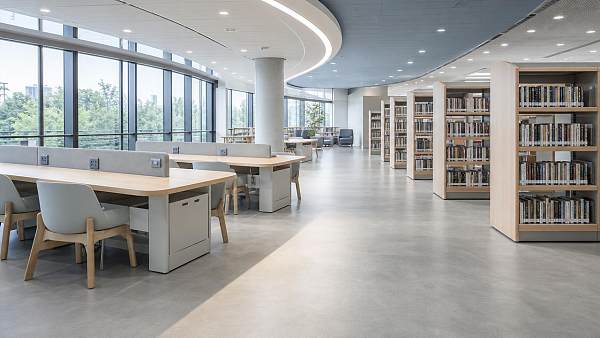
Library furniture must perform across reading, collaboration, digital access, storage, community events, and quiet study zones.
A checklist prevents decisions based only on appearance, unit price, or short-term availability.
It also connects layout, safety, maintenance, accessibility, and lifecycle cost before purchase orders become fixed assets.
In complex facilities, library furniture interacts with lighting, HVAC, flooring, cabling, acoustics, circulation routes, and cleaning workflows.
Without structured evaluation, minor design gaps can become recurring maintenance costs or user experience failures.
Core Library Furniture Checklist for Durable Decisions
Use this checklist during planning, tender review, mock-up evaluation, and final acceptance.
- Map user journeys before selecting library furniture, including entry points, browsing paths, service desks, reading zones, exits, and emergency circulation routes.
- Verify structural durability through load ratings, joint design, edge protection, hardware quality, and resistance to repeated movement or impact.
- Specify materials by use intensity, choosing high-pressure laminate, powder-coated steel, hardwood, or engineered panels according to wear exposure.
- Check finish performance against cleaning chemicals, moisture, UV exposure, abrasion, fingerprints, and color fading under daily public use.
- Confirm ergonomic dimensions for tables, chairs, counters, shelving, and lounge seating to reduce discomfort during extended reading sessions.
- Require accessibility alignment for reach ranges, wheelchair clearances, knee space, aisle widths, signage visibility, and inclusive workstation placement.
- Plan power and data access before finalizing library furniture, avoiding surface cable clutter, trip hazards, and costly floor modifications.
- Evaluate modularity, ensuring components can be reconfigured, expanded, repaired, or repurposed as programs and occupancy patterns change.
- Review acoustic behavior, especially in collaborative zones, by selecting surfaces and seating arrangements that limit reflected noise.
- Calculate lifecycle cost, not only purchase price, by including maintenance labor, spare parts, refinishing, relocation, and replacement frequency.
Durability Criteria That Affect Lifecycle Cost
Durability starts with the match between furniture construction and actual operating conditions.
High-traffic library furniture should use reinforced frames, replaceable glides, sealed edges, tamper-resistant fasteners, and stable base geometry.
Tables require attention to top thickness, substrate density, corner radius, leg attachment, and cable integration points.
Seating requires fatigue-resistant foam, tested mechanisms, cleanable upholstery, and frames designed for repeated loading cycles.
Shelving demands careful review of span length, shelf deflection, anchoring method, book load capacity, and seismic or tipping risks.
Durable library furniture may cost more at acquisition, but it often reduces service interruptions and premature replacement.
Material and Finish Evaluation
Material choice should follow zone intensity, cleaning policy, expected humidity, and visual expectations.
Laminates support heavy use when edges are sealed and impact-prone corners are protected.
Wood adds warmth but requires finish discipline, stable humidity, and planned repair pathways.
Metal frames improve strength and consistency, but coating quality determines resistance to scratches and corrosion.
For library furniture in children’s areas, prioritize rounded edges, non-toxic finishes, easy cleaning, and strong anti-tip performance.
Layout Planning for Flow, Safety, and Adaptability
A strong layout makes library furniture support movement rather than obstruct it.
Begin with circulation diagrams, then define quiet areas, group spaces, digital stations, stacks, service points, and flexible event zones.
Every furniture cluster should preserve sightlines, supervision points, exit routes, and accessible turning clearances.
Avoid overfilling open areas with attractive pieces that reduce long-term flexibility.
The best library furniture plan protects future reconfiguration without weakening daily usability.
Space Utilization Checklist
- Define primary and secondary routes, then keep frequently moved library furniture away from door swings, elevators, and emergency egress paths.
- Group similar activities together, separating quiet reading, tutoring, digital work, casual seating, and event furniture by acoustic sensitivity.
- Reserve reconfiguration zones with mobile tables, stackable seating, lockable casters, and floor boxes positioned for flexible programs.
- Coordinate shelving height with daylight, supervision, sprinkler coverage, signage visibility, and the psychological openness of the space.
- Test layouts with scale drawings or mock-ups before finalizing library furniture quantities, aisle widths, and service desk locations.
Application Scenarios and Planning Notes
Academic and Research Libraries
Academic spaces need library furniture that supports long-duration work, laptop use, reference materials, and changing study behaviors.
Carrels, collaborative tables, powered seating, and adjustable shelving should be planned with clear zoning and technology integration.
Public and Community Libraries
Public environments need robust library furniture that withstands mixed age groups, high turnover, events, and frequent cleaning.
Choose movable elements carefully, because flexibility must not create instability, storage problems, or unmanaged visual clutter.
Children’s and Teen Areas
Children’s zones require library furniture with rounded profiles, bright but durable finishes, stable proportions, and easily inspected surfaces.
Teen areas benefit from casual seating, charging access, writable surfaces, and resilient pieces that still look intentional.
Archives and Special Collections
Special collections need library furniture that limits abrasion, supports controlled handling, and avoids materials that release harmful emissions.
Reading tables, carts, and storage elements should align with conservation handling rules and controlled access procedures.
Lifecycle Cost Model for Library Furniture
Lifecycle cost should compare function, durability, maintenance, and replacement over the intended service period.
A low bid can become expensive when parts are unavailable, finishes fail, or reconfiguration requires specialist labor.
A practical model assigns scoring weights to safety, durability, maintainability, user comfort, and future flexibility.
The final selection should favor library furniture with verifiable performance data, not only catalog imagery.
Commonly Overlooked Risks
Ignoring anchoring requirements. Tall shelving, display units, and mobile storage can create tipping risks if anchoring is delayed or excluded.
Underestimating cleaning cycles. Library furniture in shared spaces may face daily disinfection, spills, dust, and abrasion from bags or equipment.
Forgetting cable management. Power access added after installation often creates exposed cords, damaged flooring, or inefficient workstation placement.
Choosing fixed layouts too early. Built-in pieces can look efficient, but they may restrict future services, collections, or community programs.
Missing spare part strategy. Standardized glides, casters, hinges, pulls, and upholstery reduce repair complexity across the furniture inventory.
Overlooking acoustic spillover. Lounge seating and group tables can disrupt quiet zones when partitions, distance, and sound-absorbing materials are inadequate.
Practical Execution Recommendations
Start with a furniture performance brief before requesting quotations.
Define activity zones, expected occupancy, cleaning frequency, durability class, accessibility needs, technology requirements, and service life expectations.
Use sample reviews to test edge quality, finish resistance, stability, seating comfort, caster movement, and hardware consistency.
Request documentation for applicable safety standards, emissions, flame resistance, load testing, and warranty coverage.
Plan a phased installation schedule that protects flooring, coordinates deliveries, and avoids blocking critical facility operations.
After installation, maintain an asset register for library furniture, including model numbers, finishes, warranty dates, and spare parts.
- Document room-by-room quantities, then compare the plan against occupancy targets, storage capacity, accessibility routes, and circulation pressure.
- Conduct a pilot setup using representative library furniture before committing to full procurement and permanent electrical coordination.
- Standardize finishes and components where possible, while allowing distinctive pieces only where user experience clearly benefits.
- Set inspection intervals for tightening hardware, replacing glides, checking shelving alignment, and identifying finish damage early.
Summary and Action Guide
Effective library furniture planning connects technical performance with human comfort, safety, maintenance, and long-term adaptability.
The strongest decisions come from checklists that measure real use conditions, not isolated product features.
Begin by mapping activities, confirming durability requirements, and setting lifecycle cost criteria before comparing suppliers or designs.
Then validate library furniture through samples, mock-ups, standards documentation, and maintenance planning.
This approach creates library environments that remain functional, resilient, and cost-effective throughout their service life.

The Archive Newsletter
Critical industrial intelligence delivered every Tuesday. Peer-reviewed summaries of the week's most impactful logistics and market shifts.