Monday, May 22, 2024

OBD2 Diagnostic Tool OEM: Features Worth Comparing
by
Published
Views:
Choosing the right obd2 diagnostic tool oem shapes product reliability, vehicle coverage, update efficiency, and long-term channel performance. As diagnostics expand from basic fault reading to bi-directional testing, coding, and EV support, feature comparison becomes a strategic sourcing task.
Within a cross-industry environment, diagnostics no longer sit only inside repair workflows. They connect automotive electronics, software maintenance, telematics, fleet uptime, and compliance reporting. A structured review of any obd2 diagnostic tool oem helps reduce supply risk and supports scalable market positioning.
Core Definition and Scope of an OBD2 Diagnostic Tool OEM
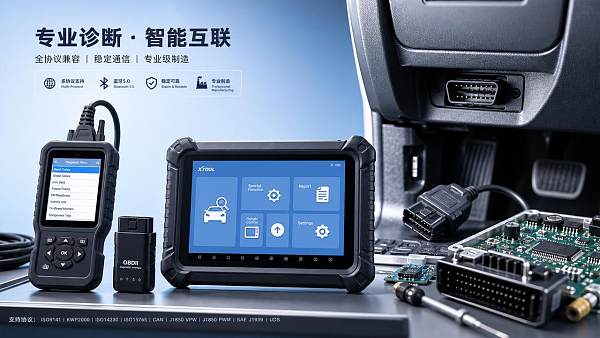
An obd2 diagnostic tool oem develops and manufactures diagnostic devices sold under private label, partner brand, or joint development arrangements. The OEM may provide hardware design, firmware, app integration, protocol libraries, testing, packaging, and compliance documentation.
The comparison should not stop at visible features. It must include engineering depth, vehicle communication stability, update infrastructure, quality systems, and post-launch support capacity. These factors determine whether a tool performs consistently across vehicle brands and model years.
In practice, the market includes handheld scanners, Bluetooth dongles, workshop tablets, and modular platforms. Some suppliers specialize in entry-level code readers. Others focus on advanced service functions, commercial vehicles, or emerging EV and hybrid diagnostics.
Industry Conditions Driving Feature Comparison
Vehicle diagnostics now sit at the intersection of hardware, embedded software, cloud delivery, and regulatory adaptation. That complexity makes feature comparison essential when evaluating any obd2 diagnostic tool oem.
- CAN FD and DoIP are expanding in newer vehicle platforms.
- Secure gateway access changes authentication requirements.
- EV service routines introduce battery, inverter, and thermal system diagnostics.
- Users expect fast over-the-air updates and intuitive interfaces.
- Regional compliance and data handling expectations are becoming stricter.
These shifts affect engineering cost, aftersales workload, and product life cycle. A capable obd2 diagnostic tool oem should demonstrate not just current compatibility, but a repeatable roadmap for adapting to future protocol and software changes.
High-Priority Comparison Signals
Features Worth Comparing in an OBD2 Diagnostic Tool OEM
The best comparison framework combines technical capability with operational readiness. A strong obd2 diagnostic tool oem should perform well across both dimensions.
1. Vehicle and Protocol Coverage
Coverage should be measured by actual tested brands, regions, and model years. Broad claims are less useful than validated support lists. Confirm gasoline, diesel, hybrid, EV, passenger vehicle, and light commercial compatibility where relevant.
Protocol support should include legacy and modern architectures. For many markets, CAN FD and DoIP readiness is now a key differentiator. Without this, newer vehicle access may be limited.
2. Functional Depth
Basic code reading is no longer enough for many channels. Compare freeze frame access, live data graphing, readiness checks, service reset functions, active tests, adaptations, coding support, and gateway-related workflows.
A mature obd2 diagnostic tool oem usually separates standard OBD functions from brand-specific diagnostics. That distinction helps define product tiers and avoid feature confusion in the field.
3. Hardware Stability and Interface Design
Stable communication depends on PCB quality, connector durability, thermal performance, and power management. Devices used in workshops or fleets need stronger drop resistance and connector cycle life than occasional consumer products.
Interface design also affects retention. Fast boot time, clear menus, multilingual support, and readable data presentation reduce support tickets and improve adoption.
4. Software Update Architecture
Update capability is one of the most overlooked OEM criteria. Compare release frequency, update packaging, server reliability, version management, and whether updates cover firmware, app, and vehicle database layers.
An advanced obd2 diagnostic tool oem should support efficient maintenance after launch. This protects product relevance as vehicle systems evolve.
5. Private Label and Customization Capability
Customization may include industrial design, logo, packaging, user manual, software theme, app account system, and feature segmentation. Some projects also require regional language packs, branded update portals, or accessory bundles.
OEM flexibility matters when building differentiated product lines. It also affects time to market and minimum order structure.
6. Compliance, Testing, and Traceability
Ask how the supplier validates communication reliability, electromagnetic performance, battery behavior, and firmware stability. Documentation should be clear, current, and linked to production lots where possible.
Within a broader industrial benchmarking mindset, traceability and technical documentation often separate scalable OEM partnerships from short-term trading arrangements.
Business Value Across Automotive and Adjacent Industrial Workflows
A well-selected obd2 diagnostic tool oem contributes value beyond product specification. It supports faster service decisions, better inventory planning, lower return rates, and stronger software continuity.
- Improves confidence in cross-brand vehicle support.
- Supports tiered product strategy from entry to advanced tools.
- Reduces field failures through stronger validation controls.
- Extends commercial life through structured updates.
- Creates better alignment with telematics and digital service ecosystems.
This matters in a comprehensive industrial context because diagnostics now share design logic with connected devices across machinery, electronics, and infrastructure. Reliability, data clarity, and maintainability are universal sourcing priorities.
Typical Product Scenarios and OEM Fit
Practical Evaluation Steps Before Commitment
A disciplined evaluation process reduces surprises after launch. When reviewing an obd2 diagnostic tool oem, use evidence-based checkpoints rather than brochure claims.
- Request a tested vehicle coverage matrix by region and model year.
- Verify support for CAN FD, DoIP, and secure gateway workflows.
- Review software update history from the previous twelve months.
- Check documentation for quality control and traceability processes.
- Test private label options, manuals, packaging, and UI localization.
- Run sample validation on representative vehicle platforms.
It is also useful to compare support responsiveness, bug-fix discipline, and engineering communication quality. These operational factors often predict long-term success better than headline specifications alone.
Next-Step Considerations for Long-Term OEM Selection
The strongest obd2 diagnostic tool oem is not simply the one with the longest feature list. It is the one that aligns protocol readiness, software maintenance, quality control, and customization with the intended market path.
For a more reliable decision, build a weighted scorecard covering coverage, diagnostics depth, hardware durability, update system, compliance evidence, and post-sale technical support. This approach turns feature comparison into a practical sourcing model.
When the goal is a durable supply partnership, technical transparency matters most. A structured review of any obd2 diagnostic tool oem creates a better foundation for quality consistency, channel confidence, and future product expansion.

The Archive Newsletter
Critical industrial intelligence delivered every Tuesday. Peer-reviewed summaries of the week's most impactful logistics and market shifts.