Monday, May 22, 2024

Seamless Steel Pipes Wholesale: Cost, Grades, and Supply Risks
by
Published
Views:
Seamless Steel Pipes Wholesale: Cost, Grades, and Supply Risks
For procurement teams, seamless steel pipes wholesale is never just about unit price. It is a balance of grade fit, lead-time stability, compliance, and supplier risk.
In volatile industrial markets, material choices can affect downtime, warranty exposure, and freight cost. A cheap quote often becomes expensive after testing, delays, or rework.
That is why seamless steel pipes wholesale should be evaluated through total landed cost, not only mill price. The difference matters most in energy, machinery, infrastructure, and fluid systems.
From GIM’s cross-sector benchmarking view, buyers who compare grades, standards, and regional supply signals early usually avoid the most common sourcing mistakes.
Why Seamless Steel Pipes Wholesale Pricing Changes So Quickly
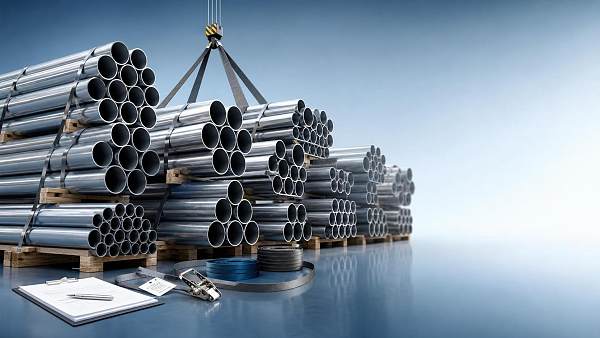
Price movement in seamless steel pipes wholesale usually starts upstream. Billet cost, alloy surcharges, energy pricing, and mill utilization all shape the final offer.
A second driver is processing complexity. Tight tolerances, heat treatment, NDT requirements, and special end finishing can shift costs more than many buyers expect.
Regional sourcing also changes the equation. One country may offer lower base price, while another provides more stable lead times and cleaner documentation.
In practical terms, seamless steel pipes wholesale quotes should be compared on the same technical basis. Otherwise, a cheaper quote may reflect looser testing or thinner wall tolerance.
Main cost components
- Steel billet or round bar input cost
- Alloy content and grade-specific chemistry
- Piercing, rolling, sizing, and heat treatment
- Inspection, hydrotest, UT, and traceability records
- Surface protection, packing, and export handling
- Ocean freight, duties, inland transport, and insurance
A strong sourcing process breaks these elements apart. That makes seamless steel pipes wholesale negotiations more transparent and easier to benchmark across suppliers.
How Grade Selection Changes Cost and Performance
Not every project needs the highest-grade pipe. However, under-specifying material in seamless steel pipes wholesale can create larger downstream losses than the original savings.
Common grades include carbon steel, alloy steel, and stainless options. The right choice depends on pressure, temperature, corrosion exposure, welding method, and service life expectations.
For general mechanical and structural use, ASTM A53 or equivalent may be sufficient. For pressure service, ASTM A106 or API-grade materials are often more relevant.
Where elevated temperature or aggressive media are involved, alloy or stainless seamless tubes may reduce maintenance frequency and unplanned replacement cost.
Grade selection questions worth asking early
- Is the pipe for pressure containment, structure, or heat transfer?
- Which standards apply: ASTM, ASME, API, EN, or project-specific codes?
- What are the real operating temperature and corrosion conditions?
- Is the specification driven by engineering need or legacy habit?
- Will substitution require requalification, client approval, or extra testing?
This is where disciplined technical review helps. In seamless steel pipes wholesale, one grade step up may raise purchase cost but lower lifecycle cost materially.
Supply Risks Buyers Often Miss
The more obvious risk is delay. The less obvious risk is mismatch between the offered pipe and the required compliance package.
In seamless steel pipes wholesale, supply risk usually appears in four forms: capacity risk, specification risk, logistics risk, and documentation risk.
1. Capacity risk
Some mills prioritize standard sizes and high-volume runs. Non-standard OD, heavy wall, or short custom lots may be accepted slowly or rescheduled repeatedly.
2. Specification risk
A quote may reference the right grade but omit mandatory testing. Seamless steel pipes wholesale orders often fail at this point, especially when MTC detail is weak.
3. Logistics risk
Long pipes are freight-sensitive. Port congestion, container shortages, and inland handling constraints can change the economics of seamless steel pipes wholesale overnight.
4. Documentation risk
Incomplete heat numbers, missing test reports, or vague origin statements can delay customs clearance and site acceptance. That risk is expensive and often underestimated.
A more telling market signal is that buyers now audit paper quality as closely as product quality. That shift is reshaping seamless steel pipes wholesale supplier rankings.
What to Compare Before Issuing a Large-Volume Order
A disciplined comparison sheet helps reduce hidden variation. It also gives internal stakeholders a clear reason for selecting one seamless steel pipes wholesale source over another.
This process also supports better negotiation. Once the scope is technically aligned, seamless steel pipes wholesale pricing becomes easier to evaluate on a true like-for-like basis.
A Practical Sourcing Framework for Better Decisions
A workable sourcing framework should be simple enough to use under time pressure. At the same time, it must be detailed enough to catch commercial and technical gaps.
Step 1: Lock the service requirement
Define media, pressure, temperature, finish, and compliance requirements first. This prevents overbuying and reduces re-quotation cycles in seamless steel pipes wholesale sourcing.
Step 2: Pre-qualify the supplier base
Check manufacturing route, reference projects, inspection capability, and export record. A trader can still be useful, but the production chain must stay visible.
Step 3: Model landed cost
Calculate freight, duties, packaging, testing, and financing cost. The best seamless steel pipes wholesale deal is often the one with the lowest delivered risk-adjusted cost.
Step 4: Build a backup plan
Dual-source critical sizes where possible. For strategic programs, keeping one approved alternative mill can protect schedules during regional disruption.
This is also where GIM’s cross-industry benchmarking approach becomes useful. Shared visibility across manufacturing sectors can reveal supplier stress earlier than quote data alone.
Final Takeaway on Seamless Steel Pipes Wholesale
Seamless steel pipes wholesale decisions should connect price, grade suitability, inspection scope, and regional supply risk. Treating them separately usually leads to false savings.
A stronger buying process starts with technical clarity, continues with like-for-like quote comparison, and ends with verified documentation and contingency planning.
In real procurement work, that discipline improves schedule confidence as much as cost control. It also reduces claims, emergency buys, and friction between sourcing and engineering teams.
Before the next seamless steel pipes wholesale order, review grade logic, inspection needs, and supplier exposure together. That is usually where the most valuable savings actually appear.
The Archive Newsletter
Critical industrial intelligence delivered every Tuesday. Peer-reviewed summaries of the week's most impactful logistics and market shifts.