Monday, May 22, 2024

Vietnam Tightens Transit of China-Origin Goods
by
Published
Views:
Vietnam’s new transit controls took effect on June 15, 2026, tightening how China-origin goods can move through the country on the way to ASEAN and South Asian markets. The change is especially relevant for businesses using Vietnam as a transfer route for Hardware Components, Plastic Injection Molds, and Tooling Insights-related exports to the RCEP market, because it narrows border access, limits dwell time, and raises the importance of document consistency.
What the New Transit Rules Confirm
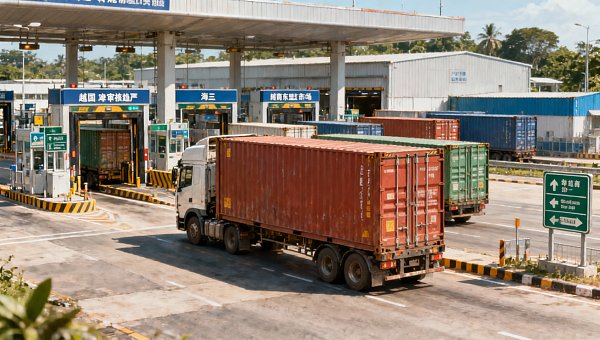
According to the provided event information, Vietnam began enforcing a new rule on June 15, 2026 for China-origin cargo transiting through Vietnam to ASEAN and South Asian destinations. The rule limits transit access to four border-gate pairs, including Lao Cai–Hekou, sets a maximum single stay of no more than 30 days, and strengthens checks on origin documentation and shipment consistency.
The same information indicates that the policy directly affects transit export business tied to RCEP-oriented trade flows, with specific pressure noted for Hardware Components, Plastic Injection Molds, and Tooling Insights.
Where the Pressure May Appear First
Transit-dependent exporters face narrower routing flexibility
From an industry perspective, companies that rely on Vietnam as an intermediate route may be affected first because the number of permitted border-gate pairs is now limited. That can influence route planning, cargo scheduling, and the ability to switch transit arrangements when shipments are time-sensitive.
Documentation-sensitive shipments face tighter execution risk
Analysis shows that traders and supply chain teams handling China-origin goods should pay closer attention to whether origin files and shipment details match throughout the transit process. The stricter review focus does not automatically define the scale of disruption, but it clearly raises operational sensitivity around customs-facing paperwork and cargo record consistency.
Manufacturing-linked export flows may see delivery coordination pressure
For manufacturers and processors serving ASEAN or South Asian demand through transit exports, the 30-day stay ceiling matters because it can affect buffer time in logistics arrangements. This is particularly relevant where hardware-related parts, mold-related shipments, or tooling-linked deliveries depend on coordinated transfer timing rather than direct shipment alone.
Service providers may need to reassess execution details
Supply chain service providers, freight coordinators, and related trade support teams may need to watch for changes in how shipments are prepared and handed over. Observably, the practical impact is likely to show up not only in transport routing but also in document review, timing control, and exception handling during transit.
What Companies Should Track Now
Watch for further clarification in official wording
What deserves closer attention is whether subsequent official communication further explains how the four permitted border-gate pairs will be applied in practice and how document checks will be implemented at the shipment level. The current signal is clear on direction, but execution details remain important for business planning.
Review document and cargo consistency before shipment
For companies already moving China-origin goods through Vietnam, a practical focus is the alignment between origin-related files and actual shipment information. Where transit business depends on repeated cross-border handling, even small mismatches may become more important under stricter review.
Recheck timing assumptions in transit-based delivery plans
The 30-day single-stay cap means businesses should revisit how much time is built into transfer, storage, and onward movement arrangements. This is less about broad strategy in the abstract and more about whether existing delivery cycles still fit the new transit boundary.
Prepare clearer communication with buyers and partners
Companies serving RCEP-linked customers may need to explain that the policy change concerns transit administration rather than only transportation capacity. For procurement teams, clients, and logistics partners, the key issue is whether order timing, paperwork readiness, and route design remain aligned under the new rule.
How This Policy Signal Should Be Read
Analysis shows that this development is more than a routine logistics update because it combines route restriction, time limitation, and stricter origin-document review in one policy move. At the same time, it would be premature to treat it as a fully settled long-term market outcome based only on the provided information.
It is more appropriate to understand this as a concrete near-term operating change and also as a policy signal worth continued observation. The reason industry participants should keep watching is that the real commercial effect will depend on how consistently the rule is enforced in daily transit activity and whether further clarifications follow.
Why the Industry Is Watching Closely
The significance of this update lies in its direct effect on transit-based export arrangements rather than in a broad statement about all regional trade. For companies connected to Hardware Components, Plastic Injection Molds, and Tooling Insights, the immediate takeaway is that Vietnam transit is now more rule-sensitive, especially in border access, dwell time, and documentation control.
A neutral reading at this stage is that the change should be treated as an operationally meaningful development with potential commercial implications, but one that still requires continued verification through implementation and follow-up policy signals.
Basis of This Article
This article is generated from the user-provided news title, event date, and event summary. The specific official source link was not provided in the input, so the underlying policy wording and later enforcement details still need continued verification.
For this type of industry update, relevant source categories usually include official notices, company disclosures, industry association updates, authoritative media reporting, and standards or regulatory documents. Based on the current input, the main areas for continued follow-up are any further official clarification, changes in rule application, and the practical impact on transit export execution.

The Archive Newsletter
Critical industrial intelligence delivered every Tuesday. Peer-reviewed summaries of the week's most impactful logistics and market shifts.