Monday, May 22, 2024

Construction Machinery Fuel Cost Control Tips
by
Published
Views:
Construction Machinery Fuel Cost Control Tips That Improve Site Margins
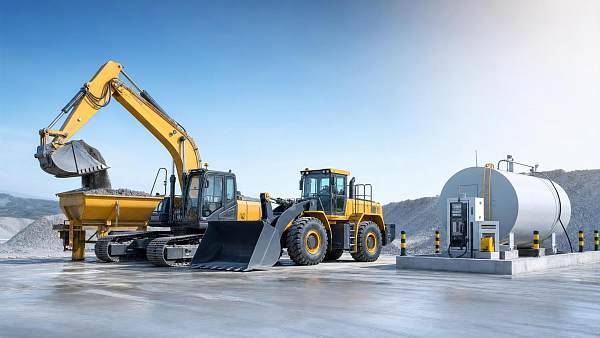
Fuel is one of the most visible costs in construction machinery operations. It moves daily with workload, weather, routing, maintenance quality, and operator habits.
That makes fuel control more than a purchasing issue. It is a site management discipline tied directly to uptime, schedule stability, and equipment productivity.
For many projects, quick savings do not come from replacing the whole fleet. They come from improving how construction machinery is selected, dispatched, maintained, and monitored.
A practical fuel strategy also reduces hidden losses. These include avoidable idle hours, unplanned refueling delays, poor load matching, and small mechanical issues that increase consumption.
In real project conditions, the best results usually come from combining field discipline with equipment data. That mix turns fuel use into something measurable and manageable.
Start With a Baseline for Construction Machinery Fuel Use
Before setting targets, establish a clean baseline. Many sites track liters purchased, but not liters consumed by machine type, shift, or work phase.
That gap matters. A crawler excavator in rock trenching should not be compared with a wheel loader handling light materials on a flat haul route.
Build fuel benchmarks around machine class, task profile, site conditions, and operating hours. This gives a fair view of how each construction machinery unit actually performs.
Useful baseline metrics often include fuel per engine hour, fuel per cubic meter moved, fuel per ton handled, and idle percentage by asset.
- Separate production hours from idle hours.
- Track fuel by model, attachment, and shift.
- Compare similar machines doing similar work.
- Review weekly trends, not only monthly totals.
Once the baseline is visible, abnormal fuel behavior becomes easier to spot. That is usually the first real step toward cost control.
Cut Idle Time Before Chasing Bigger Investments
Idle time is one of the fastest leaks in construction machinery fuel budgets. It creates cost without moving material, advancing work, or improving utilization.
Sites often accept idling as normal because machines wait for trucks, instructions, clearance, or loading sequence changes. But this is usually a coordination issue.
A five to ten minute delay repeated across a fleet can add up quickly. Over a month, that waste becomes highly visible in fuel and maintenance spend.
Telematics helps, but field routines matter just as much. Operators need clear shutdown rules, and supervisors need to manage queues before they become habit.
- Set an idle threshold for each machine category.
- Use warm-up policies based on manufacturer guidance.
- Align truck dispatch with loader and excavator cycles.
- Flag repeat idle hotspots by zone and shift.
From a management view, reducing idle time usually delivers faster savings than a major fleet replacement decision. It also improves equipment availability.
Match Machine Size and Attachment to the Actual Task
Oversized construction machinery often looks productive, but it can burn unnecessary fuel when the task does not require that level of power or breakout force.
Undersized machines create a different problem. They need more cycles, more throttle, and more time to complete the same output.
The same rule applies to attachments. A bucket, hammer, auger, or compaction tool that is poorly matched to material conditions can raise fuel use sharply.
Better matching starts in planning, not after the machine arrives on site. Review expected load factors, material density, reach needs, and cycle distance in advance.
- Assign machines by output target, not habit.
- Review attachment sizing during mobilization planning.
- Recheck machine fit when site conditions change.
- Remove duplicate standby equipment when not required.
This is where technical benchmarking adds value. Standardized performance comparisons help teams choose construction machinery with the best fuel-to-output balance.
Use Maintenance to Protect Fuel Efficiency
Fuel cost control is not only about operator behavior. It also depends on how well the machine converts fuel into stable, efficient work.
Restricted air filters, worn injectors, low tire pressure, hydraulic drag, and poor lubrication can all raise consumption without obvious warning signs.
That is why preventive maintenance should be tied to fuel data. If fuel use rises while output stays flat, the machine may be losing efficiency.
In practice, maintenance teams should prioritize components that directly affect combustion, rolling resistance, hydraulic performance, and engine load response.
- Inspect filters and fluid quality on schedule.
- Monitor tire pressure and undercarriage wear.
- Check injectors and engine calibration records.
- Investigate sudden fuel spikes after repairs.
Well-maintained construction machinery usually burns less fuel, suffers fewer breakdowns, and keeps project sequencing more predictable.
Improve Operator Habits With Simple, Measurable Rules
Operator technique has a direct effect on construction machinery fuel use. Aggressive throttle input, harsh braking, uneven loading, and poor travel paths all increase burn rates.
The solution is not generic training alone. It is clear site-specific guidance supported by feedback the crew can actually use.
Short coaching sessions work better than occasional lectures. Focus on idle control, smooth cycle operation, correct gear or mode selection, and reduced rework.
It also helps to share performance fairly. Compare operators only when they run similar construction machinery in similar conditions.
A simple scorecard can include fuel per hour, idle ratio, output per shift, and avoidable alarms. Keep it practical, visible, and consistent.
Control Fuel Handling, Storage, and Losses on Site
Not every fuel cost problem comes from engine consumption. Some losses happen in storage, transfer, recording, or refueling logistics.
Poor tank placement can increase travel time. Weak controls can create discrepancies between purchased fuel and actual construction machinery use.
Contaminated fuel is another hidden risk. It can damage injectors, reduce combustion efficiency, and trigger expensive downtime.
A tighter fuel process supports both cost control and equipment reliability. The key is traceability from delivery to machine-level dispensing.
- Log every refill by machine and operator.
- Place fuel points near heavy-use work zones.
- Use filtration and water checks in storage tanks.
- Review fuel variance against telematics weekly.
When site fueling is disciplined, it becomes easier to understand true construction machinery performance and avoid false conclusions.
Turn Telematics Data Into Daily Decisions
Many fleets already collect data, but fewer teams turn it into routine action. Reports alone do not reduce fuel cost.
What matters is selecting a few operating signals that drive intervention. For construction machinery, these usually include idle time, load factor, fault codes, and fuel per hour.
Daily review is often enough for fast-moving sites. Weekly review works well for trend analysis, vendor discussions, and maintenance planning.
Cross-sector intelligence platforms like GIM can support this step by benchmarking machine performance against technical standards and comparable duty profiles.
That broader view is useful when deciding whether a fuel issue comes from operator behavior, machine condition, application mismatch, or procurement choice.
Build a Fuel Control Plan That Stays Practical
The most effective construction machinery fuel plan is usually simple enough to run during a busy project, yet detailed enough to catch real waste.
Start with a short list of actions. Set baselines, reduce idle time, match machine size, tighten maintenance, coach operators, and secure fuel handling.
Then assign ownership. Fuel control works best when operations, maintenance, procurement, and site supervision all share the same metrics.
From there, review results every week. Keep the process visible, correct issues early, and adjust benchmarks when work phases or site conditions change.
In a tight market, better fuel discipline is not a minor efficiency exercise. It is a practical way to strengthen construction machinery performance and protect project margins.
The next useful step is to audit the top five fuel-consuming machines, compare actual output, and act on the biggest gap first. That is where savings usually begin.

The Archive Newsletter
Critical industrial intelligence delivered every Tuesday. Peer-reviewed summaries of the week's most impactful logistics and market shifts.