Monday, May 22, 2024

Hydraulic Press for Woodworking: Cost vs Output
by
Published
Views:
Hydraulic Press for Woodworking: Cost vs Output
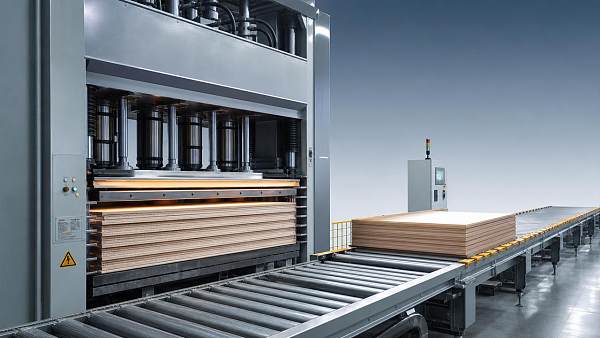
For sourcing evaluation, a hydraulic press for woodworking should be judged by lifecycle value, not purchase price alone.
Output capacity, platen size, pressure stability, energy demand, maintenance access, and supplier reliability all influence long-term return.
In laminating, veneer bonding, plywood production, and engineered wood processing, press performance directly affects yield, waste, and downtime.
This guide reviews cost versus output factors for benchmarking a hydraulic press for woodworking across modern industrial environments.
Basic Definition and Operating Role
A hydraulic press for woodworking uses hydraulic cylinders to apply controlled force across wood-based materials.
The machine may support hot pressing, cold pressing, laminating, bending, veneering, or panel consolidation.
Its core elements include the frame, hydraulic system, platens, heating system, controls, and safety devices.
A stable hydraulic press for woodworking maintains uniform pressure during the full pressing cycle.
That consistency helps reduce delamination, glue voids, thickness variation, and surface defects.
Cost evaluation should include machine structure, hydraulic components, automation level, installation, training, and spare parts.
Output evaluation should include cycle time, usable pressing area, loading efficiency, curing quality, and uptime.
The best hydraulic press for woodworking balances these variables against actual production conditions.
Industry Context and Current Benchmark Signals
Wood processing is increasingly connected to broader industrial benchmarks for automation, energy use, traceability, and quality assurance.
Global Industrial Matrix views machinery performance through cross-sector data, including precision tooling, infrastructure, and sustainable manufacturing metrics.
A hydraulic press for woodworking now competes on measurable productivity, not only mechanical strength.
These signals make the hydraulic press for woodworking a strategic asset within integrated production planning.
The strongest comparison method connects technical specifications with daily production data.
Cost Structure Behind the Machine
The visible price of a hydraulic press for woodworking is only one layer of total ownership cost.
A low-cost machine may require frequent calibration, seal replacement, or hydraulic troubleshooting.
A premium unit may reduce unplanned stops through stronger frames, better valves, and smarter controls.
Useful cost categories include:
- Initial machine price, including platen configuration and tonnage.
- Tooling, loading fixtures, safety guards, and installation work.
- Hydraulic oil, filters, seals, hoses, and wear components.
- Energy consumption during pressing, heating, and idle periods.
- Training, documentation, preventive maintenance, and downtime recovery.
A hydraulic press for woodworking should also be assessed against local service availability.
Long lead times for cylinders, pumps, or control boards can turn small faults into major output losses.
Output Metrics That Determine Real ROI
Output is not only the number of boards leaving the press each shift.
A hydraulic press for woodworking creates value when good parts increase and scrap decreases.
The most practical output indicators include cycle time, loading time, batch size, rejected panels, and available operating hours.
Pressure ramp speed matters because slow buildup can extend every cycle.
Pressure holding accuracy matters because uneven bonding can cause hidden quality failures.
Temperature recovery matters in hot press applications, especially after repeated loading cycles.
A hydraulic press for woodworking with stable heat and pressure can reduce adhesive overuse.
That saving may be significant when processing high-volume panels or premium veneer assemblies.
A Simple Output Calculation
Estimated daily output equals panels per cycle multiplied by cycles per hour and available production hours.
This number should be adjusted for changeovers, cleaning, loading delays, and rejection rate.
A hydraulic press for woodworking with fewer theoretical cycles may still win through better first-pass quality.
Application Value Across Wood Processing
The business value of a hydraulic press for woodworking depends on the application and material mix.
Furniture parts, doors, flooring, plywood, and curved components require different pressure and platen configurations.
Where surface quality is critical, pressure distribution is often more valuable than maximum tonnage.
Where volume is critical, loading systems and fast cycle recovery may deliver better returns.
A hydraulic press for woodworking should be matched to the dominant process, not the broadest advertised capability.
Technical Factors to Compare Before Sourcing
Technical comparison should begin with the required pressing force and actual usable platen area.
Oversized tonnage can waste energy, space, and capital if pressure distribution remains poor.
Undersized tonnage can cause weak bonding, uneven thickness, and repeated quality checks.
Important technical checks include:
- Frame rigidity under rated force and repeated cycles.
- Cylinder synchronization and pressure holding accuracy.
- Platen flatness, heating uniformity, and temperature control.
- Hydraulic pump efficiency, noise level, and cooling capacity.
- Control interface, recipe storage, alarms, and data export.
- Safety interlocks, emergency stops, guarding, and compliance documentation.
A hydraulic press for woodworking with production data logging can support better traceability.
That feature is valuable when quality disputes, material trials, or process audits occur.
Supplier Reliability and Lifecycle Support
Supplier evaluation should be as disciplined as machine evaluation.
A hydraulic press for woodworking depends on correct commissioning, operator training, and maintenance guidance.
Documentation should include hydraulic schematics, electrical drawings, spare parts lists, and maintenance schedules.
Factory acceptance testing should verify pressure, temperature, platen movement, cycle timing, and safety response.
Service commitments should define response time, remote support, spare availability, and warranty scope.
For international sourcing, packaging, transport bracing, voltage compatibility, and installation supervision require early confirmation.
A hydraulic press for woodworking may perform well in trials but fail commercially if support gaps remain unresolved.
Practical Evaluation Method
A structured evaluation prevents cost comparisons from becoming misleading.
Start by defining product types, panel dimensions, adhesive systems, moisture range, and target output.
Then compare each hydraulic press for woodworking against the same operating assumptions.
- Calculate required pressing area and minimum pressure range.
- Estimate realistic cycles using loading and unloading time.
- Test sample materials under documented process settings.
- Review energy use per accepted panel, not per machine hour.
- Check spare parts pricing and expected replacement intervals.
- Compare warranty terms with actual operating intensity.
This approach turns the hydraulic press for woodworking decision into a measurable capital productivity assessment.
Common Mistakes in Cost vs Output Decisions
One common mistake is selecting the lowest quoted price without comparing downtime exposure.
Another mistake is overvaluing maximum tonnage while ignoring pressure uniformity across the platen.
A third mistake is assuming automation always improves ROI.
Automation only helps when material flow, staffing, maintenance, and production planning can use it effectively.
A hydraulic press for woodworking should also not be specified from catalog data alone.
Real samples and documented pressing trials reveal issues that specifications may hide.
Actionable Next Steps for Benchmarking
A well-chosen hydraulic press for woodworking can raise output while lowering waste, rework, and energy loss.
The strongest decision combines technical verification, lifecycle costing, supplier support, and application-specific output modeling.
GIM supports this approach through cross-sector benchmarking discipline and verifiable industrial data practices.
Before confirming a hydraulic press for woodworking, prepare a comparison sheet with cost, capacity, quality, and service metrics.
Request documented trials, maintenance evidence, and clear support commitments before final approval.
That practical process helps convert equipment spending into measurable production value.
The Archive Newsletter
Critical industrial intelligence delivered every Tuesday. Peer-reviewed summaries of the week's most impactful logistics and market shifts.