Monday, May 22, 2024

FDA Extends Part 111 Rules to Smart Irrigation Controllers
by
Published
Views:
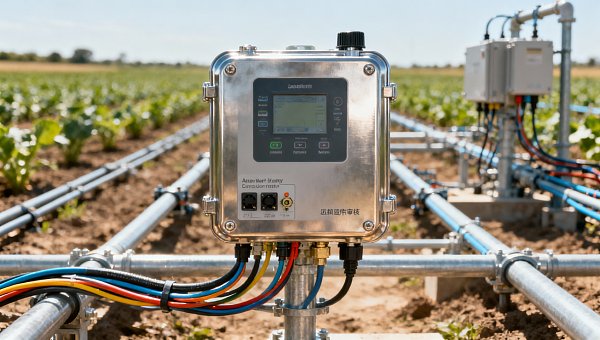
On June 27, 2026, the U.S. Food and Drug Administration (FDA) issued a revision notice for 21 CFR Part 111 that brings agricultural smart irrigation controllers into the scope of electronic records and electronic signatures oversight. The update is especially relevant for exporters of drip and sprinkler irrigation control hubs to the U.S., as well as manufacturers, cloud-connected device suppliers, testing partners, and compliance teams, because it ties market access to remote firmware security review requirements within a defined transition window.
What the FDA update confirms
According to the information provided, the FDA released the 21 CFR Part 111 revision notice on June 27, 2026. The notice places agricultural smart irrigation controllers within the regulatory framework for electronic records and electronic signatures.
The confirmed requirement is that all irrigation terminal devices connected to cloud platforms must pass three security audits conducted by FDA-recognized laboratories: firmware integrity, OTA upgrade encryption, and protection against tampering of remote instructions.
The rule applies to smart central control equipment for drip irrigation and sprinkler irrigation exported to the U.S. A transition period is in place through December 31, 2026.
Where the impact is likely to appear first
Export-facing device manufacturers
From an industry perspective, manufacturers shipping smart irrigation control hubs to the U.S. are the most directly exposed. The impact is likely to appear in product compliance preparation, firmware review workflows, and shipment readiness, because the new requirement is tied to cloud-connected terminal equipment rather than only to hardware form factors.
Cloud platform and remote management teams
Analysis shows that businesses operating connected irrigation platforms should pay close attention to how remote commands, firmware updates, and device-side record handling are structured. The stated audit items focus on firmware integrity, OTA encryption, and anti-tampering for remote instructions, which means the effect is not limited to physical controllers alone.
Testing, certification, and delivery coordination
Observably, laboratories recognized by the FDA, along with supply chain and delivery teams, may become important operational checkpoints. Where products are intended for U.S. export, audit scheduling, technical documentation readiness, and compliance sequencing may affect delivery timing during the transition period.
U.S.-bound buyers and channel partners
For importers, procurement teams, and channel partners handling irrigation systems for the U.S. market, the update may influence supplier screening and order confirmation. What deserves closer attention is whether vendors can demonstrate readiness for the required security audits before the transition deadline.
What companies should watch now
Separate confirmed rules from likely implementation details
Companies should distinguish between the confirmed requirements already stated and the operational details that may still need clarification. The confirmed points are the product scope, the three audit items, the role of FDA-recognized laboratories, and the transition deadline. Internal decisions should be anchored to those facts first.
Review which exported models fall within scope
Businesses supplying drip or sprinkler irrigation smart hub devices to the U.S. should map which models are cloud-connected and therefore likely to fall under the stated audit requirement. This matters for product classification, certification planning, and customer communication.
Prepare firmware and OTA-related documentation early
Analysis shows that practical readiness is likely to depend on whether firms can organize evidence around firmware integrity, OTA upgrade encryption, and protection against remote command tampering. Even before any further clarification, these three areas already define the immediate compliance workload described in the update.
Coordinate customer communication and delivery expectations
With the transition period ending on December 31, 2026, exporters and channel partners should monitor how compliance preparation may affect lead times, order acceptance, and shipment planning. This is less a general management issue than a direct response to the audit and timing requirements stated in the notice.
Why this reads as more than a one-off notice
Observably, this update can be read as a concrete compliance change in the short term because it sets a defined scope, named audit areas, and a transition deadline. At the same time, it is also a longer-term signal that connected agricultural control devices may be assessed not only as equipment, but also through the security and integrity of their software, updates, and remote command functions.
Analysis shows that the industry should avoid overstating the final market effect at this stage. The confirmed information establishes regulatory direction, but the full business impact will still depend on how companies interpret scope, prepare audit materials, and align export timelines within the transition period.
How to understand the current stage
At this point, it is more appropriate to understand the FDA notice as an actionable regulatory development rather than a distant policy signal. The requirements are specific enough to affect product review and export preparation now, but the broader commercial consequences still need continued observation. For industry participants, the immediate issue is not abstract policy discussion, but whether affected smart irrigation controllers can meet the stated remote firmware security audit expectations before the end of 2026.
Basis of this article and what still needs verification
This article is based on the user-provided news title, event date, and event summary. For developments of this type, commonly relevant source categories may include official regulatory notices, company disclosures, industry association updates, authoritative media coverage, and standards-related documents.
No specific official source link was provided in the input, so the exact official document path still requires ongoing verification. What deserves closer attention next is whether subsequent official wording, implementation guidance, or related compliance interpretations further clarify scope, audit procedures, or document expectations for affected exporters and suppliers.

The Archive Newsletter
Critical industrial intelligence delivered every Tuesday. Peer-reviewed summaries of the week's most impactful logistics and market shifts.