Monday, May 22, 2024

FDA Tightens Traceability Rules for Medical Device PCBAs
by
Published
Views:
On August 6, 2026, the U.S. Food and Drug Administration (FDA) issued a revision notice for 21 CFR Part 820.69 that introduces a new traceability requirement for PCB and PCBA used in active medical devices entering the U.S. market. With the rule set to take effect on January 1, 2027, the update is drawing attention from PCB/PCBA exporters, medical device supply-chain managers, SMT production teams, and compliance documentation personnel, because it links market access more directly to identification, batch records, and verifiable documentation continuity.
What the FDA Revision Requires
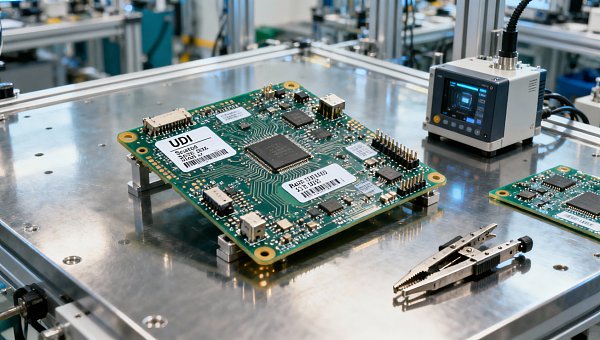
According to the information provided, the FDA released the revision notice on August 6, 2026. The notice requires that, starting January 1, 2027, all PCB and PCBA used in active medical devices entering the U.S. market must carry a Unique Device Identification device identifier (UDI-DI) and real-time batch-level blockchain recordkeeping.
The scope described in the input includes active medical devices such as ADAS sensor modules, smart irrigation controllers, and wastewater treatment monitoring terminals. The same input states that the requirement directly affects the compliance path for Chinese PCB/PCBA manufacturers exporting to the United States and calls for corresponding upgrades to SMT precision metrology traceability systems and the IPC-A-610H Class 3 documentation chain.
Where the Pressure Will Be Felt First
Export-facing PCB and PCBA manufacturers
From an industry perspective, the most immediate impact is likely to fall on manufacturers shipping boards and assemblies into U.S.-bound medical device programs. The reason is straightforward: the new requirement is tied not only to the product itself, but also to how identity and batch information are recorded and retained. What deserves closer attention is whether existing export compliance processes already connect UDI-DI management with batch-level records in a way that can support customer and regulatory expectations.
SMT and traceability operations
Analysis shows that SMT production and metrology functions may face practical adjustments, because the input specifically points to the need to upgrade SMT precision measurement traceability systems. The likely impact is less about a single labeling step and more about record integrity across production, inspection, and batch control. For operations teams, the key issue is whether current traceability systems can support real-time batch-level evidence rather than static, after-the-fact documentation.
Documentation and quality compliance teams
The reference to the IPC-A-610H Class 3 documentation chain suggests that quality and documentation teams will also be directly involved. Observably, the issue is not only technical compliance on the shop floor, but also whether document chains remain complete and aligned across inspection criteria, batch records, and customer-facing compliance files. That may affect document preparation, audit readiness, and communication with downstream device manufacturers.
Device makers and procurement counterparts
For manufacturers and procurement teams sourcing PCB/PCBA for active medical devices, the update may alter supplier review priorities. The impact may appear in supplier onboarding, document requests, batch traceability verification, and delivery planning. What deserves closer attention is whether existing suppliers can provide the required identification and record structure within the new compliance timetable.
What Companies Should Be Checking Now
Whether product scope and customer scope are clearly mapped
Analysis shows that companies should first identify which shipments, customers, and device programs fall within the active medical device scope described in the input. This matters because the compliance burden will not be evenly distributed across all PCB/PCBA business lines, and export-focused teams need clarity on which orders may be affected first.
Whether UDI-DI handling is connected to batch records
What deserves closer attention is the operational link between UDI-DI and batch-level records. If these two elements are managed in separate systems or separate document flows, implementation risk may emerge at the handoff points. The practical issue is not the presence of identifiers alone, but whether the identifier and the batch evidence can be matched consistently.
Whether SMT traceability upgrades are technical or procedural
Observably, the input points to upgrades in SMT precision metrology traceability systems, but companies should distinguish between system capability and process discipline. In practice, this means reviewing whether the current setup can capture, retain, and present the required traceability information in real time, and whether internal procedures match that system design.
Whether customer communication and documentation lead times need revision
From an industry perspective, compliance preparation is also a delivery and communication issue. Exporters and device suppliers may need to review documentation timing, customer qualification materials, and pre-shipment record readiness. The core concern is whether compliance evidence can be delivered within commercial timelines, not only whether it exists internally.
Why This Looks Like More Than a Short-Term Adjustment
Analysis shows that this development is better understood as a compliance signal with operational implications rather than as a routine documentation update. The reason is that the requirement, as described in the input, combines device identification, batch-level blockchain recordkeeping, and supporting manufacturing documentation. That combination points to traceability becoming a more integrated condition of market access for relevant products.
At the same time, it is more appropriate to understand this as an active area for continued observation rather than a fully settled industry outcome. The confirmed facts establish the new requirement and effective date, but the wider commercial and implementation effects will depend on how companies interpret product scope, customer expectations, and documentation execution in practice.
How the Industry May Need to Frame It
Based on the information provided, the FDA revision should be read as a concrete compliance change with immediate preparation value for affected exporters and supply-chain participants. It does not justify broad conclusions beyond the stated scope, but it does indicate that PCB/PCBA traceability for active medical devices entering the U.S. market is becoming more tightly tied to identifiable, batch-level, and document-linked records.
For now, the most rational interpretation is that this is both a near-term operational requirement and a longer-term signal about the direction of medical device supply-chain compliance. Companies do not need speculation to act on that point; they need scope clarity, traceability readiness, and documentation discipline.
Basis of This Report and What Still Needs Verification
This article is based on the user-provided news title, event date, and event summary. The analysis above is limited to that provided information and does not rely on any additional unverified data, company statements, market figures, or external links.
For this type of development, commonly relevant source categories may include official regulatory notices, company disclosures, industry association updates, authoritative media reporting, and standards-related documents. However, a specific official source link was not provided in the input, so the exact source document path still needs ongoing verification. Continued attention should focus on subsequent official wording, practical implementation expectations, affected product interpretation, and documentation requirements linked to UDI-DI, batch blockchain records, SMT traceability, and the IPC-A-610H Class 3 documentation chain.

The Archive Newsletter
Critical industrial intelligence delivered every Tuesday. Peer-reviewed summaries of the week's most impactful logistics and market shifts.