Monday, May 22, 2024

Diaperbagsbackpack: What to Check Before You Buy
by
Published
Views:
Choosing the right diaperbagsbackpack can make daily outings smoother, more organized, and far less stressful for parents. Before you buy, it is important to look beyond style and focus on comfort, storage layout, material durability, and easy-clean features. This guide will help you understand what really matters so you can pick a diaper backpack that fits your routine, your budget, and your family’s changing needs.
For end consumers, a diaperbagsbackpack is no longer just a parenting accessory. It is a daily-use carry system that must perform across commuting, shopping, daycare drop-offs, travel, and outdoor use. In practical buying terms, that means evaluating construction quality, access design, hygiene management, and long-term usability instead of choosing on appearance alone.
From a broader product evaluation perspective, smart buyers benefit from the same decision logic used in technical procurement: compare materials, inspect load-bearing comfort, review failure points, and check whether the product fits real operating conditions. A well-chosen diaperbagsbackpack should remain functional for 12–36 months, support daily loads of 5–10 kg, and reduce the time spent searching for essentials during urgent moments.
What a Good Diaperbagsbackpack Should Deliver in Everyday Use
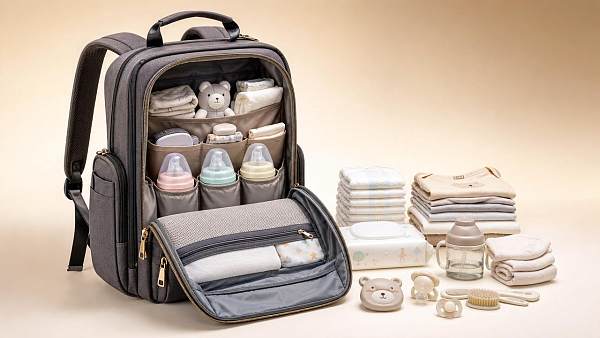
A useful diaperbagsbackpack needs to solve four core problems at once: carrying comfort, organized storage, hygiene control, and fast access. If one of these areas fails, daily convenience drops quickly. Parents often notice this within the first 2–3 weeks of use, especially when packing for longer trips or managing multiple children.
In product terms, the best designs balance capacity with structure. Too little space creates clutter, while oversized bags can become unstable and heavy. For most families, a practical range is 18–26 liters, which usually fits 4–6 diapers, 1–2 bottles, wipes, extra clothing, snacks, and compact personal items without becoming bulky.
Core Functions Parents Use Most Often
The real value of a diaperbagsbackpack appears in repeated use cases. Think beyond product photos and imagine actual routines: reaching a bottle with one hand, separating wet clothes from clean ones, or opening the bag in a narrow car seat space. These tasks reveal whether the layout is efficient or frustrating.
- Wide-opening main compartment for quick visibility
- At least 8–12 separate pockets for organized sorting
- Insulated bottle pockets that fit standard baby bottles
- Water-resistant lining for spills and milk leaks
- Stroller straps or attachment loops for hands-free transport
Why Comfort Matters More Than Style
A stylish diaperbagsbackpack can still be a poor purchase if the shoulder straps dig in after 20 minutes. Since loaded bags commonly weigh 6–9 kg, padded straps, breathable back panels, and balanced weight distribution matter more than trend-led details. Comfort directly affects whether the bag remains usable during long walks, airport transfers, or public transit use.
The table below shows how core buying factors translate into daily performance. This helps consumers compare products using clear functional criteria rather than relying only on marketing claims.
The most important takeaway is that product usefulness comes from system balance. A diaperbagsbackpack with high capacity but poor access can be less practical than a smaller model with a well-engineered layout. Buyers should evaluate how each feature works together under real load, not as isolated selling points.
How to Evaluate Materials, Construction, and Durability
Durability is one of the most overlooked purchase criteria. A diaperbagsbackpack may look sturdy online, but weak zippers, thin stitching, or poorly coated fabric often fail within 3–9 months of frequent use. For consumers, construction quality is the difference between a one-season purchase and a reliable daily item.
A practical inspection method is to review five build points: outer fabric, inner lining, zipper quality, seam reinforcement, and strap attachment zones. These are the highest-stress areas because they absorb repeated opening cycles, shifting loads, stroller hanging tension, and accidental floor contact.
Best Materials for a Diaperbagsbackpack
Most diaper backpack models use polyester, nylon, canvas blends, or PU-coated fabrics. For everyday parenting use, water-resistant polyester and nylon are usually the most practical because they balance weight, abrasion resistance, and cleaning ease. Heavy canvas may look premium, but it can absorb moisture and take longer to dry after spills.
Construction Signs That Indicate Better Longevity
- Double stitching at handle and shoulder strap anchors
- Metal or heavy-duty molded zipper pulls instead of thin decorative hardware
- Inner lining with wipe-clean coating rather than raw fabric backing
- Base panel with added thickness to resist sagging
- Leak-resistant bottle area separated from dry storage compartments
The table below compares common material choices in the diaperbagsbackpack market so buyers can match performance with household priorities such as cleaning, weather exposure, and weight management.
For most households, the best balance is usually a mid-weight polyester or nylon diaperbagsbackpack with reinforced seams and a coated interior. That combination supports frequent use, faster cleaning, and lower maintenance effort over a 1–3 year ownership window.
Storage Layout: The Difference Between Organized and Chaotic
Storage design is where many buyers make expensive mistakes. A diaperbagsbackpack may advertise 10 or more pockets, yet still be poorly organized if the compartments are too shallow, too narrow, or badly positioned. Layout quality matters more than pocket count alone.
A good storage plan separates items by frequency, cleanliness, and urgency. High-use items should be reachable in under 5 seconds, while backup clothing, creams, or medicine can sit in deeper zones. This simple logic reduces stress during diaper changes, feeding breaks, or unexpected messes.
The Ideal Pocket Structure
For one baby, many families do well with 8–12 pockets. For twins or longer outings, 12–16 compartments may be more useful. However, each compartment should have a purpose. Too many tiny pockets can waste space and make packing inconsistent.
- Main compartment for diapers, clothes, and larger supplies
- Front quick-access zone for wipes, bibs, or creams
- Insulated section for 2–3 bottles
- Waterproof or wet compartment for soiled items
- Secure pocket for phone, wallet, keys, or documents
Access Features Worth Paying Extra For
Rear zipper access, wide dual-zip openings, and standing structure are often worth a moderate price increase because they improve operational speed. If a bag collapses when opened, parents lose visibility and spend more time searching. In real use, even 10–20 seconds saved per access event adds up across several outings each week.
Another useful feature is external tissue or wipes access. This seems minor during online browsing, but it becomes valuable during travel, restaurant stops, or car-based changes when speed matters more than full bag opening.
Cleaning, Hygiene, and Maintenance Checks Before Purchase
A diaperbagsbackpack is exposed to milk drips, snack crumbs, damp wipes, floor contact, and weather conditions. If cleaning takes too long, hygiene standards quickly slip. Easy maintenance is not a bonus feature; it is a core buying requirement for households using the bag 4–7 days per week.
Before buying, check whether the lining can be wiped in under 2 minutes, whether seams trap debris, and whether light spills bead on the surface instead of soaking in. Also check care instructions. Some premium-looking bags are difficult to clean and lose shape after hand washing.
Hygiene Features That Improve Real Usability
- Anticipated wipe-clean inner coating for routine spills
- Dedicated wet compartment for used bibs or clothing
- Light-colored interior for easy visibility of crumbs or residue
- Removable changing pad for separate cleaning
- Smooth zipper paths that do not trap food particles easily
How Often Should a Diaper Backpack Be Cleaned?
For most families, light cleaning 1–2 times per week and a deeper empty-and-wipe routine every 2–4 weeks is a reasonable maintenance cycle. If the bag is used for daycare and weekend travel, the cleaning frequency may need to increase. A diaperbagsbackpack that supports fast maintenance usually stays in better condition over time.
Budget, Value, and Common Buying Mistakes
Price alone does not determine value. A low-cost diaperbagsbackpack may require replacement within months, while an overly expensive model may add decorative features that do not improve function. Buyers should compare total use value across at least 12 months, not just the shelf price.
A practical value framework includes five questions: How long will it last? How easy is it to clean? Can it adapt as the baby grows? Does it work for short and long outings? Will both caregivers comfortably use it? These factors often matter more than brand image.
Typical Buying Errors to Avoid
One common mistake is choosing based only on appearance. Another is buying a bag with too little internal structure, which leads to clutter and overpacking. Some parents also overlook strap comfort, only to discover discomfort after carrying the diaperbagsbackpack for 30–45 minutes outside the home.
- Ignoring empty bag weight before loading it
- Choosing narrow openings that limit visibility
- Skipping wipe-clean and waterproof checks
- Overvaluing bottle pockets while ignoring main compartment access
- Buying oversized models for short daily routines
Who Should Prioritize Premium Features?
Parents who travel frequently, rely on public transport, manage twins, or need all-day carrying capacity should prioritize higher-grade materials, better ergonomic padding, and stronger compartment separation. In contrast, families using the bag mainly for short local trips may not need advanced travel-focused features.
A Simple Pre-Buy Checklist for the Right Diaperbagsbackpack
If you want a faster way to choose, use a 6-point evaluation checklist before purchase. This approach keeps the decision grounded in performance, household needs, and long-term convenience rather than impulse buying.
Six Checks to Make Before You Buy
- Check total capacity and whether 18–26 L fits your routine
- Inspect strap padding, back support, and empty bag weight
- Review pocket logic for diapers, bottles, wipes, and wet items
- Confirm water resistance and easy-clean interior surfaces
- Look for reinforced stitching at handles and strap anchors
- Assess whether both caregivers can use it comfortably
A dependable diaperbagsbackpack should make family movement easier, not more complicated. The best choice is usually the one that matches your daily load, fits your storage habits, cleans quickly, and stays comfortable after repeated use. When you evaluate comfort, structure, material quality, and maintenance together, you are far more likely to choose a bag that performs well beyond the first few weeks.
If you are comparing options and want a more structured way to assess product value, material logic, and functional trade-offs, GIM’s cross-sector evaluation approach can help you think more clearly about everyday product decisions. Contact us today to explore product-detail guidance, compare practical solutions, and get more insights before choosing your next diaperbagsbackpack.

The Archive Newsletter
Critical industrial intelligence delivered every Tuesday. Peer-reviewed summaries of the week's most impactful logistics and market shifts.