Monday, May 22, 2024

Redwall Green Admixtures Draw Southeast Asia Buyers
by
Published
Views:
Image Placement Plan
One image placeholder is arranged near the top of the article to support visual coverage of the exhibition setting, green concrete admixture applications, or compliance-oriented building materials procurement.
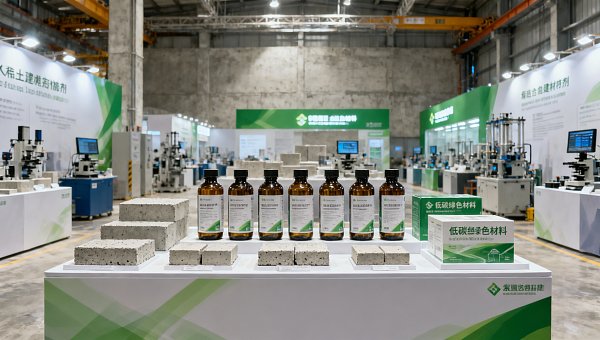
On May 27, 2026, Redwall Co. presented concrete admixtures and an integrated upstream-downstream solution at the Vietnam International Cement and Concrete Exhibition in Ho Chi Minh City, drawing attention from the construction materials, real estate, and infrastructure sectors because Vietnam's newly effective green building materials import certification guidance has raised compliance expectations for environmentally aligned water-reducing admixtures and ISO 19723 conformity.
What Was Confirmed at the Ho Chi Minh City Exhibition
The event took place on May 27-28, 2026, at the Vietnam International Cement and Concrete Exhibition in Ho Chi Minh City.
Redwall Co. showcased concrete admixture products and an integrated solution covering related upstream and downstream capabilities. The presentation addressed demand from real estate and infrastructure project owners in Vietnam and Southeast Asia for low-carbon building materials and localized supply capability.
According to the provided event summary, the company's technical solution is aligned with Vietnam's newly issued Green Building Materials Import Certification Guidance, which became effective in April 2026. The guidance includes environmental requirements for water-reducing admixtures and conformity expectations related to ISO 19723.
The same summary states that several local general contractors have initiated inquiries and sample testing procedures following the exhibition engagement.
How the New Compliance Focus May Affect Market Participants
Import and export trading companies
From an industry perspective, direct trading companies are likely to feel the impact first because import certification requirements can affect quotation preparation, customs-facing documentation, product classification, and customer due diligence. For water-reducing admixtures, traders may need to pay closer attention to environmental indicators, ISO 19723-related documentation, and whether product information can support buyer-side certification review.
The influence may be most visible in pre-sale communication, technical file exchange, sample submission, and commercial contract clauses. What deserves closer attention is whether buyers begin to treat green material certification evidence as a prerequisite for supplier shortlisting or technical bid acceptance.
Raw material procurement companies
Analysis shows that procurement teams serving admixture producers may face more detailed upstream verification needs. If downstream customers require evidence of environmental performance, procurement companies may need to review the traceability, consistency, and supplier qualification status of raw materials used in water-reducing admixture formulations.
The affected business links may include supplier screening, incoming material inspection, batch record management, and technical data collection. Procurement teams should monitor whether buyers request additional documentation connected to environmental indicators or ISO 19723 conformity support.
Processing and manufacturing enterprises
For manufacturers, the event highlights the growing importance of aligning product formulation, testing records, and technical documentation with green building materials import expectations. Observably, the exhibition response suggests that project-side buyers are not only comparing product performance but also checking whether suppliers can support certification and sample testing procedures.
Manufacturing enterprises may need to focus on product stability, laboratory test readiness, environmental attribute documentation, quality traceability, and batch consistency. The business impact may appear in research and development validation, production control, technical tender coordination, and post-sample evaluation follow-up.
Supply chain service providers
Supply chain service providers, including logistics coordinators, documentation service firms, and quality support partners, may be affected because green import certification can increase the need for accurate product files, testing coordination, and delivery schedule control. It is more appropriate to understand this as a compliance-driven service requirement rather than only a transportation issue.
Key operational links may include shipment document preparation, sample delivery arrangements, certification file organization, and communication between exporters, importers, contractors, and testing parties. Service providers should watch for changes in tender documentation, certification review practices, and buyer-side quality traceability requirements.
Practical Priorities for Companies Following This Development
Check certification readiness before commercial negotiation
Companies supplying concrete admixtures to Vietnam-related projects should review whether their product files can support the Green Building Materials Import Certification Guidance that became effective in April 2026. This includes environmental information for water-reducing admixtures and materials relevant to ISO 19723 conformity. The review should be completed before pricing, sampling, or technical tender submission whenever possible.
Align sample testing with buyer specifications
Because the event summary states that inquiries and sample testing procedures have already been triggered, suppliers should avoid treating samples as a simple sales tool. Samples should be matched with technical descriptions, batch records, intended application conditions, and test documentation so that contractors can evaluate both performance and compliance relevance.
Prepare localized supply explanations
The exhibition engagement directly addressed demand for localized supply capability. Companies should therefore prepare clear explanations of delivery coordination, inventory planning, after-sales technical support, and quality traceability for Vietnam and broader Southeast Asian project needs. These points may become important when project owners evaluate supplier reliability alongside low-carbon material requirements.
Review tender and specification language early
Technical bid alignment may become more demanding if contractors incorporate green material certification language into procurement documents. Suppliers should monitor whether future tender files refer to environmental indicators, ISO 19723, import certification evidence, sample testing procedures, or supplier qualification requirements. Early review can reduce the risk of late-stage document gaps.
Industry Observation: Compliance Is Moving Closer to Procurement
Analysis shows that this event is best understood as a signal that certification and procurement decisions are becoming more closely linked in the concrete admixture market. The confirmed facts do not prove a broad market shift by themselves, but they do show that low-carbon building materials, import certification, and technical conformity are already part of buyer discussions at a major regional industry exhibition.
From an industry perspective, the practical threshold for suppliers may rise when project owners and general contractors require both product performance and compliance evidence. This may increase preparation time for technical documents, sample testing, and supplier qualification review, especially for companies that previously relied mainly on price or general product performance claims.
What deserves closer attention is the role of ISO 19723-related conformity in future procurement communication. If buyers continue to connect environmental indicators with tender participation or import certification review, manufacturers may need to strengthen internal testing systems, technical documentation, and cross-border compliance coordination.
Measured Outlook
Redwall Co.'s exhibition participation illustrates how green building materials rules can influence commercial engagement in the cement and concrete supply chain. The confirmed inquiries and sample testing procedures indicate buyer interest, but they should not be interpreted as guaranteed orders or final procurement results.
A reasonable conclusion is that suppliers of concrete admixtures serving Vietnam and Southeast Asia should treat certification readiness, environmental documentation, localized supply capability, and technical bid alignment as increasingly important competitive factors. The actual market impact will depend on how certification guidance is implemented and how contractors incorporate these requirements into procurement practice.
Information Basis and Items to Monitor
This article is generated based on the user-provided news title, event date, and event summary. Specific official source links were not provided in the input and should be verified continuously.
For continued tracking, companies should monitor policy implementation details, certification review practices, tender document changes, sample testing requirements, contractor feedback, and industry responses related to green building materials imports, water-reducing admixtures, and ISO 19723 conformity.
The Archive Newsletter
Critical industrial intelligence delivered every Tuesday. Peer-reviewed summaries of the week's most impactful logistics and market shifts.