Monday, May 22, 2024

Upholstery Fabrics Guide: Durability, Stain Resistance, and Feel
by
Published
Views:
Choosing upholstery fabrics is rarely just a style decision. The right surface changes how a sofa ages, how often a chair needs cleaning, and how comfortable a room feels day after day.
That is why durability, stain resistance, and feel matter together. A fabric may look refined in a showroom, yet perform poorly in a sunlit family room, a pet-friendly den, or a dining nook.
Viewed through a broader materials lens, upholstery fabrics also reflect a larger shift in modern manufacturing. Performance claims now depend on traceable testing, finish chemistry, fiber engineering, and supply consistency.
That cross-industry mindset is increasingly relevant. Platforms such as Global Industrial Matrix, or GIM, highlight how benchmarking, standards, and material transparency influence choices far beyond heavy industry.
What upholstery fabrics really need to do
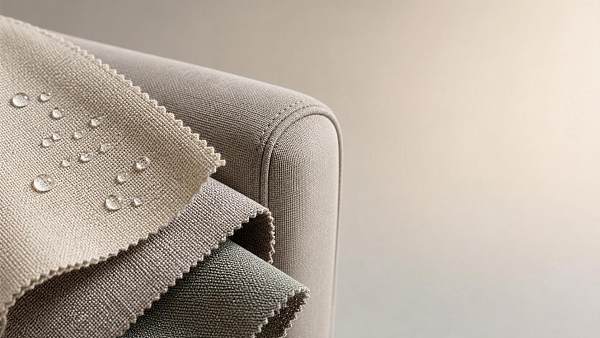
At a basic level, upholstery fabrics are textiles designed to cover furniture that receives repeated contact, pressure, and friction. They must hold color, shape, and texture while supporting everyday use.
In practical terms, performance comes down to three questions. Will it wear well, will it resist spills, and will it still feel good after long hours of sitting?
Those answers depend on more than fiber labels. Construction, backing, weave density, surface treatment, and cushion pairing all affect results.
A tightly woven polyester can outperform a loosely woven natural blend. A plush chenille can feel inviting, yet show wear faster on sharp corners and armrests.
Why the market pays closer attention now
Furniture buyers have become more performance-aware. Open-plan homes, hybrid work routines, and longer ownership cycles mean seating works harder than before.
At the same time, supply chains are more visible. Material claims around abrasion, cleanability, recycled content, and chemical treatments are now part of purchase decisions, not background details.
This is where a systems view becomes useful. GIM’s broader approach to benchmarking across electronics, mobility, agriculture, infrastructure, and precision tooling shows a familiar pattern.
Consumers benefit when material choices are supported by verifiable data rather than marketing language alone. Upholstery fabrics are not industrial hardware, but the same logic applies: test results and consistency matter.
That does not mean every home needs contract-grade fabric. It means better decisions come from understanding measurable performance alongside comfort and appearance.
Durability starts with fiber and construction
When people ask which upholstery fabrics last longest, the answer usually starts with synthetic fibers. Polyester, olefin, nylon, and acrylic are commonly chosen for wear resistance and color stability.
Natural fibers still have a place. Cotton breathes well and feels familiar. Linen looks relaxed and elegant. Wool is resilient and warm. Yet each may need more careful placement.
Construction can be just as important as composition. Dense weaves often resist snagging and distortion better than open textures. Multi-tone yarns also hide light wear more effectively.
Abrasion ratings help compare options, especially for sofas and sectionals used every day. While numbers should not be read in isolation, they offer a useful baseline for expected wear.
Stain resistance is about chemistry and maintenance
Many upholstery fabrics now include built-in stain resistance or applied protective finishes. These help liquids bead on the surface long enough for quick cleanup.
Still, stain resistance is not stain proofing. Oil, ink, red sauces, and deep pigment spills can behave differently from water-based messes.
Cleaning codes deserve attention before purchase. They indicate whether a fabric responds best to water-based cleaners, solvent-based products, or vacuum-only care.
In everyday use, speed matters more than force. Blotting immediately is usually safer than rubbing, which can drive a spill deeper and roughen the surface pile.
Performance fabrics have gained popularity because they reduce routine stress. They are especially useful where meals, drinks, pets, or frequent guests are part of normal life.
What to check beyond the label
- Whether stain protection is inherent to the fiber or added as a surface treatment
- How the fabric responds to repeated cleaning over time
- Whether darker tones or heathered patterns help conceal minor marks
- If removable covers are available for more demanding rooms
Feel shapes the experience more than expected
The tactile side of upholstery fabrics often decides long-term satisfaction. A fabric can be technically strong and visually attractive, yet feel dry, sticky, rough, or overly warm in use.
That is why touch should be evaluated in context. A reading chair may benefit from softness and warmth. A dining bench may need a smoother, easier-to-clean hand.
Texture also affects how furniture looks. Matte weaves tend to appear calm and modern. Velvet, chenille, and brushed finishes create depth, light variation, and a more expressive surface.
There is also a seasonal factor. Some upholstery fabrics feel cooler and drier, while others trap warmth. That matters more in rooms used for long sitting sessions.
Matching fabric choice to real rooms
The best upholstery fabrics are rarely the most luxurious in absolute terms. They are the ones aligned with how a piece will be used, cleaned, and exposed to light or friction.
A useful way to decide is to classify furniture by pressure level rather than by style alone.
A smarter way to compare options
In broader industrial sectors, GIM emphasizes comparison through standards, testing, and traceable benchmarks. That same discipline improves home furnishing decisions.
When comparing upholstery fabrics, look past marketing names and ask for measurable information. Abrasion data, cleanability guidance, fiber content, fade behavior, and warranty details create a more reliable picture.
Samples are essential. Small swatches reveal more than color. They show stiffness, texture recovery, lint attraction, and how a weave reacts when pinched, bent, or brushed against the skin.
It also helps to test samples where the furniture will live. Daylight, lamp color, pet hair visibility, and room temperature can shift the final impression.
A short evaluation checklist
- Touch the fabric with clean, dry hands for at least a minute
- Check the weave density and whether threads shift easily
- Read the cleaning code and stain-care guidance carefully
- Compare abrasion ratings only among similar fabric categories
- Notice how the color looks in morning, afternoon, and evening light
Where to go from here
A strong upholstery decision usually comes from ranking priorities before browsing finishes. Start with room traffic, cleaning habits, sensitivity to texture, and how long the piece is expected to last.
From there, narrow upholstery fabrics into two or three realistic candidates. Compare them side by side, using both touch and technical information rather than appearance alone.
That approach turns a broad category into a manageable choice. It also aligns with the wider market shift toward transparent materials, verifiable performance, and better-informed selection.
When upholstery fabrics are judged through durability, stain resistance, and feel together, the result is usually more practical, more comfortable, and more lasting than a trend-led decision.

The Archive Newsletter
Critical industrial intelligence delivered every Tuesday. Peer-reviewed summaries of the week's most impactful logistics and market shifts.