Monday, May 22, 2024

How Renewable Energy is Powering Next-Gen Mobility
by
Published
Views:
The convergence of renewable energy and next-gen mobility is revolutionizing transportation. As electric vehicles (EVs) surge in adoption, advancements in semiconductors, sensors, and ADAS technologies are enabling smarter, cleaner mobility solutions. This article explores how cutting-edge electronics, injection molding innovations, and sustainable energy integration are powering the future of automotive engineering—delivering performance while meeting industrial ESG benchmarks. Discover the technical and procurement insights shaping this transformative shift for decision-makers across the mobility ecosystem.
The Renewable Energy Revolution in Automotive Engineering
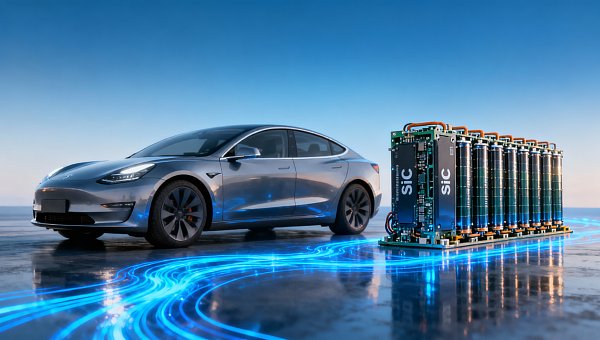
Modern EV powertrains require a 40-60% reduction in energy consumption compared to internal combustion engines, driving demand for high-efficiency power electronics. Silicon carbide (SiC) semiconductors now enable 15-20% higher energy conversion efficiency in EV inverters, while advanced battery management systems (BMS) optimize lithium-ion performance across 3,000+ charge cycles. These innovations directly address procurement officers' concerns about total cost of ownership (TCO) and fleet managers' need for 8-12 year vehicle lifespans.
Three critical renewable energy integration challenges face mobility engineers:
- Voltage stabilization for 800V architectures (requiring ±2% tolerance across -40°C to 125°C operating ranges)
- Battery-to-grid (B2G) compatibility with 50-60Hz grid frequencies worldwide
- Lightweighting solutions that maintain ISO 26262 functional safety standards
Key Technical Specifications for Next-Gen Mobility Components
When evaluating renewable energy systems for mobility applications, procurement teams should verify these critical parameters against IATF 16949 and ISO 19453 standards:
GIM's technical benchmarking reveals that top-performing suppliers achieve 15-30% better thermal management in battery packs through advanced cooling plate designs, directly impacting vehicle range and fast-charging capabilities.
Procurement Strategies for Sustainable Mobility Solutions
Industrial buyers must balance three competing priorities when sourcing renewable energy components:
- Technical Compliance: Verify ASIL-D safety ratings for autonomous vehicle systems
- Supply Chain Resilience: Map Tier-2 supplier networks for rare earth materials
- ESG Alignment: Ensure conflict-free mineral sourcing per OECD Due Diligence Guidelines
Our cross-industry data shows that strategic partnerships with vertically integrated suppliers reduce lead times by 4-6 weeks while maintaining IPC Class 3 reliability standards for automotive electronics.
Total Cost Analysis Framework
Financial decision-makers should evaluate these five cost dimensions over a 10-year operational horizon:
Strategic Implementation Roadmap
For project managers transitioning fleets to renewable energy systems, GIM recommends this phased approach:
Phase 1: Technology Assessment (3-6 months)
- Benchmark current energy consumption against SAE J2908 standards
- Validate charging infrastructure compatibility with CCS/CHAdeMO protocols
Phase 2: Pilot Deployment (6-12 months)
- Test 5-10 vehicles under real-world operating conditions
- Monitor battery degradation rates against IEC 62660-1 projections
Why Partner with GIM for Your Mobility Transition
Our cross-industry intelligence platform delivers actionable insights for every stakeholder:
- Engineers: Access to 150+ technical benchmarks for EV components
- Procurement: Supplier risk assessments covering 85% of global battery supply chain
- Executives: ESG impact modeling aligned with GRI 12 reporting standards
Contact our mobility specialists to receive a customized assessment of your renewable energy integration strategy, including component specifications, total cost projections, and phased implementation plans tailored to your operational requirements.
The Archive Newsletter
Critical industrial intelligence delivered every Tuesday. Peer-reviewed summaries of the week's most impactful logistics and market shifts.