Monday, May 22, 2024

Measuring Tape Accuracy: Common Errors That Ruin On-Site Layout
by
Published
Views:
Measuring Tape Accuracy: Common Errors That Ruin On-Site Layout
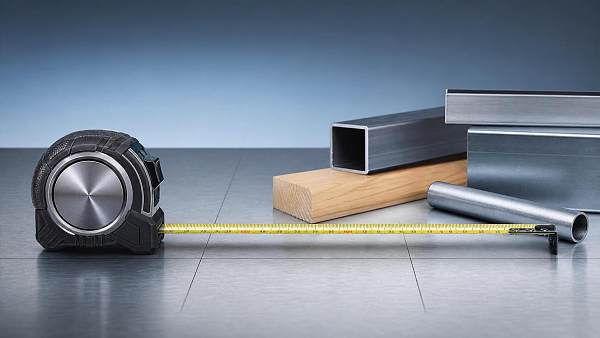
A measuringtape is one of the most trusted tools on any jobsite. Still, small mistakes can quickly turn a clean layout into costly rework.
That is why measuringtape accuracy matters more than many crews expect. A few millimeters off at the start can become a serious alignment issue later.
On concrete, steel, wood, piping, and equipment bases, the same pattern appears. The tool is simple, but the process is not always simple.
From a technical benchmarking perspective, layout errors often come from repeatable habits. The good news is that most of them are preventable.
This guide breaks down the most common measuringtape errors, why they happen, and how to correct them before they affect fit, finish, and compliance.
Why measuringtape errors become expensive so fast
A layout mistake rarely stays isolated. One wrong reference point can shift anchors, frames, panels, and cut lengths across the whole work area.
In practical operations, the first damage is usually time. Teams pause, recheck dimensions, and adjust installed parts that should have fit the first time.
The second damage is material waste. Mis-cuts, drilled holes, and misplaced fasteners often mean parts cannot be reused without compromising quality.
The third risk is technical credibility. When measuringtape practice is inconsistent, tolerance control becomes harder, especially on high-spec industrial projects.
That also affects downstream inspection. Even if the final correction works, the project loses efficiency, traceability, and confidence in field execution.
The most common measuringtape mistakes on site
Most measuringtape problems are not dramatic. They are subtle, repeatable, and easy to miss during a busy installation schedule.
1. Misreading the scale
This is still the most common issue. Operators confuse fractional marks, skip small graduations, or read from the wrong side of the blade.
Dual-scale measuringtape models create extra risk. Metric and imperial units on the same blade can cause fast but costly reading errors.
2. Ignoring hook movement
The end hook is designed to move slightly. That movement compensates for inside and outside measurements, but only when the hook is in good condition.
If the hook is bent, loose, or packed with debris, measuringtape accuracy drops immediately. Many layout errors begin right at that first contact point.
3. Measuring across uneven surfaces
A measuringtape laid over rough concrete, weld seams, insulation, or warped timber does not follow a true reference line.
The reading may look acceptable, but the actual distance is distorted. This becomes more obvious in structural layout and equipment positioning.
4. Letting the blade sag or twist
Long pulls create sag. Twisting the blade changes the visual reading angle and can shorten or lengthen the interpreted dimension.
On longer spans, this measuringtape error is common when one person tries to work too quickly without support or a stable reference edge.
5. Starting from a damaged zero point
A worn hook, bent blade tip, or chipped edge ruins the zero reference. At that point, every reading that follows becomes unreliable.
This is especially risky when repeated dimensions are transferred across multiple parts. Small errors multiply much faster than most teams expect.
6. Marking inaccurately after measuring correctly
Sometimes the measuringtape reading is right, but the mark is not. Thick pencils, rough chalk lines, and rushed scribing create hidden deviation.
This gap between reading and marking is often overlooked. Yet it can ruin cut quality and assembly alignment just as easily as a bad measurement.
How jobsite conditions reduce measuringtape accuracy
Field conditions add pressure to every measuringtape task. Dust, vibration, temperature shifts, low light, and awkward body position all affect consistency.
Low light leads to scale misreading. Glare on the blade can hide fine graduations, especially on reflective surfaces or outdoor work.
Temperature can matter too. In precision layout, material expansion and blade behavior may influence the final reading across longer distances.
Mud, oil, coatings, or concrete dust also change contact quality. A contaminated hook does not seat cleanly, and the measuringtape loses repeatability.
From recent site trends, tighter tolerances are becoming more common. That means environment-driven measuringtape errors are no longer minor issues.
A practical checklist to improve measuringtape results
Better measuringtape accuracy does not always require new technology. In many cases, it starts with a tighter routine and cleaner verification steps.
- Inspect the hook before every layout task. Check for looseness, bending, wear, or packed debris.
- Confirm which unit scale is being used before pulling the measuringtape across the workpiece.
- Keep the blade straight, supported, and level whenever possible, especially on long measurements.
- Measure from the same reference face each time to avoid stacking tolerance drift.
- Use a fine marking tool. A precise reading loses value if the mark itself is too wide.
- Repeat critical dimensions once more before cutting, drilling, or setting anchors.
- Where possible, compare the measuringtape reading with a secondary reference such as a story pole or gauge.
These habits are simple, but they protect layout quality. More importantly, they reduce variation between different operators on the same project.
When to question the measuringtape itself
Not every problem comes from technique. Sometimes the measuringtape itself is no longer suitable for precision work.
Watch for cracked rivets, faded markings, kinked blades, weak lock mechanisms, and damaged hooks. These are direct warnings, not cosmetic issues.
If the blade retracts violently, the hook may deform over time. If the graduations are hard to read, fast work becomes error-prone.
In high-value installations, replacing a questionable measuringtape is cheaper than correcting a layout failure after assembly begins.
Quick field review table
How better measurement practice supports technical standards
Accurate measuringtape work supports more than neat layout. It also supports process control, repeatability, and confidence in downstream inspection.
Across manufacturing, mobility, infrastructure, and precision tooling, dimensional discipline is tied to broader quality systems and documented performance.
That matters in environments influenced by ISO, IATF, and IPC expectations. Even basic hand tools contribute to overall execution quality.
A measuringtape may seem simple, yet it often acts as the first control point in a chain of fabrication, installation, and verification decisions.
Final takeaways for more reliable measuringtape use
Most on-site layout failures do not begin with complex engineering problems. They begin with small, overlooked measuringtape errors repeated under pressure.
The strongest improvement comes from three moves. Read carefully, control the reference point, and verify before committing to the mark.
In daily field work, that discipline saves time, protects material, and keeps layout decisions aligned with the technical intent of the job.
If measuringtape accuracy becomes part of routine site culture, fewer errors reach the installation stage, and quality becomes much easier to maintain.
Start with the next measurement. Check the tool, slow down the read, confirm the mark, and make every layout line easier to trust.

The Archive Newsletter
Critical industrial intelligence delivered every Tuesday. Peer-reviewed summaries of the week's most impactful logistics and market shifts.